
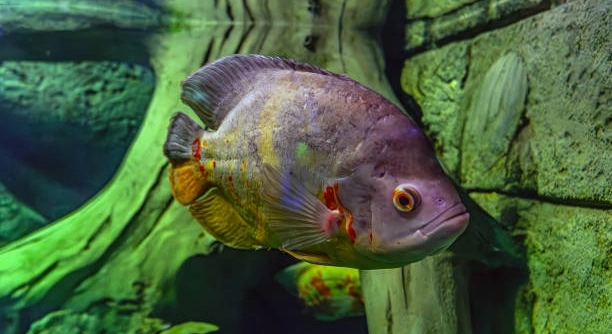
Oscar fish are known for their large appetites and curiosity, often nibbling on various objects in their tanks. However, not all items in their environment are safe to eat. Some might look appealing to them but are harmful.
Oscar fish may mistake certain items for food, such as small pebbles, decorative plants, or even tank equipment. These objects can lead to serious digestive problems, blockages, or injury if ingested. It’s important to keep the tank clear of potential hazards.
Keeping your Oscar fish safe involves careful observation of their tank environment. Avoiding these items can help prevent unwanted health issues and ensure their well-being.
Small Pebbles and Rocks
Small pebbles and rocks in your Oscar fish tank may seem like harmless decor, but they can be a serious risk. Fish, especially Oscar fish, tend to explore their surroundings with their mouths. These little objects can easily be mistaken for food. When ingested, they can cause blockages in the digestive system, leading to discomfort or even fatal conditions.
To ensure your Oscar fish’s safety, it’s best to use larger rocks that are too big to swallow. Decorative items should be placed carefully in a way that doesn’t tempt your fish to investigate with their mouths.
Keeping the tank free of small, easily swallowed objects is key for maintaining the health of your fish. If your Oscar fish seems to be unusually interested in these objects, you may want to consider switching to different types of substrate or larger decorations to keep them engaged without posing a risk.
Aquarium Plants
Many Oscar fish owners use plants to decorate their tanks. However, certain plants, particularly small or delicate ones, can be mistaken for food by these curious fish. Oscars have a reputation for tearing up plants, and while it’s natural for them to nibble, some plants may be toxic to them.
Certain species of plants contain substances that can harm your Oscar fish if consumed. Additionally, ingesting large amounts of plant matter can lead to digestive issues or blockages. Even artificial plants can pose risks if small parts break off and are ingested.
To avoid this, choose sturdy, non-toxic plants and ensure they are well-secured in the tank. If you notice your Oscar fish showing an interest in the plants, try providing alternative food sources or distracting them with other types of enrichment. Healthy plants can still be part of the tank, but they must be safe for your fish.
Tank Equipment
Some tank equipment, such as filters or air stones, may seem like unusual items for an Oscar fish to investigate. However, they can still attract curiosity. Oscars might attempt to nibble or interact with them, which could result in injury or damage to the equipment.
To prevent accidents, ensure that all equipment is secure and placed where the fish can’t easily access or damage it. For example, securing air stones or tubing underneath gravel or behind rocks will help keep them out of your Oscar’s reach.
Keeping your tank equipment safe is essential for preventing unwanted mishaps. If your Oscar shows excessive interest in the equipment, it’s a good idea to monitor their behavior closely and adjust the tank setup as needed to ensure their safety.
Uneaten Fish Food
Uneaten fish food can quickly become a problem in your tank. While it may appear as an easy snack to an Oscar fish, leftover food can contaminate the water and negatively impact its health. This can lead to poor water quality and even algae growth.
To avoid this, remove any uneaten food after a few hours. Offering smaller amounts of food will help ensure your fish eats everything. Overfeeding can create more waste and increase the risk of water quality issues.
Pay close attention to your Oscar’s eating habits. If you notice that food is being left behind often, try adjusting feeding schedules or portions. Keeping the tank clean will also improve your fish’s overall well-being and environment.
Decorative Shells
Decorative shells in an Oscar tank can look appealing, but they are another item that might get mistaken for food. Oscars may try to nibble on them, leading to potential injury or harm. Small shells, in particular, can be ingested and cause blockages.
To avoid this, choose larger, smooth shells that are too big to swallow. Avoid using tiny, sharp-edged shells that could cause harm to the fish. If decorative shells are important for the aesthetic of the tank, ensure they are securely placed and cannot be moved or swallowed by the fish.
Gravel or Substrate
The substrate or gravel used in your Oscar fish tank is another potential risk. While it serves a decorative and functional purpose, Oscar fish can mistake small pebbles for food. Ingesting gravel may lead to painful digestive issues or blockages.
Choosing a larger-sized gravel or substrate helps to reduce the risk of accidental ingestion. Additionally, keeping the tank free from excessively small particles will prevent your Oscar from mistaking it for something edible. Always monitor your fish’s behavior to ensure they are not interacting with the substrate inappropriately.
Plastic Plants
Plastic plants are common tank decorations, but they can pose a threat if your Oscar fish decides to nibble on them. While plastic plants are generally safe, they might break into small parts that could be swallowed.
To minimize risk, inspect plastic plants for sharp edges or small pieces that could detach and be ingested. Choose high-quality, durable plastic plants that are less likely to break or degrade over time. Regularly check the plants to make sure they remain intact and do not pose a hazard to your Oscar fish.
FAQ
Can Oscar fish eat live plants?
Oscar fish can eat live plants, but it is not recommended. These fish are known for their aggressive behavior and strong appetites. They may nibble on or tear up live plants, which can damage the plant and cause harm to the fish. Some plants are also toxic to fish, so it’s important to choose non-toxic species if you want to include them in the tank. If you notice your Oscar fish constantly eating or damaging plants, it may be a good idea to remove them and focus on sturdier decorations.
Are certain foods harmful to Oscar fish?
Yes, certain foods can be harmful to Oscar fish. For instance, high-fat or processed foods can cause obesity or digestive issues. It’s also best to avoid feeding them live foods that might carry diseases, such as insects or fish that have not been quarantined. Stick to high-quality pellets or frozen foods that are specifically designed for carnivorous fish. Avoid feeding them foods meant for humans, as they often contain salt, sugar, or artificial preservatives, which can be harmful.
Can Oscar fish eat goldfish?
While Oscars may attempt to eat goldfish, it is not advisable. Goldfish can carry diseases or parasites that can affect your Oscar’s health. Additionally, feeding your Oscar live goldfish regularly can lead to nutritional imbalances. It’s better to feed them food designed for carnivorous fish, such as pellets, shrimp, or other appropriately-sized fish. If you want to add variety, you can offer live food occasionally but avoid goldfish as a staple diet.
Do Oscar fish need a lot of space?
Yes, Oscar fish require a lot of space to thrive. They are large, active fish and need an aquarium of at least 75 gallons to be comfortable. Smaller tanks will lead to stress and health issues. In a cramped environment, they may become territorial or aggressive, even with tankmates. A larger tank will allow your Oscar to swim freely, reducing stress and promoting better health. If you plan to keep multiple Oscars, consider going even larger, as they need ample space to establish territories.
How do I know if my Oscar fish is sick?
If your Oscar fish is sick, you may notice signs such as lethargy, loss of appetite, changes in color, clamped fins, or abnormal swimming patterns. A sick Oscar may also show signs of injury or infection, like wounds, swelling, or fuzzy patches on its body. It’s essential to monitor your fish closely for these signs. Early detection can make it easier to treat the illness. If symptoms persist, it’s a good idea to isolate the fish and consult an aquarium veterinarian.
Can Oscar fish live with other fish?
Oscar fish can live with other fish, but they are known for their aggressive behavior. Oscars are territorial and may bully smaller, more passive species. It’s essential to choose tankmates carefully. Good tankmates for Oscars include larger, more robust fish like cichlids, catfish, or certain species of tetras. Avoid small or slow-moving fish that may be bullied or eaten. The key to successful cohabitation is providing enough space, hiding spots, and monitoring the behavior of your fish.
What type of water do Oscar fish need?
Oscar fish thrive in warm, slightly acidic to neutral water. The ideal temperature range is between 74-81°F (23-27°C), with a pH level of around 6.5 to 7.5. Oscars also require clean water with good filtration, as they produce a lot of waste. Regular water changes are essential for maintaining a healthy environment. Be sure to test your water regularly for ammonia, nitrite, and nitrate levels to avoid toxic conditions. Keeping the water clean and stable is key to your Oscar’s health and longevity.
How often should I feed my Oscar fish?
Oscar fish should be fed 2-3 times per day, offering only what they can consume in a few minutes. Overfeeding can lead to water quality problems, as uneaten food breaks down and contaminates the tank. It’s essential to monitor the amount of food given to prevent waste buildup. You can feed them a variety of foods, such as pellets, frozen or live foods, but remember to provide balanced nutrition. If your Oscar fish seems uninterested in food, it could indicate health issues, and you may need to adjust their diet or consult a vet.
Can Oscar fish live without a filter?
No, Oscar fish cannot thrive without a filter. They produce a lot of waste, and a filter is crucial for maintaining water quality by removing debris and harmful toxins. Without a filter, the water will quickly become polluted, leading to poor water conditions that could harm your fish. It’s essential to use a strong, efficient filter to ensure the water remains clean and oxygenated. Additionally, you should still perform regular water changes to maintain optimal water parameters.
How do I create a suitable habitat for my Oscar fish?
Creating a suitable habitat for your Oscar fish involves providing enough space, appropriate water conditions, and hiding spots. A large tank of at least 75 gallons is essential. Include hiding spots with rocks, driftwood, or caves to give your Oscar fish a sense of security. The tank should also be well-maintained, with a good filtration system and stable water parameters. Regular water changes, proper temperature control, and a balanced diet are all important factors in creating a healthy environment for your Oscar.
Why is my Oscar fish behaving aggressively?
Oscar fish can become aggressive due to several factors, including territorial disputes, hunger, or stress. They are naturally territorial, so they may fight with tankmates or exhibit aggressive behavior if they feel their space is threatened. Aggression can also be a result of overcrowding, poor water conditions, or inadequate hiding places. If your Oscar is constantly aggressive, try providing more space, adding hiding spots, or improving the tank’s setup. Ensure that water conditions are optimal, and make sure your fish are receiving enough food to prevent aggression caused by hunger.
Final Thoughts
Oscar fish are fascinating and lively creatures that can make a striking addition to any aquarium. However, they come with specific needs that require attention to ensure their well-being. As carnivores, they need a proper diet of high-quality food and the right tank conditions. Without the correct environment and care, your Oscar fish might face health issues or develop aggressive behaviors. It’s important to stay on top of water quality, temperature, and filtration, as these are crucial for your fish’s health.
In addition to maintaining the proper tank environment, it’s essential to choose compatible tankmates. Oscars can be aggressive, and if not paired with the right species, they may harm or stress out other fish. Larger, sturdy species that can hold their own are ideal. Keeping the tank large enough for your Oscar to swim freely is key to minimizing territorial aggression. By providing enough space, hiding spots, and a stable environment, you can promote a peaceful and healthy life for your Oscar fish.
Taking the time to learn about your Oscar fish’s behavior, dietary preferences, and habitat requirements will help ensure that both you and your fish have a positive experience. They may not be the easiest fish to care for, but with proper attention and the right setup, Oscars can live long and healthy lives. Just be sure to keep an eye on their habits and adjust their environment as needed. This will ensure that your Oscar remains happy and healthy, making your aquarium experience more enjoyable in the long run.

Hello,
If you enjoy the content that we create, please consider saying a "Thank You!" by leaving a tip.
Every little bit helps us continue crafting quality advice that supports the health, happiness, and well-being of pets around the world, for pets of all shapes, sizes, and species.
We really appreciate the kindness and support that you show us!