
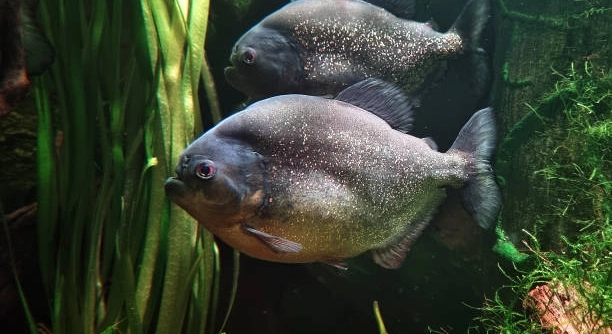
Do your fish seem stressed or constantly on edge, leaving you worried about the mood in your aquarium? Tank tension can affect their health and overall behavior, making it harder for them to thrive peacefully together.
Tank tension is often caused by overcrowding, incompatible species, poor tank layout, inconsistent lighting, water quality issues, feeding competition, and lack of hiding spaces. Identifying these stressors can help restore harmony and support the long-term wellbeing of your aquatic pets.
Each of these issues can be managed with a few adjustments, helping your fish feel more at ease and improving their quality of life.
Overcrowding Disrupts Balance
When too many fish are placed in a single tank, it leads to immediate tension. Each species needs enough space to swim, hide, and establish territory. Overcrowding reduces water quality faster and increases competition for food. Smaller tanks amplify these problems, especially when mixed with species that prefer solitude. Even peaceful fish may become territorial if confined too tightly. Stress builds as fish are forced to interact too often, causing fights and health issues. Overstocked tanks also demand more frequent maintenance. If your fish are chasing, hiding, or gasping, space may be the issue.
Fish need personal space. When crammed together, even calm species may act out or retreat, affecting their health and behavior.
A good rule is one inch of fish per gallon of water, but this varies based on species and tank setup. Always research the adult size of each fish and their social preferences before adding new ones. Overstocking isn’t just about space—it also impacts filtration and oxygen levels. If you’re unsure whether your tank is crowded, monitor behavior patterns and water quality. Constant aggression, hiding, or hovering near the top can signal space-related stress. Adding another tank or rehoming excess fish can often ease the strain.
Incompatible Species Increase Conflict
Some fish simply don’t get along. Housing species with different temperaments can create constant stress for everyone in the tank.
For example, mixing aggressive fish like cichlids with calm species such as tetras usually results in bullying or injury. Fish with long fins may be targeted by fin-nippers, while shy fish can become overwhelmed by more active tankmates. Always research compatibility before introducing new species. Look for signs like fin damage, torn tails, or a fish constantly hiding. Even if the tank appears calm, stress may still be present. The best practice is to create a community where fish have similar energy levels and environmental needs. If aggression becomes noticeable, separating or rehoming the aggressive species may be necessary. Keep a close eye during initial introductions, and never assume two peaceful fish will stay that way long-term—dynamics change, especially as fish mature. Proper planning can help maintain a calmer, healthier environment.
Poor Tank Layout Affects Comfort
Tank layout plays a major role in how fish interact. A bare or poorly arranged setup leaves fish exposed, leading to anxiety and territorial disputes. Lack of visual barriers also increases unwanted interactions and stress.
Fish feel more secure when they have access to plants, rocks, or decorations that allow them to establish hiding spots or boundaries. These structures reduce direct sightlines, lowering tension between territorial or shy species. Open swimming space is still important, especially for active fish, but it must be balanced with covered areas. Without cover, stressed fish may become aggressive, lose color, or hide constantly. Rearranging decorations or adding more hiding places can help reduce anxiety quickly. Each species has different needs, so tailor your layout to suit them. For example, bottom-dwellers need caves or driftwood, while others prefer vertical plant cover. Adjustments in layout often lead to noticeable changes in behavior and overall calmness.
A good tank layout mimics a natural environment. Use plants, rocks, or driftwood to separate zones and give fish space to retreat. This not only helps reduce stress but also allows each fish to behave more naturally. Observe how they use the space—if some are always hiding or chasing others, you may need more barriers. Layout isn’t just about appearance—it’s about function and safety. Providing both cover and open space supports healthier interactions. Fish need areas to rest, feed, and escape sight from tankmates. When these are missing, tension builds. Take time to design a balanced space that suits your species and their behavior patterns.
Inconsistent Lighting Triggers Stress
Sudden changes in lighting or irregular light cycles confuse fish and disrupt their sense of safety. Fish prefer gradual changes, like sunrise and sunset, rather than bright lights switching on or off.
Lighting plays a role in setting your fish’s internal rhythm. Inconsistent schedules can lead to increased hiding, aggression, or skittish behavior. Timed lighting helps fish know when to rest or feed. Leaving the light on too long can also lead to fatigue or algae buildup, while too little light can dull colors or stunt plant growth. Use a timer to keep lighting consistent each day. When turning lights on or off manually, try to do it gradually—open the curtains first or turn on a nearby lamp before switching on the tank light. Fish that dart around when the light changes are showing signs of stress. Maintaining a calm and regular light routine helps reduce unnecessary tension.
Poor Water Quality Raises Tension
Dirty or unstable water conditions can quickly stress fish. Ammonia, nitrite, and nitrate spikes harm their gills and immune system. Cloudy water, foul smells, or odd swimming patterns often signal that something is off with water quality.
Regular testing and partial water changes help maintain stability. Even small shifts in pH or temperature can cause discomfort, especially for sensitive species.
Feeding Time Creates Competition
Feeding in one spot often causes fast eaters to dominate while others go hungry. This creates stress and aggression over food. Spread food across the tank or use multiple feeding zones to reduce this tension.
Lack of Hiding Places Increases Stress
Fish need safe places to rest and escape. Without caves, plants, or shaded areas, they stay exposed and anxious. Shy fish will hide more, while bolder ones may become aggressive without proper retreat spaces. Add hiding spots to help reduce tension.
How can I tell if my tank has tension?
Signs of tank tension include aggressive chasing, constant hiding, loss of color, and erratic swimming. Fish may also gasp at the surface or display torn fins. These behaviors often indicate stress caused by overcrowding, poor water quality, or incompatible tankmates. Monitoring fish behavior closely helps identify tension early, allowing for timely changes to improve their environment.
What steps can I take to reduce aggression in my aquarium?
Start by ensuring your tank is not overcrowded and that species are compatible. Add plants, rocks, or decorations to create territories and hiding spots. Spread feeding areas to reduce competition for food. Keep water quality high and maintain a consistent lighting schedule. If aggression persists, consider separating aggressive fish or rearranging the tank layout to disrupt established territories.
How often should I test my tank water?
Testing water weekly is recommended for most freshwater tanks. More frequent checks may be needed in newly established tanks or if fish show signs of stress. Focus on ammonia, nitrite, nitrate, and pH levels. Keeping these stable prevents conditions that cause tension and health problems. Use a reliable test kit and record results to track changes over time.
Can lighting really affect fish behavior?
Yes. Sudden changes in lighting or inconsistent light cycles confuse fish and increase stress. Fish rely on regular light patterns to regulate sleep and feeding behaviors. Using a timer to maintain consistent lighting times helps fish feel secure. Gradual light changes, mimicking natural dawn and dusk, also reduce anxiety. Avoid leaving tank lights on overnight.
What is the best way to add hiding places for my fish?
Use a mix of live or artificial plants, rocks, driftwood, and caves to create varied hiding spots. Place these strategically to divide the tank into zones, allowing fish to claim their own space. Ensure hiding spots do not overcrowd the tank or block swimming paths. Choose decorations suitable for your species and easy to clean.
How do I know if my fish are compatible?
Research species temperament, size, and environmental needs before combining them. Peaceful fish generally do better with other calm species, while aggressive fish require more space or isolation. Avoid mixing fin-nippers with long-finned species. Watch initial interactions closely and be ready to separate fish if aggression or stress occurs.
Why is feeding competition harmful?
Dominant fish can monopolize food, leaving timid fish hungry. This imbalance causes stress, weakens immune systems, and can lead to malnutrition. Spreading food across different areas or feeding smaller portions more frequently helps ensure all fish get enough. Some species may benefit from feeding at different times or using feeding rings.
Can rearranging the tank reduce tension?
Yes. Changing decorations or plants disrupts established territories and reduces aggression. Rearranging the tank encourages fish to reestablish boundaries, often calming dominant individuals. This method works best when done gradually to avoid additional stress. Combine rearrangement with other improvements like water changes and feeding adjustments for better results.
How much space does each fish need?
Space requirements vary by species, but a general guideline is one inch of fish per gallon of water. Larger, territorial, or more active fish need more room. Overcrowding increases stress, reduces water quality, and promotes disease. Always research adult fish size and social needs before stocking your tank.
What role does water temperature play in tank tension?
Water temperature affects fish metabolism and comfort. Sudden or extreme temperature changes cause stress and lower disease resistance. Keep temperature stable within the ideal range for your species. Use a reliable heater and thermometer, and avoid placing tanks near drafts or heat sources. Consistent temperature helps maintain calm and healthy fish.
Final thoughts on managing tank tension focus on maintaining a balanced environment where fish can thrive. Tank tension arises from various factors, such as overcrowding, poor water quality, incompatible species, and inadequate hiding places. Addressing these issues is essential to ensure the health and well-being of the aquatic community. Each factor interacts with others, making it important to take a comprehensive approach rather than focusing on just one aspect. Consistent monitoring of water parameters, thoughtful tank layout, and proper feeding habits all contribute to reducing stress and aggression among fish.
Creating a peaceful aquarium begins with understanding the natural behaviors of the species you keep. Different fish have distinct needs for space, shelter, and companions. Providing enough room and sufficient hiding spots allows fish to establish territories and retreat when needed. This reduces direct competition and aggression. Maintaining stable water conditions through regular testing and water changes is also critical. Sudden changes in pH, ammonia levels, or temperature can quickly increase tension, even in a well-planned setup. Paying close attention to these details helps create an environment that supports the health and calmness of all tank inhabitants.
In summary, preventing tank tension requires ongoing effort and observation. Small adjustments in lighting, tank layout, and feeding routines can lead to significant improvements. Knowing your fish’s behavior and needs helps tailor the environment to reduce stress and promote natural interactions. While some issues may arise unexpectedly, staying proactive with care routines and addressing problems early will support a balanced and peaceful aquarium. A well-maintained tank not only looks better but also ensures a healthier life for the fish, making the hobby more rewarding overall.

Hello,
If you enjoy the content that we create, please consider saying a "Thank You!" by leaving a tip.
Every little bit helps us continue crafting quality advice that supports the health, happiness, and well-being of pets around the world, for pets of all shapes, sizes, and species.
We really appreciate the kindness and support that you show us!