
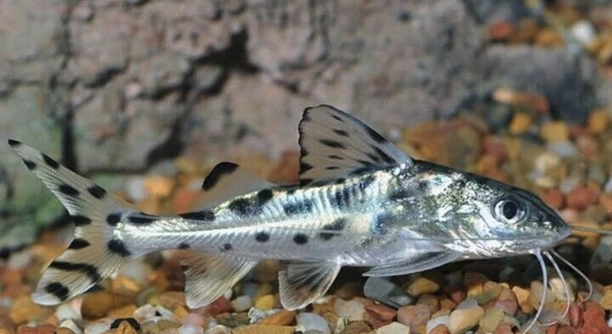
Poor filtration in pictus tanks can lead to many problems for both fish and their environment. Keeping water clean and clear is important for the health of your aquatic pets. When filtration is weak, many issues can quickly arise.
Poor filtration causes a buildup of toxins, reduces oxygen levels, and encourages harmful bacteria growth. These factors stress pictus catfish, affect their behavior, and can lead to illness or even death. Effective filtration is crucial for maintaining a healthy tank ecosystem.
Knowing the common issues caused by poor filtration helps you prevent long-term damage. This article will explain seven problems that often come from inadequate filtration in pictus tanks.
Toxin Buildup and Poor Water Quality
When filtration is weak, harmful substances like ammonia, nitrites, and nitrates start to accumulate in the tank. These toxins come from fish waste, uneaten food, and decaying plants. Over time, the water quality worsens, making it difficult for pictus catfish to breathe and thrive. Poor water conditions can cause stress, weaken their immune systems, and make them more prone to diseases. It can also lead to cloudy water, which is not only unpleasant to look at but also a sign that the tank environment is unhealthy. Maintaining good filtration helps keep these toxins at safe levels and preserves the natural balance in the aquarium.
Toxin buildup directly affects the health of your pictus catfish and the clarity of the tank water. Without proper filtration, the water quickly becomes toxic and unsafe.
Understanding how toxins accumulate and why filtration matters is key to avoiding serious problems in your tank. A strong filter supports the well-being of your fish and keeps the water clean and clear.
Oxygen Depletion and Fish Stress
Low oxygen levels are a common issue in tanks with poor filtration. Fish like pictus catfish need well-oxygenated water to breathe comfortably. When the filter doesn’t circulate water properly, oxygen exchange at the surface slows down. This lack of oxygen makes the fish restless and stressed. Stress can cause them to hide more, lose appetite, or become weak. In extreme cases, oxygen depletion can lead to suffocation. Good filtration helps keep water moving and oxygenated, creating a healthier and calmer environment for your fish to live in.
Increased Algae Growth
Poor filtration leads to excess nutrients in the water, which encourages algae to grow rapidly. This makes the tank look dirty and can harm the health of your pictus catfish.
Algae thrive on leftover nutrients like nitrates and phosphates that build up when filtration is weak. Excess algae blocks light from reaching live plants and uses up oxygen at night, stressing fish. Algae also makes cleaning the tank harder, and if left unchecked, it can cover decorations, glass, and plants, reducing the beauty of your aquarium. Regular and efficient filtration helps control nutrient levels, slowing algae growth and keeping the environment balanced.
Algae blooms can make your tank less inviting for your pictus catfish and complicate maintenance routines. Proper filtration reduces these problems by managing water quality and nutrient loads effectively.
Filter Clogging and Maintenance Issues
Filters can clog quickly when they are not strong enough to handle the tank’s waste load. This reduces their efficiency and can lead to sudden water quality problems. If clogged filters are not cleaned regularly, they may stop working altogether, allowing harmful toxins to build up rapidly. Overworking a clogged filter can also damage the equipment, leading to costly replacements or repairs. Keeping the filter clean and choosing the right size filter for your pictus tank helps maintain steady water flow and protects the health of your fish.
Fish Behavior Changes
Poor filtration often causes pictus catfish to act differently. They may become less active or hide more than usual.
Stress from bad water quality can make them lose appetite and show unusual swimming patterns. These changes are signs the tank needs better filtration.
Increased Disease Risk
Without proper filtration, harmful bacteria and parasites multiply quickly in the tank. This puts pictus catfish at higher risk of infections and diseases. Weak filtration also weakens the fish’s immune system by causing constant stress. Keeping the water clean with a good filter is essential to prevent outbreaks and maintain healthy fish.
Unpleasant Odors
Poor filtration leads to buildup of waste and decaying matter, causing foul smells in the tank.
What causes poor filtration in pictus tanks?
Poor filtration often results from using a filter that is too small or weak for the tank size. Another cause is neglecting regular filter maintenance, which leads to clogging and reduced efficiency. Sometimes, improper placement of the filter can also limit water flow and filtration effectiveness. Overfeeding fish can add extra waste that the filter can’t handle. All these factors together reduce the filter’s ability to keep the water clean and safe for pictus catfish.
How often should I clean my pictus tank filter?
It’s best to check the filter every two to four weeks and clean it when needed. Avoid washing all filter media at once because beneficial bacteria live there. Instead, rinse the filter parts gently in tank water to keep bacteria alive while removing debris. Regular cleaning keeps the filter working well and prevents clogging that harms water quality.
Can poor filtration kill pictus catfish?
Yes, poor filtration can be fatal. When toxins like ammonia and nitrites build up, they become poisonous to fish. Oxygen levels may drop, making it hard for pictus catfish to breathe. These conditions cause stress, weaken their immune system, and can lead to fatal diseases. Proper filtration is critical to keeping the water safe and the fish healthy.
How can I improve filtration in my pictus tank?
Start by choosing a filter rated for at least twice the volume of your tank. Consider a filter that offers mechanical, biological, and chemical filtration for the best water quality. Clean the filter regularly, but avoid disturbing beneficial bacteria. Adding live plants can also help absorb excess nutrients. Lastly, avoid overfeeding and perform regular water changes to support the filter’s work.
What are the signs my pictus catfish are stressed due to poor filtration?
Look for unusual behaviors like hiding all day, swimming erratically, or gasping at the water surface. Loss of appetite, faded colors, and sluggish movement are common signs. Stress from poor water quality weakens fish and makes them prone to illness. Watching these behaviors closely helps you know when your tank needs attention.
Is it okay to use multiple filters in a pictus tank?
Using multiple filters can be beneficial, especially in larger tanks. It helps improve water circulation and filtration capacity. However, make sure the filters do not create strong currents that stress pictus catfish. Balance flow rate to provide clean water without overwhelming your fish. Multiple filters also offer backup if one fails.
How does poor filtration affect algae growth?
Weak filtration allows excess nutrients like nitrates and phosphates to build up, feeding algae growth. This causes green water, slime on tank surfaces, and unsightly algae blooms. Excessive algae competes with plants and lowers oxygen levels at night. Strong filtration helps keep nutrients balanced and prevents algae from taking over.
What filter type is best for pictus catfish tanks?
Canister filters and hang-on-back filters are popular choices because they offer strong mechanical and biological filtration with adjustable flow rates. Sponge filters also work well in smaller tanks, providing gentle filtration that doesn’t stress pictus catfish. Choose a filter that matches your tank size and water flow needs.
Can poor filtration cause cloudy water?
Yes, poor filtration often leads to cloudy or murky water. This happens because waste and debris are not removed effectively. Bacterial blooms may also occur, further clouding the water. Clear water is a sign of good filtration and healthy fish. Regular filter maintenance helps maintain water clarity.
How often should I change filter media?
Filter media like sponges or cartridges should be replaced every 4 to 6 weeks, but not all at once. Biological media, which houses beneficial bacteria, should be rinsed gently in tank water and replaced less frequently. Changing media regularly ensures the filter continues to remove impurities and keeps the tank healthy.
What happens if I over-clean my filter?
Over-cleaning kills beneficial bacteria needed to break down toxins in the tank. This can cause ammonia and nitrite spikes, which are harmful to pictus catfish. To avoid this, rinse filter media gently in tank water and clean parts only when necessary. Proper care helps maintain a stable and healthy environment.
Are water changes still necessary with good filtration?
Yes, even with good filtration, regular water changes are essential. Filters reduce toxins but don’t remove everything. Water changes help remove dissolved waste, excess nutrients, and refresh minerals. For pictus tanks, a 10-20% water change weekly or biweekly supports fish health and keeps the tank balanced.
Poor filtration in pictus tanks can cause many serious problems for your fish and the overall tank environment. When the filter doesn’t work well, harmful toxins build up, water quality declines, and oxygen levels drop. These issues can stress your pictus catfish, making them more vulnerable to illness and affecting their behavior. The tank water may become cloudy, smelly, and full of algae, which makes it harder to keep the aquarium clean and pleasant to look at. A well-functioning filter is important to maintain a healthy balance in the tank and ensure your fish live in good conditions.
Taking care of the filter is just as important as choosing the right one. Filters can clog or stop working if they are not cleaned regularly, which leads to sudden drops in water quality. Over time, a clogged or weak filter will not be able to remove waste or circulate water properly. This can cause the problems to get worse quickly and even damage the equipment itself. Making sure your filter is the right size for your tank, cleaning it gently on schedule, and checking its performance often are simple ways to avoid many of these problems. Good maintenance helps keep the filter running smoothly and protects your pictus catfish.
Keeping your pictus tank healthy means paying attention to filtration and water quality. Even the best filter needs some help through regular water changes, careful feeding, and monitoring your fish’s behavior. Watching for signs of stress or illness can alert you to problems before they get serious. By understanding how poor filtration affects your tank, you can take steps to improve it and create a safe, clean, and comfortable home for your pictus catfish. This care will help your fish stay active and healthy, and it will make your tank a more enjoyable place to watch and care for.

Hello,
If you enjoy the content that we create, please consider saying a "Thank You!" by leaving a tip.
Every little bit helps us continue crafting quality advice that supports the health, happiness, and well-being of pets around the world, for pets of all shapes, sizes, and species.
We really appreciate the kindness and support that you show us!