
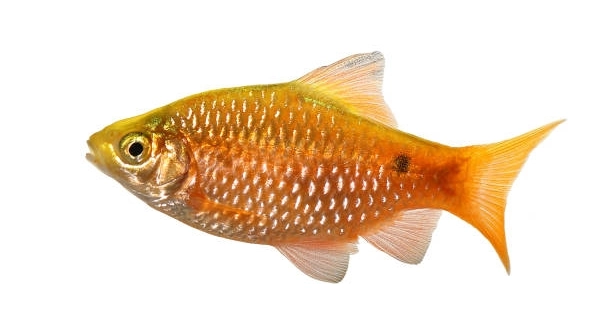
Rosy barbs are popular freshwater fish often introduced to new tanks. Observing their behavior helps ensure they adapt well and remain healthy in unfamiliar surroundings. Recognizing their natural instincts can improve tank management.
Rosy barbs exhibit specific instincts such as exploring their environment, establishing territory, schooling behavior, seeking hiding spots, reacting to changes, displaying feeding habits, and showing signs of stress. These instincts reflect their need for security and social interaction in new habitats.
Understanding these behaviors can help maintain a balanced and comfortable environment for rosy barbs in their new tanks. Awareness of their instincts supports better care and promotes their well-being.
Exploring Their New Environment
When rosy barbs are introduced to a new tank, their first instinct is to explore. They swim around cautiously, checking every corner and surface. This behavior helps them become familiar with their surroundings and find safe spots. They might also test the water flow and temperature to feel more comfortable. Watching this exploration can reveal how well the fish are adjusting. If they hide too much or seem stuck in one place, it could be a sign of stress. Giving them enough space and some plants or decorations helps create hiding spots that encourage natural behavior. These simple adjustments reduce anxiety and help the fish settle faster in the new tank.
Exploring is crucial for rosy barbs to feel secure. It’s their way of learning the layout and potential threats.
Creating an environment that allows free movement and safe retreat points supports this natural instinct. When they feel safe exploring, their health and activity levels improve. It also reduces aggressive tendencies that sometimes appear when fish feel threatened or trapped. Providing varied spaces for swimming and hiding makes the tank more interesting and less stressful. Observing their movements during this phase helps identify if the tank setup meets their needs or requires changes.
Establishing Territory and Social Order
Rosy barbs quickly start to establish territory once they are comfortable. They often group together but may claim small areas as personal space. This behavior helps reduce conflicts and keeps the group stable. It’s important to avoid overcrowding the tank to allow each fish enough room. Territorial behavior includes chasing or nudging others to assert dominance. While this may seem aggressive, it is normal and helps maintain social balance. Providing plenty of plants and structures gives fish places to claim without constant conflict. Keeping the environment enriched and spacious helps calm territorial disputes and encourages peaceful coexistence. Monitoring these interactions ensures no one fish is being bullied or isolated, which can affect overall health.
Schooling Behavior
Rosy barbs naturally swim in groups, relying on schooling for safety and comfort. This instinct helps reduce stress and keeps them active.
Schooling behavior provides protection from perceived threats by confusing predators. In a new tank, rosy barbs tend to stick close together to feel secure. If they scatter or swim alone, it may indicate discomfort or poor water conditions. Encouraging schooling requires enough space for the group to move freely. Adding plants or decorations can create visual barriers that make the group feel less exposed. Maintaining good water quality supports healthy social interaction among the fish, promoting natural schooling patterns.
Observing schooling behavior also reveals the social hierarchy within the group. Dominant fish might lead the school, while others follow. Disruption of this pattern could signal stress or illness. Ensuring a calm environment helps preserve these social bonds and keeps the fish thriving.
Feeding Habits
Rosy barbs show clear feeding instincts that reflect their natural diet. They are active feeders and expect regular meals.
These fish quickly learn feeding routines and become responsive when it’s mealtime. Their feeding behavior includes darting to the surface or bottom depending on the food type. Offering a varied diet of flakes, pellets, and occasional live or frozen foods supports their health. Overfeeding should be avoided, as it can lead to water quality issues and obesity. Feeding in small amounts multiple times a day mimics their natural grazing behavior and keeps them energetic. Monitoring their eating patterns helps detect any appetite loss early, which could signal stress or illness.
Feeding times also promote interaction and exercise. Providing food in different tank areas encourages movement and exploration. This not only meets nutritional needs but also stimulates natural instincts. Watching them feed can give valuable insight into their well-being and tank environment.
Reacting to Changes
Rosy barbs respond quickly to changes in their environment. Sudden shifts in lighting, water temperature, or decorations can cause noticeable stress.
They may hide more, swim erratically, or become less active when unsettled. Gradual changes help them adjust smoothly without disruption.
Seeking Hiding Spots
Hiding is a natural instinct that helps rosy barbs feel safe. They use plants, rocks, or decorations as shelters to reduce stress.
Providing enough hiding places in the tank is essential. It encourages confidence and reduces aggressive encounters, supporting healthier social dynamics.
Signs of Stress
Stress in rosy barbs can show through color fading, loss of appetite, or unusual swimming patterns. These signs signal discomfort in their environment.
Recognizing stress early allows for quick adjustments in care. Keeping stable conditions minimizes stress and supports overall fish health.
FAQ
How can I tell if my rosy barbs are stressed in a new tank?
Stress signs include faded colors, reduced activity, hiding more than usual, and loss of appetite. Erratic swimming or gasping at the surface may also indicate discomfort. Observing these behaviors early helps prevent health issues by allowing prompt adjustments to their environment.
What is the best way to help rosy barbs adjust to a new tank?
Provide plenty of hiding spots with plants and decorations to make them feel secure. Keep water conditions stable and avoid sudden changes. Introduce them slowly and monitor their behavior for signs of stress or illness. A calm environment encourages natural instincts like schooling and exploring.
How important is schooling behavior for rosy barbs?
Schooling is vital for rosy barbs’ sense of safety and well-being. It reduces stress by creating a group dynamic that confuses predators and offers comfort. Keeping at least six rosy barbs together in a spacious tank promotes natural behavior and social balance.
Can rosy barbs live with other fish species?
Yes, rosy barbs are generally peaceful but active. They do well with other similarly sized, non-aggressive fish. Avoid keeping them with very small or slow-moving species, as rosy barbs can sometimes nip fins. Proper tank size and hiding spots help maintain harmony.
What should I feed rosy barbs in a new tank?
Feed a balanced diet of high-quality flakes or pellets designed for tropical fish. Supplement with live or frozen foods like brine shrimp or bloodworms occasionally. Feed small amounts multiple times a day to mimic natural grazing and prevent overfeeding.
How often should I change the water in a new tank with rosy barbs?
Perform partial water changes of about 20-25% weekly to keep water clean and stable. Frequent changes prevent toxin buildup and reduce stress. Always treat tap water to remove chlorine and balance temperature before adding it to the tank.
Why do rosy barbs sometimes chase each other?
Chasing is a way to establish territory and social order within the group. It is usually brief and not harmful. Providing enough space and hiding places helps reduce aggression. Excessive chasing may indicate overcrowding or stress.
What tank conditions do rosy barbs prefer?
They thrive in water temperatures between 64-72°F (18-22°C) with a pH of 6.5-7.5. Moderate water flow and good filtration are important. A tank size of at least 30 gallons is recommended to allow schooling and active swimming.
How do rosy barbs react to sudden changes like new decorations or lighting?
Sudden changes can cause stress, leading to hiding or erratic swimming. Introducing new items gradually helps them adjust. Keeping consistent lighting and environment reduces anxiety and promotes healthy behavior.
What should I do if a rosy barb stops eating?
Loss of appetite can indicate stress, illness, or poor water quality. Check tank conditions, observe for other symptoms, and consider isolating the fish if needed. Offering live foods or adjusting feeding times may help stimulate appetite.
Can rosy barbs live in planted tanks?
Yes, they enjoy planted tanks as plants offer hiding spots and enrich their environment. Choose hardy plants since rosy barbs may nibble on softer ones. Plants also help maintain water quality and reduce stress.
Is it normal for rosy barbs to hide a lot in a new tank?
Yes, hiding is a natural defense when adjusting to unfamiliar surroundings. It indicates they feel insecure. Providing sufficient shelters and minimizing disturbances helps them gain confidence and become more active over time.
How do I maintain good water quality for rosy barbs?
Regular partial water changes, efficient filtration, and avoiding overfeeding are key. Test water parameters often and correct any imbalances quickly. Clean substrate and decorations periodically to prevent waste buildup that can harm fish health.
What are common signs of illness in rosy barbs?
Look for spots, discoloration, frayed fins, lethargy, or unusual swimming patterns. Early detection and treatment are essential to prevent disease spread. Maintaining a stable, clean environment reduces the risk of illness.
Can rosy barbs tolerate temperature fluctuations?
They prefer stable temperatures within their range. Sudden drops or spikes can stress them and weaken their immune system. Using a reliable heater and monitoring temperature helps keep conditions steady.
How do rosy barbs interact with their environment daily?
They explore actively, swim in groups, and seek out feeding areas. Their behavior reflects comfort levels and tank setup. Observing these interactions helps identify any changes that might signal problems.
This FAQ covers key concerns about rosy barbs adjusting to new tanks, providing practical advice to support their natural instincts and promote healthy, stress-free living.
Final Thoughts
Rosy barbs show many natural instincts when they enter a new tank. These behaviors, such as exploring, schooling, and seeking hiding spots, are important signs of how well they adapt. Observing these actions helps understand their needs and feelings. It also shows if the tank environment supports their health and comfort. Paying attention to these instincts allows owners to provide better care and make adjustments when needed. This is essential for the fish’s long-term well-being.
Creating a calm and stable environment is key for rosy barbs to thrive. Stable water conditions, proper tank size, and enough space for swimming and hiding make a big difference. Adding plants and decorations gives the fish places to explore and feel safe. Feeding them a balanced diet in small portions keeps their energy up and supports natural feeding habits. Avoiding sudden changes in the tank helps reduce stress and encourages healthy behavior.
Understanding the instincts of rosy barbs can improve the overall tank experience for both the fish and the owner. It helps reduce common problems like aggression, stress, and illness. Watching how the fish behave provides valuable clues about their health and comfort. Making sure their natural instincts are supported promotes peaceful social interactions and a lively tank environment. This knowledge allows for better decisions when setting up and caring for rosy barbs in their new home.

Hello,
If you enjoy the content that we create, please consider saying a "Thank You!" by leaving a tip.
Every little bit helps us continue crafting quality advice that supports the health, happiness, and well-being of pets around the world, for pets of all shapes, sizes, and species.
We really appreciate the kindness and support that you show us!