
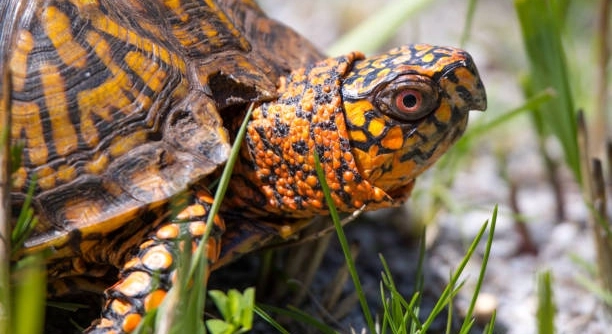
Box turtles are fascinating creatures that face numerous challenges in the wild. Their natural habitats are often threatened, and they can suffer from injuries or illness. Many of these turtles are fortunate enough to find rescue and rehabilitation.
Rescue efforts for box turtles have become a crucial part of their conservation. Veterinarians and wildlife rehabilitators work tirelessly to treat injuries, provide proper care, and release them back into the wild. These stories highlight their remarkable recovery.
Through these inspiring accounts, readers will learn about the dedicated work involved in rescuing and rehabilitating box turtles, highlighting the challenges they face and the remarkable journeys of recovery.
A Life-Threatening Injury: How One Turtle Found a Second Chance
One box turtle was found with a severely damaged shell after a car accident. The injury was so severe that it required immediate medical intervention. The rehabilitation process included cleaning the wound, stabilizing the turtle, and giving it time to heal. Over time, the shell grew back stronger, thanks to a series of treatments and constant care. The turtle’s recovery was a slow process, but the efforts paid off. Eventually, it was ready to be released back into its natural habitat. This particular rescue highlights the importance of proper treatment and care for injured wildlife.
Despite initial concerns about its chances, the turtle regained much of its mobility after several months. Rehabilitation included a specialized diet and regular check-ups. These efforts were vital in restoring its strength and shell integrity.
This story emphasizes the commitment required to rehabilitate injured box turtles. It also shows that with the right care, many injured turtles can make a full recovery and return to their natural surroundings.
Overcoming Malnutrition: A Turtle’s Recovery
A malnourished box turtle was found struggling to survive after being abandoned. It was weak and underweight, showing signs of dehydration and poor nutrition. Immediate attention was needed to restore its health.
Through a carefully balanced diet, constant monitoring, and proper hydration, the turtle began to show signs of improvement. The rehabilitation team introduced a variety of foods to ensure it regained the necessary nutrients. Over time, the turtle’s energy levels rose, and its weight returned to a healthy range. The process was slow, but gradual progress was made as the turtle’s health improved.
By restoring the turtle’s health through focused care, it was able to become strong enough to live independently again. It is a testament to the importance of proper nutrition and care in wildlife rehabilitation efforts.
Rescued from an Abandoned Yard
A box turtle was discovered in an abandoned yard, likely left there after the property was vacated. It had been struggling to find food and shelter for weeks, weak and malnourished.
After being brought into a rehabilitation center, the turtle was cleaned and given a proper diet to boost its health. The immediate focus was on restoring its strength through a nutritious diet and plenty of water. As the days passed, the turtle began showing more energy and even started moving around more.
The rehabilitation process was slow, but steady. Regular check-ups ensured its recovery progressed, with specialists focusing on restoring the turtle’s muscle mass and overall health. The turtle’s return to a more active state was an inspiring reminder of the importance of providing proper care.
Injured by Predators
This turtle had survived an attack by a predator, leaving it with deep cuts and a damaged shell. After being rescued, the focus was on ensuring the wounds healed properly.
The team used specific methods to clean and treat the wounds, preventing infection. Over time, the turtle began to recover, but it needed more than just medical attention. Rehabilitation included a special enclosure for the turtle to rest and regain its strength. It was important to ensure the shell’s growth would not be hindered.
After months of treatment and care, the turtle became strong enough to be released. It was a long process, but ultimately, it thrived once back in its natural environment. The care and patience paid off, and the turtle found a new life.
Stranded on the Roadside
A box turtle was found stranded on the side of a busy road, injured by the passing cars. It had abrasions on its legs and shell, showing signs of trauma.
The turtle was brought to a rehabilitation center, where it received immediate care. The injuries were cleaned, and the turtle was placed in a safe, quiet space to recover. It was given a special diet to ensure its healing process was as quick as possible.
The care provided to this turtle was essential to its recovery. It was able to regain strength, and after several weeks, it was released back into its natural habitat.
Shelled and Sick
This box turtle arrived at the clinic with symptoms of a respiratory infection. Its condition was severe, and it struggled to breathe.
Veterinarians started treating it with antibiotics and placed it under strict observation. With time and consistent care, the turtle began to recover, its breathing became less labored, and it started to move more.
The healing process was slow but steady. Proper temperature and humidity levels were vital in helping the turtle regain full health. After a couple of months, it was released, fully recovered, into a more suitable environment.
FAQ
How do box turtles get injured in the wild?
Box turtles are vulnerable to a variety of dangers in the wild. They may be hit by cars while crossing roads, attacked by predators such as dogs, or suffer injuries from falling or being trapped. Environmental factors like extreme weather or habitat destruction also put these turtles at risk. While box turtles have protective shells, they are not always enough to prevent injury. In many cases, the injuries they sustain can be severe, requiring medical attention for recovery. The importance of providing safe spaces for wildlife and maintaining natural habitats cannot be overstated.
What are the common injuries that box turtles experience?
The most common injuries that box turtles face are shell fractures, which often result from car accidents or attacks by predators. They can also experience cuts or abrasions on their legs, as well as infections, especially if their wounds are not treated properly. Respiratory infections are another concern, typically caused by stress, poor diet, or environmental factors. Sometimes, dehydration or malnutrition can cause box turtles to become weak, making them more susceptible to illness and injury. Providing proper care and attention is crucial for their recovery.
How do wildlife rehabilitators treat injured box turtles?
Wildlife rehabilitators follow specific protocols when treating injured box turtles. For shell injuries, they often clean and disinfect the wounds before applying bandages or shells that help protect the affected areas. Antibiotics are commonly used to prevent infections, especially in deeper wounds. For respiratory infections, rehabilitators may administer medications, adjust the turtle’s environment to ensure it is warm and humid, and monitor its progress closely. The turtle’s diet is also adjusted to aid recovery, often including foods rich in vitamins and minerals. Rehabilitators provide a calm and safe environment for the turtle to recover fully before releasing it.
How long does it take for a box turtle to recover?
The recovery time for a box turtle depends on the severity of the injury or illness. Minor injuries, such as small cuts or abrasions, may take just a few weeks to heal with proper care. More severe injuries, like broken shells or serious infections, may require several months of treatment and monitoring. It’s important to provide a stress-free, safe environment during the healing process to ensure the turtle’s recovery is as swift as possible. Each turtle is different, and their recovery times may vary based on individual circumstances.
Can box turtles be released back into the wild after rehabilitation?
Yes, many box turtles can be successfully released back into the wild after proper rehabilitation. The goal of wildlife rehabilitators is to restore the turtle’s health and ensure that it is strong enough to survive on its own. Once the turtle has fully recovered, it is returned to a suitable habitat, typically close to where it was found. The release process is carefully planned, and the turtle is monitored to ensure its successful reintroduction into the wild. However, not all turtles are suitable for release; some may have permanent injuries or health issues that prevent them from surviving in the wild.
What should I do if I find an injured box turtle?
If you come across an injured box turtle, it’s important to assess its condition without causing further stress. If the injuries are severe, such as broken shells or visible wounds, it’s best to contact a wildlife rehabilitator or local animal rescue organization for guidance. If the turtle is not in immediate danger, you can carefully move it to a safe, quiet location away from roads and predators. Be sure to avoid handling the turtle too much, as this can add stress. Providing a safe and calm environment for the turtle until help arrives is key.
How can I prevent box turtles from getting injured?
Preventing injuries to box turtles largely involves creating safer habitats and ensuring they have access to areas away from roadways. One way to help protect turtles is by slowing down and being vigilant while driving in areas where turtles are common. You can also help by supporting conservation efforts to protect their natural habitats, like forests and wetlands. Additionally, if you have turtles as pets or in a controlled environment, make sure their enclosures are secure and free from hazards that could cause injury.
Can box turtles be kept as pets?
Box turtles can be kept as pets, but it requires significant responsibility and knowledge of their needs. In many areas, it’s illegal to keep wild-caught box turtles as pets, as they play an important role in the ecosystem. If you plan to keep a box turtle, it’s best to adopt one that has been bred in captivity. They require a proper diet, a safe and spacious enclosure, and regular health check-ups. It’s also important to research their natural behavior and needs to ensure they are properly cared for in captivity.
Final Thoughts
Box turtles are resilient creatures that face many challenges in the wild, from injuries caused by predators and vehicles to illnesses due to environmental stress. When these turtles are rescued and rehabilitated, they often require extensive care and attention to heal. While some injuries can be treated quickly, others may take months of careful observation and medical intervention. The dedication of wildlife rehabilitators plays a crucial role in helping these turtles recover and return to their natural habitats. Their work highlights the importance of protecting wildlife and ensuring that injured animals have the chance to recover and thrive.
The rehabilitation process is not always quick or easy. For box turtles, it involves providing proper nutrition, medical treatment, and a safe, stress-free environment. The turtle’s shell, which offers some protection from predators, is often the most vulnerable part of its body. When damaged, it requires time to heal, and in some cases, the turtle may never fully recover. Rehabilitators use various methods to treat injuries, from shell repairs to administering medications for infections or respiratory issues. Even after the turtle has healed physically, it may need time to regain strength and confidence before being released back into the wild.
Supporting wildlife rehabilitation efforts is essential for the survival of species like the box turtle. While not every turtle can be saved, the work being done to rescue, rehabilitate, and release these animals is making a difference. It serves as a reminder of the importance of preserving natural habitats and creating environments where wildlife can thrive. Whether you come across an injured turtle or simply wish to support conservation efforts, every small action contributes to the ongoing effort to protect these fascinating creatures.

Hello,
If you enjoy the content that we create, please consider saying a "Thank You!" by leaving a tip.
Every little bit helps us continue crafting quality advice that supports the health, happiness, and well-being of pets around the world, for pets of all shapes, sizes, and species.
We really appreciate the kindness and support that you show us!