
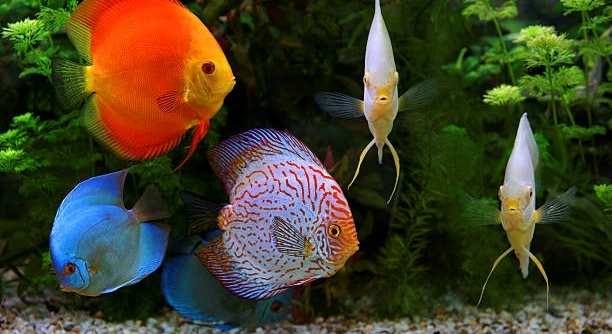
Is your discus acting differently, hiding more often, or refusing to eat like usual? These changes may be signs of stress or shock.
Discus fish can go into shock due to sudden changes in water conditions, temperature fluctuations, or exposure to harmful substances. Shock weakens their immune system, alters behavior, and can lead to serious health problems if not addressed promptly.
Recognizing the early indicators can make a significant difference in your discus fish’s recovery and overall well-being.
Signs of Disorientation and Clamped Fins
Discus fish in shock often appear disoriented, swimming aimlessly or floating in unusual positions. They may bump into tank decorations or stay near the surface or bottom without moving much. Clamped fins are another clear indicator. This means the fins stay tight against the body instead of fanning out naturally. It’s a sign that your discus is feeling unwell or threatened. These behaviors can be triggered by a sudden drop in temperature, poor water quality, or an abrupt change in environment. Spotting these changes early gives you a better chance of helping them recover quickly and safely.
Discus fish are sensitive, and sudden changes in their environment can throw off their natural balance. When you notice disorientation or clamped fins, take immediate steps to check water parameters and tank conditions.
Monitoring behavior helps you respond before things worsen. A calm tank, stable temperature, and low stress levels can support faster recovery.
Loss of Appetite and Darkened Color
Loss of appetite is often one of the first signs of shock in discus. A healthy discus normally has a good appetite and eagerly eats during feeding time. If your fish suddenly stops eating, especially when previously active, this change should not be ignored.
When discus fish are stressed or in shock, their bodies respond in visible ways. One common response is a darkening of their color. This is due to stress hormones triggering pigment changes. Along with that, a lack of appetite sets in because stress slows down their digestive system. Even their favorite food might get ignored. These changes can be brought on by poor tank conditions like high ammonia levels or rapid water changes. Make sure to test the water regularly, adjust feeding routines, and maintain a peaceful environment. Providing hiding spaces can also make your discus feel more secure, giving them a better chance to regain color and start eating again.
Rapid Gill Movement and Labored Breathing
Rapid gill movement often means your discus is having trouble breathing. This can happen if there’s a lack of oxygen in the water or if the fish is experiencing stress or internal discomfort. Acting quickly can help prevent further complications.
When discus fish show fast gill movement or seem to breathe heavily, it’s often tied to poor water quality or sudden environmental stress. Ammonia spikes, low oxygen levels, or high nitrates can cause breathing issues. Make sure your filtration system is working properly and consider adding an air stone for extra oxygen. Keep the tank calm and avoid startling your fish further. Check your water parameters and correct anything that’s off. Discus are delicate and can react strongly to even minor shifts. Watching their breathing and gill movement closely can give you early warnings before things get worse. A steady routine will help prevent recurring stress.
If your discus seems to stay near the surface gasping or breathing harder than usual, it could mean their gills are under pressure. Stress affects their respiratory system quickly. Always keep your tank clean and perform water changes regularly. Avoid overfeeding, as leftover food can cause water imbalance. Proper care now means fewer problems later.
Hiding Constantly and Sudden Darting
A discus that hides often may be feeling overwhelmed by stress or shock. While occasional hiding is normal, constant hiding for hours or days can indicate that something in the tank isn’t right for them.
Discus prefer calm, stable surroundings. When stressed, they often hide behind plants, rocks, or in corners. If your discus is suddenly spending more time hidden, it’s worth checking for aggressive tank mates or loud noises near the tank. Shock also makes them more prone to darting—quick, sudden movements across the tank. This behavior usually follows a scare or discomfort, often from lighting changes, vibrations, or poor water conditions. To help reduce this behavior, keep lighting soft, maintain consistent water quality, and avoid tapping the glass. Offering plenty of hiding spaces and minimizing disruptions helps your discus feel safer. When they feel secure, they’ll return to normal swimming patterns over time.
Pale Body Color and Slime Coat Changes
A discus in shock may lose its usual bright colors, turning pale or grayish. This sudden change often signals discomfort or stress, especially if paired with other signs like hiding or loss of appetite.
The slime coat may also thicken or appear patchy. This protective layer changes when discus are unwell or trying to defend against poor water conditions. Watch for excess shedding or cloudy patches.
Lethargy and Weak Swimming
Lethargy is a strong sign something is wrong. A discus that was once active but now drifts or rests at the bottom for long periods could be experiencing stress or a sudden environmental change. Their energy drops, and they stop interacting with their surroundings. Weak swimming is often related. A fish in shock may struggle to stay upright or drift sideways, which could be due to water quality, injury, or internal distress. If you notice these behaviors, check the tank’s temperature, filtration, and water chemistry immediately. Keeping your tank consistent and stable can prevent this from happening in the future.
Flicking or Rubbing Against Objects
Discus may flick or rub their bodies against objects when irritated or uncomfortable. This can indicate a reaction to water issues, parasites, or sudden changes in the tank environment.
FAQ
What causes discus fish to go into shock?
Discus fish can go into shock due to sudden changes in water temperature, poor water quality, loud disturbances, or rapid pH shifts. Transport stress, overcrowding, or aggressive tank mates can also contribute. Even minor shifts in tank conditions, like a small ammonia spike or chlorine exposure, may trigger stress. Discus are sensitive fish and require a calm, stable environment with clean water, steady temperature, and good oxygenation. Consistency is key—sudden changes, even with good intentions like a water change, can be overwhelming. Always test your water before and after any changes to avoid stressing your fish.
How long does it take a discus to recover from shock?
Recovery time depends on the severity of the shock and how quickly the cause is corrected. Mild cases might resolve in a few hours once tank conditions are stabilized. More serious stress could take several days. If health problems develop—like infections from a weakened immune system—recovery might take longer. Keep your tank environment consistent, feed lightly with high-quality food, and avoid handling the fish. Dim lighting and minimal movement near the tank can also support recovery. Patience is important. As long as their condition doesn’t worsen, most discus can bounce back with gentle care.
Should I isolate a discus in shock?
Isolation depends on the situation. If the discus is being harassed by other fish or showing signs of illness like white spots, sores, or fin damage, moving it to a separate hospital tank is helpful. Isolation reduces stress from tank mates and allows for focused care, like temperature adjustments or medications. However, if the fish is just adjusting after a water change or new environment, it’s often better to leave it in the main tank. Too much movement can worsen the shock. Always weigh the risks before transferring a fish. Keep the isolation tank parameters as close as possible to the main tank.
Can discus die from shock?
Yes, discus can die from severe or prolonged shock if the cause isn’t addressed quickly. Shock lowers their immune response and can lead to secondary infections, organ failure, or complete system shutdown. Signs like heavy breathing, laying sideways, or darkened color that don’t improve may indicate danger. Acting quickly to correct water parameters, reducing noise or movement, and ensuring a peaceful tank can save the fish. Not every case is fatal, but time matters. If you’re unsure, test everything—temperature, ammonia, nitrite, nitrate, and pH. Small corrections made early are better than drastic changes made late.
How do I prevent discus from going into shock again?
Stability is the most important factor. Test your water regularly, perform slow and consistent water changes, and avoid sudden shifts in temperature or chemistry. Use a thermometer and reliable heater to prevent temperature swings. When introducing new fish or making changes to the tank, do so gradually. Float new fish bags to adjust temperature, and use a drip method for acclimation. Also, avoid tapping on the glass, placing the tank in high-traffic areas, or turning lights on abruptly. Create a calm environment with plants, hiding spots, and a steady routine. Discus thrive when they feel secure.
Is it normal for discus to act scared sometimes?
Yes, discus are naturally shy and may act scared, especially when something changes in their surroundings. They often react to loud noises, bright lights, or unfamiliar movements. If your discus startles easily or hides often, it’s not always a cause for concern. However, if this behavior becomes constant or is paired with signs like color loss, not eating, or rapid breathing, it could mean the fish is in distress. Small changes to lighting, noise levels, and routine can help reduce fear. Over time, discus become more confident if the tank remains stable and calm.
Final Thoughts
Discus fish are beautiful and sensitive creatures that require calm, stable conditions to thrive. When they go into shock, their behavior changes quickly and can be easy to miss if you’re not familiar with the signs. Things like hiding more than usual, darkening in color, breathing heavily, or refusing food should be taken seriously. These are not just small mood changes—they often reflect real discomfort or stress. It’s important to stay alert and notice these small signals early. Catching these signs quickly gives you the chance to make changes before the situation becomes more serious.
Maintaining a consistent tank environment is one of the best ways to prevent discus from going into shock. This means checking water temperature, pH, ammonia, and nitrate levels regularly. Avoid sudden changes, like large water swaps or major rearrangements in the tank. Even good intentions can lead to stress if not done carefully. Keep feeding routines steady, limit noise or disruptions near the tank, and make sure your fish have plenty of places to hide when they need to feel safe. The more secure they feel, the more likely they are to stay active and healthy. Small actions, like using a thermometer or adjusting lighting gradually, can make a big difference.
It’s also helpful to observe your discus closely each day. Over time, you’ll learn what is normal behavior for them. This will make it easier to notice when something seems off. If one fish begins acting differently, separate it from others only if it’s being bullied or showing signs of illness. Otherwise, try to fix the conditions in the main tank first. Remember that stress affects the whole tank, not just one fish. Consistency, care, and patience are the most important tools you have. While some signs of shock may look serious at first, many discus can recover well when the right steps are taken quickly. Understanding what stress looks like and how to respond calmly can help keep your discus strong and peaceful in their home.

Hello,
If you enjoy the content that we create, please consider saying a "Thank You!" by leaving a tip.
Every little bit helps us continue crafting quality advice that supports the health, happiness, and well-being of pets around the world, for pets of all shapes, sizes, and species.
We really appreciate the kindness and support that you show us!