
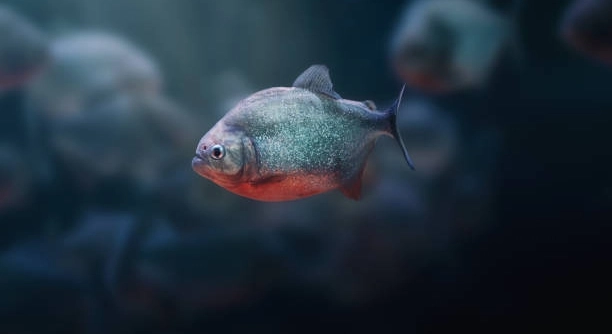
Tank décor is often chosen to create a peaceful and visually appealing environment. However, certain décor elements can unintentionally contribute to stress for aquatic pets. Recognizing signs of distress related to tank setup is important for maintaining a healthy habitat.
Stress indicators in fish and aquatic animals may include hiding, erratic swimming, loss of appetite, and color fading. These signs often correlate with inappropriate décor such as overcrowded spaces, sharp objects, or poor lighting conditions. Addressing décor-related stress improves animal welfare.
Identifying these signals early helps ensure a comfortable and balanced environment for your aquatic pets. The following points highlight common décor-related stress factors to watch for.
Overcrowded Décor Causes Anxiety
When too many decorations are packed into a tank, the available swimming space becomes limited. Fish and other aquatic animals need room to move freely to reduce stress and maintain healthy behavior. Overcrowding can create feelings of insecurity and confusion, causing animals to hide or become aggressive. It also reduces water circulation, which can negatively affect oxygen levels. Decorations like rocks, plants, and ornaments should be spaced carefully to balance visual interest with open areas. Choosing fewer pieces allows animals to establish territories and explore comfortably. Overcrowded tanks often show signs of stressed fish such as rapid breathing or constant hiding. Adjusting the décor for better space can significantly improve their well-being and reduce anxiety caused by feeling trapped or overwhelmed. Maintaining a minimal but natural setup is beneficial for the overall health of aquatic pets, helping them thrive in their environment.
A cluttered tank reduces movement and increases stress, limiting healthy behavior in aquatic animals.
Creating space by reducing décor promotes better water flow and encourages natural swimming habits, which supports calmness and health.
Sharp or Rough Decorations Can Harm
Sharp or rough edges on décor items pose physical risks to aquatic animals. Fish can injure their fins or bodies if they brush against these surfaces, leading to infections or wounds. Even small scratches can become serious if bacteria enter the damaged area. Smooth surfaces and rounded decorations are safer choices. Avoid broken or cracked ornaments, as they often have jagged parts that can harm inhabitants. Plants with sharp leaves or artificial décor made of rough plastic should also be inspected. These hidden hazards cause stress by making the tank feel unsafe, prompting animals to avoid certain areas or display defensive behavior. Careful selection and regular inspection of tank décor reduce injury risks and contribute to a more secure and comfortable environment for aquatic pets. Ensuring smooth, safe decorations supports the animals’ health and peace of mind.
Poor Lighting Increases Stress
Improper lighting can disrupt fish behavior and increase stress. Too bright or too dim light affects their comfort and natural rhythms.
Lighting that is too intense may cause fish to hide constantly or become restless. On the other hand, very low light can make fish lethargic and reduce activity. Lighting should mimic natural conditions with a proper day-night cycle. Using adjustable lights helps control brightness and duration, allowing fish to adapt smoothly. Inconsistent lighting may confuse fish, disrupting feeding and sleeping patterns, which contributes to stress. Observing how fish respond to light changes is important for maintaining a calm environment.
Maintaining a balanced light schedule supports healthy behavior and reduces anxiety. Avoid harsh lighting and provide shaded areas with plants or décor for shelter. Proper lighting enhances the tank’s appearance while promoting well-being in aquatic pets.
Inadequate Hiding Places Cause Anxiety
Fish and other aquatic animals rely on hiding spots to feel safe and reduce stress. Without adequate shelter, they become vulnerable and anxious. Hiding places should be varied in size and shape to accommodate different species and behaviors. Natural materials such as plants, caves, or driftwood offer both protection and comfort. Providing enough hiding spots allows territorial fish to establish boundaries peacefully. When hiding places are scarce, animals may fight or remain stressed, showing signs like constant darting or pale colors. Observing your tank’s inhabitants helps identify if more shelter is needed. Ensuring plenty of cover creates a secure and balanced environment where aquatic pets can relax and thrive comfortably.
Incompatible Plant Choices
Some plants may release toxins or alter water chemistry, causing stress for aquatic pets. Choosing species that suit your tank’s environment is essential.
Live plants generally benefit tanks but require proper care. Dead or decaying plants should be removed promptly to avoid water quality issues that stress fish.
Loud or Sudden Noises
Aquatic animals are sensitive to vibrations and loud noises near their tank. Frequent disturbances can trigger stress responses, such as frantic swimming or hiding. Keeping the tank in a quiet, stable area minimizes these effects. Reducing noise exposure helps maintain calm and supports healthy behavior in fish.
Poor Water Flow
Water flow affects oxygen levels and waste removal in the tank. Inadequate circulation can cause low oxygen and waste buildup, leading to stress and illness. Ensuring proper filter function and flow rates tailored to your species promotes a healthy environment and reduces discomfort.
Using Artificial Decorations Excessively
Artificial décor may lack the natural benefits of live plants and smooth surfaces. Excessive use can create unnatural conditions and stress aquatic pets. Balancing artificial items with natural elements supports both aesthetics and animal well-being.
FAQ
How can I tell if my tank décor is stressing my fish?
Stress signs in fish include hiding, loss of appetite, rapid breathing, and unusual swimming patterns. If your fish often stay in one corner or dart around frantically, the tank environment may be causing discomfort. Observing their behavior closely helps identify if the décor or setup needs adjustment. Changes like removing sharp decorations or reducing clutter often improve their activity and color.
What are the safest types of décor for stress-free tanks?
Smooth, natural decorations such as rounded rocks, driftwood, and live plants are generally safe. These materials avoid injuries and help create a comfortable environment. Avoid decorations with sharp edges or toxic materials. Soft plants offer hiding spots and mimic natural habitats, reducing anxiety. Always rinse new décor well before adding it to the tank to remove dust or chemicals.
Is overcrowding the tank with décor really harmful?
Yes, overcrowding limits swimming space and can cause fish to feel trapped. This restricts their natural movement and encourages hiding or aggression. Overcrowded tanks also reduce water flow, which can lower oxygen levels and increase waste buildup. It is best to keep décor balanced—enough to provide shelter but not so much that it restricts movement or creates stress.
Can lighting really affect fish behavior?
Lighting plays a key role in fish health. Too much light can cause stress and force fish to hide constantly. Too little light might make fish lethargic and reduce their appetite. A consistent light cycle that mimics natural day and night periods helps fish maintain regular behavior. Adjustable lighting and shaded areas within the tank are ideal for creating comfort.
How often should I clean or rearrange tank décor?
Cleaning décor should be part of regular tank maintenance, usually every few weeks. Remove algae, dirt, and debris gently to avoid damaging decorations or disturbing fish. Rearranging décor occasionally can reduce territorial aggression but should be done carefully to avoid stressing the animals. Sudden, drastic changes in layout may increase anxiety, so change gradually.
Can artificial plants cause stress in fish?
Artificial plants do not provide the same benefits as live plants but can still offer hiding places. However, some artificial plants have rough edges or toxic dyes that may harm fish. They don’t contribute to water quality or oxygen levels like live plants do. If using artificial décor, choose smooth, non-toxic materials and clean them regularly to prevent algae growth.
What role do hiding places play in reducing stress?
Hiding places allow fish to escape perceived threats and rest safely. Lack of adequate shelter can make fish feel vulnerable and lead to constant stress. Providing various hiding spots like caves, plants, or tunnels supports natural behavior and reduces conflicts. It also helps shy or territorial fish feel more secure, improving their overall well-being.
Why is water flow important in relation to décor?
Proper water flow ensures oxygen distribution and waste removal, which are essential for fish health. Too many decorations blocking flow can cause stagnant areas with low oxygen, stressing fish. Filter outlets and inlets should remain clear to maintain circulation. Adjust décor placement to allow free water movement, especially around areas where fish tend to gather.
Are there signs that my fish are stressed due to décor but not from water quality?
If water parameters are within normal ranges but fish still show stress signs, décor may be the cause. Look for injuries from sharp objects, constant hiding, or erratic swimming near specific decorations. Observing fish interactions with décor can reveal if certain items cause fear or discomfort. Removing or replacing problematic décor often resolves these issues without changing water quality.
Can rearranging tank décor reduce stress for fish?
Rearranging décor can help reduce territorial disputes and provide new areas for exploration. However, sudden changes can cause temporary stress, so rearrangements should be gradual and minimal. Monitor fish behavior after changes and revert if signs of distress increase. Small adjustments like moving plants or hiding spots gently encourage natural curiosity and comfort.
Final Thoughts
Tank décor plays an important role in the health and well-being of aquatic pets. While it may seem purely decorative, the items placed inside a tank affect how fish and other animals feel and behave. Stress can arise when the environment is uncomfortable or unsafe, often due to factors like sharp decorations, poor lighting, or lack of hiding places. Paying close attention to how fish react to their surroundings is essential. Small changes in décor can make a significant difference in reducing stress and improving their overall quality of life.
Choosing the right décor involves balancing aesthetics with the needs of the aquatic animals. Natural materials such as smooth rocks, driftwood, and live plants usually provide the safest and most comfortable environment. These elements mimic the natural habitat of many species and offer places to hide and explore. It is also important to avoid overcrowding the tank. Too many decorations can limit swimming space and disrupt water flow, which may increase anxiety and health risks. Regular maintenance, including cleaning and rearranging décor carefully, helps maintain a stable and healthy environment for the tank inhabitants.
Ultimately, creating a stress-free tank requires ongoing observation and adjustment. Fish cannot tell us directly when something is wrong, so watching their behavior closely is crucial. Signs like hiding, lethargy, or unusual swimming patterns often indicate discomfort. Adjusting décor, lighting, and water flow to meet the needs of the specific species will support their well-being. Taking time to provide a safe and natural environment not only reduces stress but also encourages healthy activity and vibrant colors, making the tank more enjoyable for both the fish and the caretaker.

Hello,
If you enjoy the content that we create, please consider saying a "Thank You!" by leaving a tip.
Every little bit helps us continue crafting quality advice that supports the health, happiness, and well-being of pets around the world, for pets of all shapes, sizes, and species.
We really appreciate the kindness and support that you show us!