
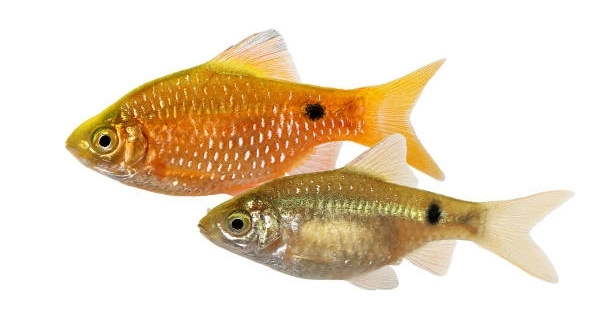
Rosy barbs are popular freshwater fish known for their vibrant colors and lively behavior. Keeping them healthy requires attention to subtle signs that may indicate illness. Recognizing these signs early can prevent serious health problems for your fish.
There are several indicators of sickness in rosy barbs, including changes in coloration, erratic swimming, loss of appetite, visible spots or lesions, clamped fins, labored breathing, and lethargy. Monitoring these symptoms closely helps maintain their well-being and promotes timely treatment.
Knowing these signs can help you act quickly to protect your rosy barbs and ensure they stay healthy and active in your aquarium.
Changes in Coloration
Rosy barbs typically have a bright, rosy-red hue that signals good health. When they become sick, their colors often fade or dull noticeably. This color loss is usually one of the first signs that something is wrong. Stress, poor water quality, or illness can cause this change. If you notice your rosy barb losing its vibrant color, it’s important to check the tank conditions immediately. Ensuring the water is clean and parameters like pH and temperature are stable can help. Sometimes, color fading is temporary, but persistent dullness usually points to an underlying health problem that needs attention.
Faded or dull coloration often means the fish is under stress or fighting an illness. Addressing this early can prevent further complications.
Watching your rosy barb’s color daily gives you an early warning system. When the color dims, test the water quality and consider possible infections or parasites that might need treatment.
Erratic Swimming Behavior
Erratic swimming in rosy barbs includes darting suddenly, swimming in circles, or struggling to maintain balance. These behaviors indicate discomfort or neurological issues caused by infections or poor water conditions. When fish swim abnormally, it often reflects internal problems like parasites affecting their nervous system or toxins in the water. These issues can worsen quickly if ignored. Sometimes, new tankmates or sudden changes in environment can also cause stress leading to unusual swimming patterns. Observing your fish’s movement regularly allows you to spot such changes promptly. Improving water quality, isolating the affected fish, and seeking appropriate medication may be necessary steps to help restore normal swimming behavior and overall health.
Loss of Appetite
A sick rosy barb often stops eating or shows less interest in food. This behavior is a clear sign something is wrong.
Loss of appetite can be caused by stress, infections, or poor water conditions. When fish feel unwell, their bodies prioritize fighting illness over eating. This can weaken them further if not addressed quickly. Offering fresh, high-quality food and checking water parameters can help. Sometimes, fasting the fish for a day before reintroducing food improves digestion and encourages eating. Keeping track of feeding habits daily helps identify changes early, allowing for timely care.
Persistent refusal to eat may indicate serious health issues like internal parasites or bacterial infections. In such cases, treating the tank or isolating the affected fish is necessary to prevent worsening conditions and to support recovery.
Visible Spots or Lesions
White or red spots and lesions on a rosy barb’s body usually indicate infections or parasites. These symptoms require prompt action to prevent spreading.
Spots often appear due to fungal or bacterial infections, or parasites like ich. Lesions may develop from physical injuries or worsening infections. Proper diagnosis is important for effective treatment. Quarantining the affected fish helps control disease spread. Maintaining clean water and proper nutrition supports healing. Observing the type, size, and location of spots helps identify the specific problem and guides the right medication choice.
Ignoring these signs can lead to serious health decline or death. Early treatment increases the chance of full recovery and protects other tank inhabitants.
Clamped Fins
Clamped fins occur when a rosy barb holds its fins tightly against its body instead of spreading them out. This is a sign of stress or illness.
This behavior often means the fish is uncomfortable due to poor water conditions or disease. It should not be ignored, as it can lead to further health problems.
Labored Breathing
Labored breathing is noticeable when a rosy barb’s gill movements become rapid or exaggerated. This condition often points to low oxygen levels or gill infections. Poor water quality can also cause this symptom. Addressing water circulation and cleanliness is essential to help the fish breathe normally again.
Lethargy
Lethargy shows when a rosy barb is unusually inactive or rests more than normal. It can indicate sickness or stress and requires attention.
FAQ
What should I do if my rosy barb shows signs of illness?
First, test the water quality to ensure proper parameters such as pH, ammonia, nitrite, and nitrate levels. Clean the tank if necessary, and perform partial water changes. Isolate the sick fish in a quarantine tank if possible to prevent spreading disease. Observe closely for symptoms and consider using appropriate medications after identifying the problem. Providing a stress-free environment with good nutrition supports recovery.
How can I prevent illness in my rosy barbs?
Maintaining stable water conditions is the best prevention. Regularly test and change the water to keep it clean. Avoid overcrowding the tank and feed a balanced diet suitable for rosy barbs. Quarantine new fish before adding them to the main tank to avoid introducing diseases. Keeping the aquarium equipment clean also helps reduce infection risk.
Are color changes always a sign of sickness?
Not always. Rosy barbs’ colors can fade temporarily due to stress, changes in lighting, or breeding behavior. However, prolonged dullness combined with other symptoms usually signals health issues that need attention.
Why do rosy barbs swim erratically?
Erratic swimming may result from poor water quality, parasites, or neurological problems. Sudden changes in the environment or aggressive tankmates can also cause stress, leading to abnormal movement. Identifying and addressing the cause is important to help the fish recover.
What causes clamped fins in rosy barbs?
Clamped fins are usually caused by stress, poor water conditions, or illness. It is a protective response indicating the fish is uncomfortable or unwell. Improving water quality and treating infections can help restore normal fin posture.
How can I tell if my rosy barb has parasites?
Parasites often cause visible spots, scratching against objects, rapid breathing, and loss of appetite. White spots (ich) are common signs. Quarantine the affected fish and treat the tank with appropriate anti-parasitic medication to control the infection.
Is lethargy a serious sign?
Lethargy can indicate serious illness or stress but may sometimes be temporary due to environmental changes. Persistent lethargy should be investigated by checking water quality and observing for other symptoms.
Can diet affect my rosy barb’s health?
Yes, a poor or unbalanced diet weakens the immune system and increases vulnerability to disease. Feeding a varied diet rich in proteins and nutrients supports overall health and helps fish fight illness.
How long does it take for rosy barbs to recover from sickness?
Recovery time varies depending on the illness and treatment. Minor stress or mild infections may improve within days, while serious infections could take weeks. Consistent care and a clean environment speed up recovery.
When should I seek professional help for my rosy barb?
If symptoms worsen despite treatment or if multiple fish are affected, consult a veterinarian specializing in fish or an experienced aquarist. Early expert advice can prevent deaths and improve treatment outcomes.
Final Thoughts
Taking care of rosy barbs means paying close attention to their behavior and appearance. These fish are generally hardy but can become sick if their environment is not well maintained. Recognizing the common signs of illness early, such as changes in color, loss of appetite, or unusual swimming, helps prevent more serious problems. Regular observation is key because many health issues start with small, subtle symptoms. Catching these signs early allows you to take action before the fish’s condition worsens.
Maintaining good water quality is one of the most important steps to keep rosy barbs healthy. This includes checking the water regularly for ammonia, nitrites, nitrates, and pH levels. Performing routine water changes and keeping the tank clean can reduce stress and lower the risk of disease. Proper filtration and aeration also support a stable environment. In addition to water quality, feeding your rosy barbs a balanced diet supports their immune system and overall well-being. Fresh, high-quality food and occasional treats like live or frozen foods can make a big difference.
If you notice any signs of illness, acting quickly is essential. Isolating the sick fish in a quarantine tank helps protect the rest of the aquarium. You may need to use medication depending on the symptoms, but always follow instructions carefully. Avoid overcrowding the tank, as stress from too many fish can worsen health problems. With consistent care and attention, most rosy barbs recover well and return to their active, colorful selves. Keeping these points in mind helps create a healthy environment where your rosy barbs can thrive for a long time.

Hello,
If you enjoy the content that we create, please consider saying a "Thank You!" by leaving a tip.
Every little bit helps us continue crafting quality advice that supports the health, happiness, and well-being of pets around the world, for pets of all shapes, sizes, and species.
We really appreciate the kindness and support that you show us!