
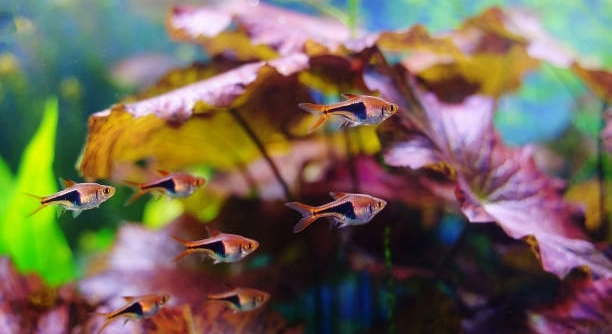
Many fish owners enjoy watching their rasboras explore the tank. These small fish often show behaviors that can seem confusing. Understanding whether they are curious or scared helps create a better environment for them.
Rasboras display curiosity through consistent, calm movements toward new objects or changes in their environment. Unlike fear, which triggers sudden darting or hiding, curiosity makes them investigate without stress. These indicators show their comfort and interest rather than alarm.
Recognizing these signs can improve how you care for your fish and help create a peaceful tank atmosphere. Learning about their behavior enriches the experience of keeping rasboras as pets.
How Rasboras Approach New Objects
When a new object is placed in the tank, rasboras often show interest by swimming slowly toward it. They circle around the object, sometimes touching it lightly with their noses. This behavior is a good sign that they are curious and comfortable. You might notice them pausing nearby, watching carefully before moving on. They don’t make quick, jerky movements or hide immediately, which means they feel safe. Instead, their exploration is calm and steady, showing they want to learn about the change rather than escape it. This gentle investigation helps them understand their environment and adapt to new things.
Watching this behavior closely can help you tell the difference between curiosity and fear. If they approach slowly and return after a brief swim away, they are more likely curious. This kind of behavior also shows they trust their surroundings and do not feel threatened by minor changes in their tank.
These slow, thoughtful movements tell you a lot about how your rasboras are feeling. They are cautious but not scared, eager to check things out while still keeping a safe distance. This balanced approach shows their natural instinct to explore without risking danger.
Interaction with Other Fish
Rasboras often swim close to other fish they know.
When rasboras feel curious, they swim near their tank mates without causing stress or quick movements. They might swim side by side or follow gently. If they were scared, they would hide or dart away from other fish. Watching these interactions can show you whether your rasboras are comfortable in their group or feeling uneasy. This helps you understand their social behavior and emotional state better. Observing these peaceful, calm behaviors allows you to see their curiosity in action.
Body Language of Curious Rasboras
Curious rasboras show relaxed body language. Their fins are spread naturally, and their movements are smooth and steady.
Their body posture reflects calmness. When curious, rasboras swim with a steady pace, not darting suddenly. Their fins stay open, signaling they feel safe. They often hover near new things or swim slowly in open water, showing no signs of panic. If they were scared, their fins would be clamped close to their bodies, and they would hide or swim erratically. This clear difference in body language helps identify their true feelings in various situations.
Noticing these subtle cues makes it easier to tell if your fish are exploring with interest or reacting out of fear. Calm swimming and relaxed fins indicate a healthy, curious state, which means your tank environment supports their comfort well.
Responses to Movement Around the Tank
Rasboras respond differently to movements outside the tank depending on how they feel inside.
When rasboras are curious, they often swim toward the glass and watch movements without panic. They show interest by approaching slowly or following the motion calmly. This behavior suggests they are aware but not threatened by what’s happening. On the other hand, scared rasboras dart away quickly or hide behind plants when they notice sudden movements. Their reaction time is sharp, but their response is to escape, not to explore. Watching how they respond to your presence or other external motions can help you better understand their comfort level and emotional state. These responses show their adaptation to their environment and how they balance caution with curiosity.
Eye Movements and Focus
Curious rasboras fix their gaze on new objects or movements calmly. Their eyes follow slowly without sudden shifts.
If they were scared, their eyes dart quickly, showing nervousness. Calm focus shows they are interested, not frightened, allowing better observation of their surroundings.
Feeding Behavior Differences
When curious, rasboras come forward eagerly during feeding. They swim confidently to grab food and often explore the area around the feeding spot. This behavior shows they feel safe and interested in what’s happening.
Exploring New Tank Areas
Rasboras show curiosity by gradually moving into new parts of the tank. They check unfamiliar spots carefully without rushing. This steady exploration means they are comfortable and ready to expand their territory.
Reaction to Tank Mates’ Behavior
Curious rasboras observe other fish quietly. They do not panic or swim away quickly but watch calmly, indicating they feel secure with their companions.
How can I tell if my rasbora is curious or scared?
Curious rasboras move calmly and steadily toward new things. They explore slowly and don’t hide immediately. Their fins are relaxed and open, and they hover near objects or movements without sudden escapes. Scared rasboras dart quickly, hide behind decorations, or clamp their fins close to their bodies. Watching their body language and movement speed helps distinguish curiosity from fear.
Why do rasboras sometimes swim away quickly but then come back?
This behavior often shows cautious curiosity. Rasboras may swim away at first to stay safe but return once they feel no threat is present. It means they are interested but still aware of potential risks. This pattern helps them learn about their environment without putting themselves in danger.
What causes rasboras to hide often?
Frequent hiding usually signals stress or fear. Common causes include sudden changes in tank conditions, aggressive tank mates, poor water quality, or loud noises near the tank. If your rasboras hide most of the time, check these factors and improve their environment to make them feel safe.
Do rasboras interact differently when they feel curious?
Yes, curious rasboras swim near each other calmly and may follow one another while exploring. They show interest in their surroundings together without frantic movements. This social curiosity helps them feel secure and encourages natural behaviors.
How does tank lighting affect rasbora behavior?
Bright or harsh lighting can make rasboras nervous and cause hiding. Soft, natural lighting helps them feel relaxed and more willing to explore. Adjusting light levels to mimic their natural habitat encourages curious behavior.
Can feeding habits show if rasboras are curious or scared?
Definitely. Curious rasboras approach food eagerly and explore the feeding area confidently. Scared fish may stay hidden or hesitate to eat. Regular feeding routines and a calm environment promote curiosity during feeding times.
Is it normal for rasboras to follow my hand outside the tank?
Yes, this usually means they are curious and recognize gentle movement without feeling threatened. Rasboras that stay calm near the glass and follow slow hand movements show trust and interest.
What tank setup encourages curiosity in rasboras?
A tank with plenty of plants, hiding spots, and open swimming areas helps rasboras feel secure yet interested in exploring. Stable water conditions and low stress also support their natural curious behavior.
How do changes in the tank affect rasbora behavior?
Rasboras may initially act cautious or hide when new decorations or fish are added. However, if they return to exploring calmly, it shows curiosity. Sudden or drastic changes can cause lasting fear, so gradual adjustments are best.
When should I be worried about my rasbora’s behavior?
If rasboras hide constantly, refuse food, or show erratic movements for long periods, it could indicate illness or severe stress. Consulting a specialist or checking water quality and tank mates is important in these cases.
Understanding whether your rasboras are curious or scared helps you create a better environment for them. When rasboras explore calmly, approach new objects, or watch movements without panic, it shows they feel safe. This means their tank conditions, such as water quality, lighting, and tank mates, are likely good. Watching how your fish behave daily gives you clues about their comfort and well-being. Small changes in their actions, like sudden hiding or fast swimming, may mean they feel scared or stressed. Paying attention to these signs allows you to respond quickly and improve their surroundings.
Creating a tank where rasboras feel comfortable encourages their natural curiosity. Providing enough plants, hiding places, and open swimming space helps them explore without fear. Regular feeding and gentle interactions also build their trust in their environment. When you notice your rasboras investigating new things or swimming close to you at feeding time, it is a positive sign. These behaviors mean they are interested and confident, not fearful. Keeping the tank stable and avoiding sudden changes will help maintain their sense of security.
Overall, knowing how to read your rasboras’ behavior makes fishkeeping more rewarding. You learn to see the difference between stress and interest in their movements and body language. This knowledge helps you support their health and happiness in the long run. Watching your rasboras grow curious rather than scared is a sign that you are meeting their needs well. By continuing to observe and care for them thoughtfully, you help create a peaceful, thriving aquarium where your fish can enjoy their natural instincts safely.

Hello,
If you enjoy the content that we create, please consider saying a "Thank You!" by leaving a tip.
Every little bit helps us continue crafting quality advice that supports the health, happiness, and well-being of pets around the world, for pets of all shapes, sizes, and species.
We really appreciate the kindness and support that you show us!