
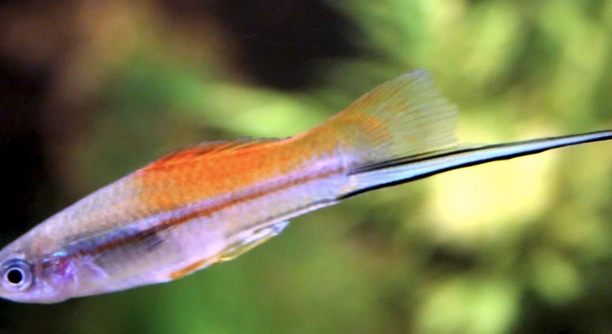
Swordtails are vibrant and popular aquarium fish, often admired for their beauty and lively nature. However, when not properly nourished, they can face a range of health issues that might affect their behavior and appearance.
Poor nutrition in swordtails can lead to various signs such as slow growth, faded colors, lethargy, and digestive problems. Inadequate feeding, unbalanced diets, or feeding improper foods may result in these unhealthy indicators.
Understanding these warning signs is key to improving your swordtail’s health and overall well-being. Recognizing these signs early can make all the difference in keeping your fish happy and vibrant.
Slow Growth and Stunted Development
One of the first signs that swordtails are not getting the proper nutrition is slow growth. These fish typically grow quickly when they receive a balanced diet, but when their food lacks essential nutrients, they may struggle to develop. This can leave them smaller than they should be for their age, with a noticeable difference in size compared to healthy fish in similar conditions. If you notice your swordtail is growing much slower than others, it could be a sign of poor nutrition.
Improper diet affects their energy levels and overall development. If the fish doesn’t get enough vitamins or protein, it can’t grow properly, leading to a small, weak fish.
To ensure your swordtail grows properly, focus on a varied diet. High-quality pellets, live or frozen foods, and occasional plant matter can provide the right nutrients. A lack of diversity in their food can hinder their ability to thrive. Consistency in feeding and offering a proper mix of proteins and fiber is key. This will help swordtails grow to their full potential.
Faded Colors and Dull Appearance
When swordtails aren’t fed properly, their colors may begin to fade. These fish are known for their bright, striking hues, but without a nutrient-rich diet, those vibrant colors can become dull. A lack of necessary nutrients, like carotenoids, can directly affect their pigmentation. This makes them look less healthy and less lively.
The key to vibrant colors is providing the right foods that support their natural coloring. Carotenoids, found in foods like brine shrimp, bloodworms, and certain plant-based foods, are essential for enhancing their hues. Make sure your swordtail’s diet includes these nutrients to maintain its beautiful colors. A faded swordtail might be signaling that it’s not getting enough of the right food.
Lethargy and Decreased Activity
Swordtails that aren’t fed a proper diet can become lethargic, spending more time lying still rather than swimming around. This is often a sign of a lack of energy, which can result from insufficient nutrients. You might notice your swordtail becoming less active over time.
If your swordtail isn’t moving much, it could be due to a lack of essential vitamins or protein. When they don’t get enough nutrition, their bodies can’t produce the energy needed for normal activities. A varied and well-balanced diet is key to keeping them energetic and active.
Feeding your swordtail high-quality food that includes a mix of protein, fiber, and vitamins can help prevent lethargy. Be sure to offer a balanced combination of flakes, pellets, and occasional live or frozen foods like brine shrimp or daphnia. This will keep their energy up and help them stay active and healthy.
Digestive Issues and Constipation
When swordtails aren’t getting the right food, they can experience digestive issues like constipation. Constipation in fish can be caused by a lack of fiber or overfeeding. You may notice that your swordtail isn’t passing waste as regularly or seems uncomfortable.
Providing the right amount of fiber is essential to avoid digestive problems. Vegetables like spinach or zucchini can help promote healthy digestion. Overfeeding is another common issue, as it can overwhelm their digestive system. Feeding smaller, balanced meals can help avoid constipation and bloating.
Make sure to remove any uneaten food promptly to prevent water contamination. A proper diet will not only keep your swordtail’s digestion on track but also improve their overall health. It’s important to maintain a feeding routine that includes a variety of nutrient-rich foods to prevent digestive problems.
Poor Fin Condition
Swordtails with poor nutrition may show signs of unhealthy fins. If their fins are torn, frayed, or clamped, it’s a sign that something is wrong. Malnutrition can weaken their immune system, making them more vulnerable to infections and stress.
A weak immune system can make it harder for swordtails to heal from any damage to their fins or bodies. The lack of proper nutrients, such as vitamins and minerals, can leave them more susceptible to diseases. Pay attention to their fin condition as it may indicate larger health concerns linked to poor nutrition.
Changes in Behavior
Swordtails that aren’t getting enough nutrients might act differently. They may become more aggressive, hide more, or even stop interacting with other fish. Behavioral changes like this are often signs of stress or poor health caused by an unbalanced diet.
If you notice any of these changes, it’s essential to evaluate their diet and feeding habits. Ensure they are getting a variety of nutrients that support both physical and mental health. A balanced diet helps swordtails feel secure, active, and more likely to thrive in a community tank.
Loss of Appetite
A swordtail that has lost its appetite could be showing signs of poor nutrition. When they aren’t getting the right foods, their hunger can decrease, making them less likely to eat. Lack of appetite can lead to malnutrition, weakening the fish over time.
This behavior often indicates that something is off with their food or feeding routine. Swordtails are typically eager eaters, so if they stop eating, it’s essential to check the type and variety of food being offered.
FAQ
What are the best foods for swordtails?
Swordtails require a varied diet to stay healthy. High-quality fish pellets or flakes should be the base of their diet, as they provide essential vitamins and minerals. Additionally, supplementing their meals with live or frozen foods like brine shrimp, bloodworms, and daphnia can help boost their protein intake. Swordtails also benefit from some plant matter, such as spinach, zucchini, or algae wafers, which provide fiber to aid digestion. Offering a mix of these foods will ensure they get the right nutrients for growth, energy, and vibrant colors.
How often should I feed my swordtail?
You should feed your swordtail two to three times a day, offering only what they can consume in a few minutes. Overfeeding can lead to excess waste in the tank and digestive issues, so it’s important to avoid leaving uneaten food in the water. Young swordtails may need more frequent feedings, while adults can do well with fewer meals. Monitor their eating habits and adjust the quantity of food accordingly to prevent overfeeding and ensure they’re getting the nutrients they need.
Can swordtails survive on only flake food?
While swordtails can survive on flake food alone, it’s not the most ideal diet for their long-term health. Flakes often lack some of the essential proteins and nutrients that swordtails need to thrive, particularly when it comes to natural color enhancement and immune function. Incorporating live or frozen foods like brine shrimp and bloodworms is highly beneficial for providing the necessary protein and fat that flakes cannot offer. A diverse diet is key to keeping your swordtail healthy, active, and vibrant.
What happens if swordtails are overfed?
Overfeeding swordtails can lead to a range of problems, including obesity, digestive issues, and water quality deterioration. When swordtails eat too much, uneaten food can decompose in the tank, causing ammonia spikes that can stress the fish and harm their health. Additionally, overfed swordtails may become lethargic, as their bodies are weighed down by excess food. To avoid these issues, feed your swordtail only what they can consume in 2-3 minutes and remove any uneaten food promptly.
Why are my swordtail’s colors fading?
Faded colors in swordtails are often a sign of poor nutrition. A lack of essential nutrients like carotenoids, which are found in foods such as brine shrimp, bloodworms, and certain vegetables, can cause their bright colors to dull. Poor water quality or stress can also contribute to color fading. Ensuring a balanced diet rich in these nutrients and maintaining clean, stable water conditions can help restore and enhance their natural colors.
How can I tell if my swordtail is sick from poor nutrition?
A swordtail suffering from poor nutrition may show signs such as lethargy, faded colors, weight loss, or slow growth. If your swordtail has difficulty swimming, seems to have a lack of appetite, or experiences digestive issues like constipation, it could be linked to nutritional deficiencies. In more severe cases, their immune system may weaken, leaving them more prone to infections. Monitoring their behavior and appearance is crucial, and if you notice these signs, you should adjust their diet and check the water conditions to ensure a healthy environment.
Can I feed my swordtail vegetables?
Yes, swordtails can eat certain vegetables as part of a balanced diet. Leafy greens like spinach, lettuce, and dandelion greens are great choices. You can also offer zucchini, peas, and cucumbers. Vegetables provide the necessary fiber to keep their digestive system healthy. Make sure to blanch hard vegetables, like zucchini, before offering them to your swordtail to make them easier to digest. Feed these vegetables in moderation alongside their regular protein-based foods for a balanced diet.
Do swordtails need supplements?
In most cases, a varied and high-quality diet will provide all the essential nutrients your swordtail needs, so supplements aren’t usually necessary. However, if your swordtail shows signs of poor health, such as dull colors or lethargy, you may consider adding a supplement like a vitamin or mineral powder. Always check the ingredients before adding anything to the tank, as over-supplementing can be harmful. Most swordtails will thrive on a good mix of high-quality pellets, live or frozen foods, and occasional vegetables.
Can swordtails eat live food?
Swordtails can absolutely eat live food, and it’s highly beneficial for their health. Live food, such as brine shrimp, bloodworms, or daphnia, provides a rich source of protein and essential nutrients that support growth, energy, and immune function. Offering live food 2-3 times a week can enhance their diet and keep them active. Just make sure to source live food from a reliable supplier to avoid introducing parasites or diseases into your tank.
Why is my swordtail not eating?
A swordtail that isn’t eating may be stressed, sick, or not getting the right kind of food. Stress can come from poor water quality, aggressive tankmates, or an environment that doesn’t meet their needs. If your swordtail has lost its appetite for more than a day or two, check the water parameters (pH, ammonia, nitrate levels) and ensure they are within the appropriate range. Also, try offering different types of food to see if they are more interested. If they continue to refuse food, it could be a sign of an underlying health problem.
Final Thoughts
Maintaining proper nutrition for your swordtail is essential for its health and well-being. A balanced diet that includes a variety of foods, such as high-quality pellets, live or frozen foods, and some plant matter, will help ensure that your swordtail gets the nutrients it needs. Over time, if their diet is lacking, swordtails may exhibit signs like slow growth, faded colors, or even digestive issues. Recognizing these signs early allows you to make adjustments before things get worse. Providing the right food isn’t just about feeding your fish—it’s about supporting their overall vitality and happiness.
Swordtails are relatively easy to care for, but like all pets, they require attention to detail. Their diet should be balanced, not only to prevent health issues but also to help them maintain their vibrant colors and active behavior. Regularly observe your swordtail and assess its condition, paying attention to any changes in behavior, appearance, or eating habits. These small but noticeable signs will often tell you if something isn’t quite right with their diet. Adjusting their feeding routine or introducing new foods can go a long way in keeping them in top condition.
Taking good care of your swordtail doesn’t have to be complicated. By providing a variety of nutritious foods and keeping an eye on their health, you can ensure your swordtail thrives for many years. Their well-being will reflect the care you give them, and a healthy swordtail is not only a joy to watch but also a reflection of the positive environment you’ve created for them. With the right nutrition, your swordtail will continue to be a beautiful and active addition to your aquarium.

Hello,
If you enjoy the content that we create, please consider saying a "Thank You!" by leaving a tip.
Every little bit helps us continue crafting quality advice that supports the health, happiness, and well-being of pets around the world, for pets of all shapes, sizes, and species.
We really appreciate the kindness and support that you show us!