
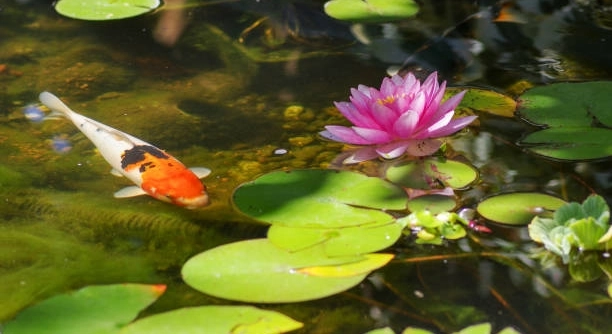
Koi ponds add beauty and tranquility to outdoor spaces but require careful planning. Poor design can lead to problems that affect both the pond’s appearance and the health of the fish living in it. Identifying issues early helps prevent costly repairs.
Seven key indicators of poor koi pond design include inadequate filtration, improper water circulation, insufficient depth, poor placement, lack of shade, ineffective aeration, and unsuitable materials. Each factor impacts water quality, fish health, and overall pond stability.
Recognizing these signs allows pond owners to make necessary improvements and maintain a healthy, attractive environment for their koi fish. The following details explain these indicators clearly and simply.
Inadequate Filtration
A well-designed koi pond needs a filtration system capable of handling the volume of water and the waste produced by the fish. If the filter is too small or poorly maintained, waste will accumulate, leading to cloudy water and harmful toxin buildup. Over time, poor filtration causes algae blooms, reduces oxygen levels, and stresses the fish. This can lead to illness or even death. It is essential to match the filter capacity to the pond size and regularly clean or replace filter media to maintain water quality. A balanced filtration system not only keeps the pond clear but also supports a stable and healthy environment for koi. Proper filtration requires considering both mechanical removal of debris and biological filtration to break down harmful substances.
Poor filtration causes water quality issues that directly affect fish health and pond clarity. Effective filtration is a key factor in a well-functioning pond ecosystem.
Maintaining filtration systems requires routine attention. Cleaning mechanical filters frequently prevents clogging and loss of efficiency. Biological filters need time to develop beneficial bacteria, so avoiding chemical treatments that kill these bacteria is important. Using multiple filtration stages improves results by capturing large debris and then breaking down dissolved waste. Monitoring water parameters like ammonia, nitrites, and nitrates also helps gauge filtration effectiveness. Investing time and care into filtration improves koi longevity and pond enjoyment.
Improper Water Circulation
Poor water circulation creates stagnant areas that affect oxygen levels and water quality. Without proper flow, waste accumulates and fish may avoid certain pond areas. Circulation depends on pump placement, pond shape, and the use of waterfalls or streams to move water. A pump that is too weak or incorrectly positioned will fail to circulate the entire pond effectively. Good circulation distributes oxygen evenly and supports beneficial bacteria in the filter. It also helps prevent ice from forming over the entire surface in winter, protecting koi. Checking circulation patterns regularly and adjusting pump settings can correct problems.
Water circulation is essential to a healthy koi pond, ensuring oxygen distribution and waste removal.
To improve circulation, place pumps where water movement reaches all pond areas, especially corners and deep spots. Using waterfalls or aerators increases oxygen levels and stimulates circulation. Avoid dead zones by shaping the pond to encourage flow, using rounded edges rather than sharp corners. Circulation should balance water movement without causing excessive currents that stress koi. Regular inspections can identify stagnation before it causes problems. A well-circulated pond maintains water clarity, fish health, and overall balance.
Insufficient Depth
Koi need adequate depth to thrive, especially during seasonal changes. Shallow ponds risk temperature fluctuations and predator attacks.
A pond less than three feet deep exposes koi to temperature swings that stress their immune systems. In winter, shallow ponds may freeze solid or allow cold temperatures to reach the fish, increasing mortality risk. Deeper ponds provide a stable environment and refuge from predators like herons or raccoons. Depth also affects oxygen levels, as deeper water tends to hold more oxygen. When designing a pond, aim for at least three to four feet in depth to protect koi year-round.
Inadequate depth limits koi growth and survival. It reduces swimming space, which can cause stress and stunted growth. A deeper pond supports natural behaviors and promotes healthier fish. Proper depth helps maintain stable water conditions, which benefits the entire pond ecosystem. Prioritizing this element improves koi welfare significantly.
Poor Placement
Placing a koi pond in the wrong location can cause many problems. Avoid full sun or dense shade spots.
Direct sunlight increases water temperature and promotes algae growth, which can degrade water quality and reduce oxygen levels. Too much shade limits sunlight needed for beneficial plants and microorganisms. Placement near trees risks debris like leaves and twigs falling into the pond, clogging filters and raising maintenance demands. The ideal site offers partial sun and protection from strong winds. It should be visible and accessible for regular care while minimizing exposure to external hazards. Thoughtful placement improves pond balance and reduces ongoing problems.
Selecting a proper location requires balancing sun exposure and shelter. Partial sunlight supports aquatic plants that help oxygenate water and compete with algae. Avoid areas prone to flooding or soil erosion, which can damage pond structure. Position the pond where it’s convenient for maintenance tasks like cleaning and feeding. Nearby power sources help operate pumps and filters efficiently. Planning placement carefully reduces risks, lowers upkeep, and promotes a stable environment for koi to flourish.
Lack of Shade
Too much direct sunlight can cause water temperature to rise quickly. This stresses koi and encourages algae growth.
Shade helps keep the water cool and reduces harmful UV rays. Strategically placed plants or structures offer natural protection without blocking all sunlight, supporting a balanced pond environment.
Ineffective Aeration
Proper aeration increases oxygen levels essential for koi health. Without enough oxygen, fish become stressed and more vulnerable to disease.
Aeration also promotes beneficial bacterial growth that breaks down waste. Systems like air pumps, fountains, or waterfalls add oxygen while improving water movement. Regularly checking aeration equipment ensures it functions well. Maintaining sufficient oxygen prevents common pond problems and supports a healthy koi habitat.
Unsuitable Materials
Using poor-quality or inappropriate materials can damage the pond structure and water quality. Avoid materials that degrade quickly or leach harmful substances.
Selecting durable liners, safe rocks, and non-toxic sealants ensures longevity and protects koi from exposure to toxins or leaks.
What are the most common signs of poor koi pond design?
Common signs include cloudy or green water, frequent algae blooms, unhealthy or stressed fish, unpleasant odors, excessive debris buildup, and mechanical failures in filtration or pumps. Shallow water and uneven circulation can also indicate design flaws. These signs often show the pond is not balanced or properly maintained.
How does poor filtration affect koi health?
Inadequate filtration allows toxins like ammonia and nitrites to accumulate. These chemicals are harmful to koi, causing stress, weakened immune systems, and sometimes fatal diseases. Poor filtration also leads to excessive organic waste, cloudy water, and algae growth, which reduce oxygen availability and create an unhealthy environment for the fish.
Why is pond depth important for koi survival?
Depth protects koi from temperature extremes and predators. Shallow ponds warm up and cool down quickly, which stresses fish and increases disease risk. Deep ponds provide cooler water in summer and prevent freezing in winter. This stable environment supports koi health and growth by maintaining consistent conditions.
How can poor water circulation impact a koi pond?
Poor circulation creates stagnant zones where debris and waste collect. These areas have low oxygen, which harms koi and encourages harmful bacteria and algae. Circulation distributes oxygen evenly, supports filtration, and maintains water clarity. Without proper flow, koi may avoid parts of the pond, reducing their swimming space and increasing stress.
What role does shade play in koi pond design?
Shade helps regulate water temperature and reduces harmful UV exposure. Without shade, water temperatures can rise too high, stressing koi and promoting algae blooms. Partial shading from trees or structures creates a balanced environment, protecting fish while allowing enough sunlight for beneficial plants and natural processes.
Why is the choice of materials critical in pond construction?
Materials affect pond durability and water quality. Poor-quality liners can leak or release harmful chemicals. Rough or porous stones may harbor algae and bacteria. Non-toxic, long-lasting materials protect koi from toxins and ensure the pond structure remains intact, reducing maintenance needs and preventing costly repairs.
How often should filtration systems be maintained?
Filtration systems need regular cleaning to prevent clogs and maintain efficiency. Mechanical filters should be rinsed every few weeks, while biological filters require less frequent cleaning to preserve beneficial bacteria. Inspecting and replacing worn filter media ensures optimal water quality and healthy conditions for koi.
What is the best way to improve water circulation in an existing pond?
Improving circulation can involve repositioning pumps to cover dead zones, adding waterfalls or fountains, and shaping the pond to encourage flow. Using multiple circulation points helps distribute oxygen and prevent stagnation. Adjusting pump flow rates balances movement without stressing fish.
Can poor placement cause ongoing koi pond problems?
Yes, placing a pond in full sun or heavy shade affects water temperature and algae growth. Nearby trees increase debris, complicating maintenance. A poorly placed pond can also suffer from wind exposure, causing water evaporation and temperature swings. Proper site selection is key for long-term pond health.
What are signs that koi are stressed due to pond design?
Signs include lethargy, loss of appetite, erratic swimming, faded colors, and physical damage like torn fins. Stress often results from poor water quality, temperature extremes, or lack of hiding spots. Identifying stress early helps address design issues before serious health problems occur.
Is aeration necessary if there is good filtration?
Aeration and filtration serve different purposes. Filtration cleans water by removing waste and toxins, while aeration increases oxygen levels. Even with good filtration, aeration is important to maintain oxygen, especially in warmer weather or crowded ponds. Aeration also improves circulation and supports beneficial bacteria.
How does pond shape affect design effectiveness?
Simple shapes with rounded edges promote better water flow and reduce dead zones. Complex shapes with sharp corners trap debris and create stagnant areas. A well-designed shape supports circulation, simplifies cleaning, and provides ample swimming space for koi.
What maintenance practices support a well-designed koi pond?
Routine tasks include checking water quality, cleaning filters, removing debris, trimming plants, and monitoring fish health. Regular inspections of pumps and aeration systems prevent failures. Consistent maintenance preserves pond balance and prevents problems caused by poor design.
Are certain plants better suited for koi ponds?
Yes, hardy aquatic plants that provide shade, oxygen, and natural filtration are ideal. Examples include water lilies, lotus, and submerged oxygenators. Plants help control algae by competing for nutrients and create hiding spots for koi, reducing stress and improving the pond environment.
How does winter affect koi pond design considerations?
Winter requires sufficient depth to prevent freezing and stable oxygen levels. Aeration systems or pond heaters can maintain water quality during cold months. Designing for seasonal changes ensures koi survival and reduces winter-related stress or fatalities.
What should be avoided when building a koi pond?
Avoid shallow depths, poor filtration, stagnant water zones, full sun exposure, and toxic materials. Overcomplicated designs with hard-to-maintain features can cause issues. Skipping proper planning or maintenance leads to persistent problems that harm koi health and pond aesthetics.
Final Thoughts
Designing a koi pond requires attention to many important details. The depth, placement, materials, filtration, aeration, and overall layout all play critical roles in creating a healthy environment for koi. Poor design choices in any of these areas can lead to water quality problems, stressed fish, and increased maintenance needs. It is essential to consider how each element affects the pond’s ecosystem and the well-being of the koi. Taking time to plan and execute a pond with these factors in mind results in a more balanced and sustainable habitat.
A well-designed pond provides stable water conditions that support koi health and growth throughout the year. Adequate depth protects fish from extreme temperatures and predators. Proper placement ensures the pond receives balanced sunlight, avoiding excess heat or shade. Reliable filtration and aeration systems maintain clean, oxygen-rich water. Using quality materials prevents leaks and contamination. Each aspect works together to create a safe, enjoyable space for koi and reduces the risk of costly repairs or frequent interventions. Good design also makes routine maintenance easier and more efficient.
Ultimately, the success of a koi pond depends on thoughtful design combined with consistent care. Monitoring water quality and fish behavior helps detect issues early, while regular maintenance keeps the pond functioning well. Improving design elements over time, such as adding shade or enhancing circulation, can further benefit the pond environment. Whether building a new pond or upgrading an existing one, focusing on these key indicators leads to a healthier habitat and happier koi. Careful planning and ongoing attention ensure the pond remains a rewarding feature for years to come.

Hello,
If you enjoy the content that we create, please consider saying a "Thank You!" by leaving a tip.
Every little bit helps us continue crafting quality advice that supports the health, happiness, and well-being of pets around the world, for pets of all shapes, sizes, and species.
We really appreciate the kindness and support that you show us!