
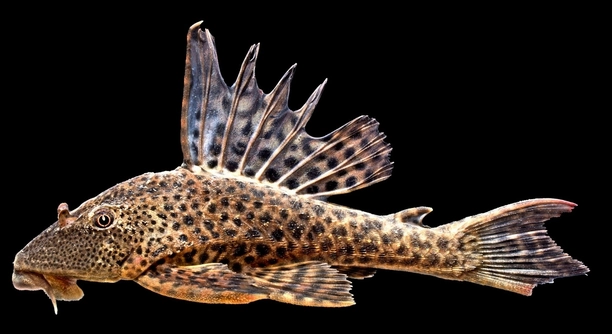
A healthy Plecostomus is essential for a thriving aquarium. Recognizing signs of good health can help you ensure your fish stays in peak condition. These indicators range from behavior to physical appearance, each offering valuable insight.
Healthy Plecostomus exhibit consistent activity levels, clear skin, and healthy feeding habits. A well-maintained environment, proper diet, and regular tank cleaning contribute to their well-being. Monitoring these factors will help identify any potential health concerns.
Paying attention to these indicators can help you maintain a healthy Plecostomus, ensuring long-term enjoyment in your aquarium.
Clear and Healthy Skin
A Plecostomus with clear skin is often a sign of good health. You should look for smooth, uniform skin without blemishes, lesions, or signs of distress. If your fish’s skin appears dull or discolored, it could be a sign of stress or illness. Healthy Plecos should have vibrant colors and a natural sheen. The condition of their skin is influenced by water quality, diet, and general care. Regular water changes and a balanced diet can help maintain their skin condition. If you notice any abnormal skin changes, it’s essential to address the issue promptly to avoid further health problems.
A healthy Plecostomus should also shed old skin regularly. This natural process occurs when the fish grows and keeps its skin fresh. However, if your fish is not shedding or shows excessive shedding, it could be due to environmental stress or poor water conditions. Monitoring these factors is crucial for maintaining skin health.
Keeping an eye on your Plecostomus’s skin condition will allow you to act quickly if anything unusual arises. Clean, clear skin is an excellent indicator that your fish is thriving and adjusting well to its tank environment.
Active and Engaged Behavior
Active behavior is a key sign of a healthy Plecostomus. A healthy fish will actively explore its environment, feed regularly, and interact with the tank setup. If your Pleco is inactive or seems lethargic, it might be an indication of stress or illness.
A lack of movement can signal underlying issues like poor water quality or insufficient food intake. Stress factors, such as overcrowding or inadequate hiding places, can also cause the Pleco to become more sedentary. This is especially true if the tank lacks suitable areas for the Pleco to hide or retreat, as they tend to be shy creatures. Providing proper hiding spots can help reduce stress and encourage natural behavior.
Ensuring a well-balanced environment with appropriate hiding spaces, clean water, and regular feeding will support your Plecostomus’s active nature. If these needs are met, your fish will be more likely to engage with its surroundings, maintaining overall health and well-being. Active behavior is often one of the first signs that everything is functioning well in your aquarium.
Healthy Feeding Habits
A Plecostomus with a healthy appetite is a strong indicator of well-being. It should actively consume algae, sinking pellets, or other food offerings without hesitation. If your fish consistently refuses food, it may be a sign of underlying health problems.
Consistent feeding is essential to a Pleco’s overall health. Their diet should be varied to ensure they receive all the nutrients necessary for growth and energy. If your Plecostomus isn’t eating, water quality issues or improper food choices could be at fault. Consider adjusting the water parameters and ensuring the food you offer meets their dietary needs.
A Plecostomus that eats regularly will also maintain a stable weight. If you notice your fish becoming too thin or gaining excessive weight, it may be time to review its diet. Healthy feeding habits are vital to keeping your Plecostomus strong and active.
Proper Growth Rate
Plecostomus grow steadily over time, but rapid or stunted growth can signal problems. A healthy fish will show consistent size changes within expected time frames, based on age and environment.
Proper growth is often tied to factors like water temperature, food quality, and tank space. If your Pleco isn’t growing as expected, it’s crucial to check the water quality and ensure the fish has enough space to thrive. Crowded conditions or poor water quality can significantly slow down or stunt growth. Additionally, an inadequate diet can prevent your Plecostomus from reaching its full potential.
Monitoring your Plecostomus’s growth is important for ensuring it remains healthy. If the fish is growing too slowly, too quickly, or not at all, it may be worth investigating its environment and diet to uncover potential issues. Growth rate can reflect many aspects of the fish’s health.
Clean, Clear Eyes
Clear, bright eyes are a strong sign that your Plecostomus is healthy. Any cloudiness, swelling, or discoloration in the eyes can indicate stress, infection, or other health issues. Healthy eyes should be alert and free from any noticeable abnormalities.
If your Pleco’s eyes are cloudy or bulging, it’s essential to act quickly. These symptoms can be linked to poor water conditions or an infection that could worsen if untreated. Regular water changes and maintaining good water parameters can help prevent eye-related health problems. Addressing the issue immediately can help protect your fish from further harm.
Consistent Behavior in Water
A healthy Plecostomus behaves consistently in water, especially when it comes to swimming. It should swim with ease and interact naturally with its environment. If it is unable to swim or shows signs of erratic movement, it may be experiencing an issue.
Monitoring your Pleco’s swimming behavior regularly will help you detect any abnormalities early. A healthy fish moves with a purpose, whether it’s grazing on surfaces or seeking refuge in its hiding spots. If your fish shows signs of floating unnaturally or drifting, it may indicate internal issues like swim bladder problems. Proper care of tank water, regular cleaning, and attention to environmental factors contribute to the overall health of your Plecostomus.
FAQ
What should I do if my Plecostomus is not eating?
If your Plecostomus refuses to eat, it’s important to first check the water conditions. Poor water quality can cause stress and affect the fish’s appetite. Ensure the water temperature is within the appropriate range and that pH and ammonia levels are stable. If the water checks out, try offering different foods, such as algae wafers or vegetables, to see if the Pleco is more interested. In some cases, a change in diet or feeding routine can stimulate their appetite. If the issue persists, consider consulting a vet or aquatic specialist to rule out any health problems.
How often should I feed my Plecostomus?
Feeding your Plecostomus once a day is usually sufficient. Overfeeding can lead to water quality issues, so it’s best to offer only what the fish can eat within a few hours. Plecos are bottom feeders and often eat algae, so including this in their diet is essential. If your Pleco isn’t finishing food within a few hours, it’s a good idea to reduce the quantity at each feeding. Additionally, it’s important to feed your Pleco a variety of foods to meet its nutritional needs.
Why is my Plecostomus staying near the surface of the tank?
Plecostomus are typically bottom dwellers and enjoy hiding in caves or near the substrate. If your fish is staying near the surface, it could be an indication of a water issue, such as low oxygen levels. Low oxygen concentrations can cause Plecos to surface more often to gulp air. Check the water parameters, including oxygen levels, and consider increasing aeration in the tank by adding an air stone or improving water movement with a filter.
Is it normal for my Plecostomus to get very large?
Yes, it is normal for Plecostomus to grow quite large. Some species can reach lengths of 12 to 24 inches in home aquariums. As they grow, it’s essential to ensure your tank is large enough to accommodate them. If your Plecostomus is getting too big for its tank, you might need to upgrade to a larger aquarium to give it enough space to thrive. The tank should provide sufficient hiding spots, and proper filtration is crucial to maintain water quality as the fish grows.
How do I know if my Plecostomus is stressed?
A stressed Plecostomus may exhibit several signs. Common symptoms include erratic swimming, staying in unusual places, or hiding excessively. It may also stop eating or show signs of aggression toward other tank mates. Stress can be caused by poor water quality, inappropriate tank mates, or insufficient hiding spaces. To help reduce stress, maintain stable water conditions and ensure that your Pleco has enough hiding spots. Providing a suitable environment can help your fish feel more secure and reduce stress.
Can my Plecostomus live with other fish?
Yes, Plecostomus are generally peaceful fish, but they can become territorial, especially as they grow larger. It’s important to choose compatible tank mates. Avoid aggressive species that may stress the Pleco or compete for food. Good companions for Plecostomus include peaceful bottom dwellers, small schooling fish, and other non-aggressive species. Providing plenty of hiding places can also help prevent territorial behavior and reduce stress.
Why is my Plecostomus not growing as expected?
If your Plecostomus isn’t growing as expected, it could be due to several factors. The most common causes are poor water quality, insufficient food, or overcrowding. Ensure your tank has adequate space and that the water parameters (temperature, pH, ammonia, and nitrate levels) are within the correct range. Check that your Pleco is receiving a balanced diet, including algae and sinking pellets. If growth is still slow, you may need to upgrade the tank size or improve the filtration system to support the fish’s development.
What temperature should my Plecostomus tank be?
Plecostomus generally prefer warmer water, with an ideal temperature range of 74°F to 80°F (23°C to 27°C). Water that is too cold can cause the fish to become sluggish and stress their immune system. On the other hand, temperatures above 80°F can cause oxygen depletion and increase the risk of disease. It’s important to use a reliable aquarium heater to maintain a consistent temperature. Regularly checking the tank’s temperature will help keep your Pleco healthy and active.
How can I tell if my Plecostomus has an infection?
If your Plecostomus shows any unusual behavior or physical signs, it could be suffering from an infection. Symptoms to look out for include swollen or cloudy eyes, lesions on the skin, or abnormal swimming behavior. The fish may also stop eating or hide excessively. If you notice any of these signs, it’s important to quarantine the fish and treat it with the appropriate medication. Consulting with an aquatic vet can help determine the exact cause of the infection and the best treatment options.
Can I keep a Plecostomus in a smaller tank?
While it’s possible to keep a juvenile Plecostomus in a smaller tank, it is important to remember that these fish can grow quite large. A small tank may not provide enough space for the Pleco to thrive long term. Plecos need plenty of swimming space, and a larger tank helps maintain good water quality as they grow. A minimum of a 75-gallon tank is recommended for an adult Plecostomus. It’s also crucial to consider filtration needs, as their waste can quickly affect water quality in smaller tanks.
Final Thoughts
Taking care of a Plecostomus can be a rewarding experience, as they are helpful in maintaining a clean tank. These fish are bottom dwellers that feed on algae and other debris, which helps keep your aquarium clean and balanced. However, it’s essential to ensure that their environment meets their needs. Proper water conditions, a suitable tank size, and a balanced diet are key to keeping your Plecostomus healthy and active.
One of the most important aspects of Plecostomus care is monitoring water quality. These fish are sensitive to poor water conditions, and maintaining the right pH, ammonia, and nitrate levels will help avoid stress and health issues. Regular water changes and good filtration systems are essential for keeping the tank environment stable. Additionally, providing plenty of hiding spots and room to swim will help reduce stress and allow your Pleco to feel secure in its home.
Finally, being aware of common health issues and the signs of stress is crucial for the well-being of your Plecostomus. Watch for any changes in behavior, such as loss of appetite or unusual swimming patterns, which could indicate a problem. Keeping an eye on their growth and providing enough space as they mature is equally important. With proper care, your Plecostomus can thrive and live a long, healthy life, making it a valuable addition to your aquarium.

Hello,
If you enjoy the content that we create, please consider saying a "Thank You!" by leaving a tip.
Every little bit helps us continue crafting quality advice that supports the health, happiness, and well-being of pets around the world, for pets of all shapes, sizes, and species.
We really appreciate the kindness and support that you show us!