
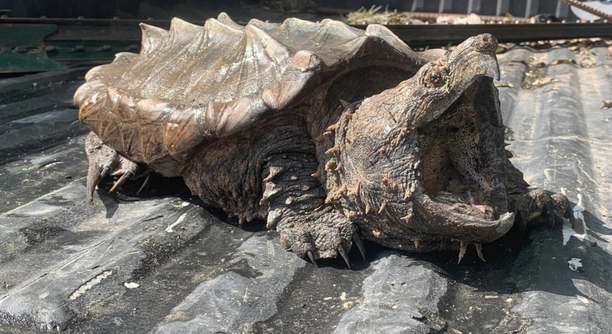
Bringing home an alligator snapping turtle is an exciting experience, but it requires careful planning. These turtles have specific needs that must be met for their health and well-being. Proper preparation is essential to ensure their happiness.
Before bringing home an alligator snapping turtle, make sure you have an appropriate tank, proper water filtration, and a well-maintained temperature. They need specific food and care routines. Researching their habitat and needs is crucial to ensure their survival.
Taking these steps will set you up for success and ensure your turtle has a comfortable home. You’ll be prepared for the responsibility of keeping an alligator snapping turtle happy and healthy in your care.
Preparing the Right Tank for Your Alligator Snapping Turtle
Alligator snapping turtles require a spacious tank to thrive. A minimum of 100 gallons is necessary for an adult, as they can grow quite large. The tank should be equipped with a solid filtration system to maintain water cleanliness, as they are sensitive to poor water quality. Proper substrate is also important for their comfort. A sandy or gravel substrate will allow them to bury themselves, mimicking their natural environment. Be sure to add rocks or other items to provide hiding spots, as these turtles enjoy feeling secure.
In addition to the tank’s size and filtration system, maintaining the water temperature is crucial. It should range between 75 to 80 degrees Fahrenheit. To achieve this, a reliable aquarium heater is necessary. Regular water changes are also essential to ensure the tank remains clean and free of toxins.
Once you’ve set up the tank, you’ll want to monitor the water quality and temperature frequently. This will ensure your turtle remains comfortable and healthy, which is the foundation of a long-lasting relationship.
Providing Proper Nutrition for Your Turtle
Alligator snapping turtles are opportunistic eaters. They will consume a variety of foods, including fish, small mammals, and aquatic plants. It’s essential to provide them with a balanced diet that mimics their natural food sources.
Feeding them a mix of protein, vegetables, and some aquatic insects is key to meeting their nutritional needs. Be sure to avoid overfeeding, as this can lead to obesity and other health problems. Additionally, calcium supplements should be offered regularly to support their shell growth.
Setting Up the Right Lighting
Proper lighting is essential for an alligator snapping turtle’s health. Ensure the tank has access to UVB light, which helps them synthesize vitamin D3. This is necessary for calcium absorption and strong shell development.
Position the UVB light above the basking area to encourage your turtle to bask in the light. A 12-hour light cycle is ideal, mimicking the natural day-night rhythm. You can use both a UVB bulb and a heat lamp. This will also provide warmth to help regulate your turtle’s body temperature. Check the bulbs regularly and replace them as needed to maintain their effectiveness.
A well-lit environment supports the overall health of your turtle. Without the right lighting, your turtle can develop metabolic bone disease, which can lead to severe health issues. Always aim for a balanced setup with proper lighting and warmth to keep your turtle thriving.
Maintaining the Tank Environment
The water quality is the most important factor in keeping an alligator snapping turtle healthy. Water that’s too dirty can lead to diseases or infections. Invest in a strong filter that can handle the amount of water in the tank.
Routine water changes are necessary, ideally once a week. Make sure to test the water’s pH, ammonia, and nitrate levels to ensure they are within the safe range. Using a water conditioner will help neutralize harmful chemicals and provide a safe environment for your turtle. Keep the tank clean by removing uneaten food and debris daily.
A clean tank is not only important for health but also helps prevent stress in your turtle. Stress can weaken your turtle’s immune system, making it more susceptible to illness.
Ensuring Safe and Secure Habitat
An alligator snapping turtle needs a secure environment to prevent accidents. The tank should have a solid lid or cover to keep the turtle from escaping, as they are skilled climbers and can easily escape from an open tank.
A secure habitat prevents your turtle from potentially injuring itself or being exposed to dangerous situations. Ensuring that the tank’s setup is safe should be one of your top priorities before bringing your turtle home. Make sure the enclosure is free of sharp edges or items that could harm your turtle.
Providing Proper Basking Areas
Basking is crucial for your turtle’s health. A basking area should be placed in a dry part of the tank, accessible for your turtle to climb onto easily. This will allow them to warm up and dry off, which helps with digestion and shell health.
Provide a smooth, non-slippery surface for your turtle to rest on. A floating dock works well, but make sure it’s sturdy enough to support your turtle’s weight. Keep the basking area within easy reach for the turtle so it can bask regularly, promoting better overall health and metabolism.
Temperature Control
Temperature regulation is essential for an alligator snapping turtle. The water should stay between 75 and 80 degrees Fahrenheit, and the basking area should reach 85-90 degrees Fahrenheit. Maintaining this temperature range supports their digestion and overall well-being.
Monitor the water temperature with an accurate thermometer to avoid fluctuations. Extreme temperature changes can stress your turtle, which could lead to health problems. A steady temperature helps your turtle feel secure in its environment, encouraging it to eat, bask, and remain active.
FAQ
How big do alligator snapping turtles get?
Alligator snapping turtles can grow up to 26 inches long and weigh as much as 175 pounds. Males tend to grow larger than females, and they grow slowly, reaching full size after around 20 to 25 years. It’s essential to provide them with a spacious tank to accommodate their size as they mature. The growth process can be gradual, so be prepared for their tank and care requirements to increase over time.
What do alligator snapping turtles eat?
These turtles are primarily carnivorous. They enjoy a diet that includes fish, amphibians, and small invertebrates. They will also eat aquatic plants, but their diet should mainly consist of protein-rich foods. Offering them a variety of fresh, high-protein foods like shrimp, fish, and insects is crucial for their health. Occasionally, they may enjoy small mammals, but be sure to avoid feeding them processed foods.
Can I keep multiple alligator snapping turtles together?
It’s generally not recommended to keep multiple alligator snapping turtles together, especially in a confined space. These turtles can be territorial and may become aggressive toward each other, particularly during feeding time or breeding season. If you want more than one, ensure the tank is large enough to provide adequate space and hiding spots to reduce stress and territorial behavior.
How often should I feed my alligator snapping turtle?
Alligator snapping turtles should be fed 2-3 times a week. Overfeeding can lead to obesity and health problems, so it’s essential to feed them the right amount. Monitor their body condition and adjust the food quantity accordingly. Providing a balanced diet with a mix of proteins and occasional plant matter will ensure they get the proper nutrition. If your turtle refuses to eat, it may be a sign of stress or an unhealthy environment.
Do alligator snapping turtles need a specific type of tank?
Yes, they require a large, well-maintained tank with a water filtration system. The tank should be at least 100 gallons, and if possible, larger as they grow. Alligator snapping turtles need a basking area and areas to hide for security. Ensure the tank is deep enough for them to submerge and swim freely. Clean, filtered water is essential, as these turtles are sensitive to water quality.
Are alligator snapping turtles aggressive?
Alligator snapping turtles are not inherently aggressive, but they can be territorial. They may show aggressive behavior, especially when feeling threatened or during feeding. It’s important to handle them carefully and avoid placing your hands near their powerful jaws. When kept in an appropriate environment, they usually remain calm but should be respected and left to their own space.
How do I keep the tank water clean?
To keep the tank water clean, you’ll need a reliable filtration system. A high-quality filter will help maintain water quality by removing waste and debris. Regular water changes are necessary to prevent the buildup of harmful toxins. It’s best to change 25-30% of the water weekly, depending on the size of the tank and the turtle’s activity. Always monitor water parameters, including pH, ammonia, and nitrate levels, to ensure the water remains safe.
Do alligator snapping turtles hibernate?
Yes, alligator snapping turtles can enter a state of brumation during the colder months, especially in the wild. In captivity, if the temperature in the tank drops too low, they may become less active and eat less. However, they do not undergo a full hibernation like some other reptiles. It’s important to maintain a consistent temperature in the tank year-round to prevent this from happening. During colder months, if you notice your turtle is becoming sluggish or inactive, adjust the tank’s temperature to encourage more activity.
How can I tell if my alligator snapping turtle is healthy?
Healthy alligator snapping turtles will have clear eyes, a strong, smooth shell, and active behavior. They should be eating regularly and swimming with ease. If your turtle has trouble swimming, exhibits lethargy, or refuses to eat, it could indicate a health problem. Look out for signs like swelling, lesions, or an unusual shell appearance. It’s crucial to monitor their behavior and physical condition and consult a vet if you notice any concerning signs.
How long do alligator snapping turtles live?
Alligator snapping turtles can live up to 50 years in captivity with proper care. In the wild, they can live for 30 to 40 years. The lifespan depends on their environment, diet, and care. With a properly maintained habitat, good nutrition, and regular health checks, these turtles can have a long and healthy life.
Can alligator snapping turtles be kept in outdoor ponds?
Yes, alligator snapping turtles can be kept in outdoor ponds, provided the environment meets their needs. The pond should be large, with clean, filtered water and enough space for them to submerge and bask. The temperature should be regulated to prevent it from becoming too cold during winter, and the pond should have access to shallow areas where they can easily get out to bask. In some areas, it is necessary to bring the turtle indoors during the colder months to maintain a stable temperature.
What type of substrate should I use for my alligator snapping turtle tank?
The substrate should be natural and provide a comfortable space for your turtle. Fine gravel or sand is a good option, as it allows the turtle to dig and hide, which is an important natural behavior. Avoid using sharp gravel or rocks that can harm the turtle’s skin or eyes. Additionally, you can add larger stones or driftwood to create hiding spots and enrich the environment. Make sure the substrate is easy to clean to prevent waste buildup.
Do I need to provide UVB lighting for my turtle?
Yes, UVB lighting is necessary for alligator snapping turtles to synthesize vitamin D3, which is vital for calcium absorption. UVB light should be placed above the basking area, and the turtle should have access to it for several hours a day. It is important to replace the bulb every 6-12 months as UVB output decreases over time. Proper lighting prevents issues like metabolic bone disease, which can occur if they are deprived of adequate UVB exposure.
Final Thoughts
Bringing home an alligator snapping turtle is a big responsibility. These turtles can live for many years, so it’s important to commit to their care. The first step is to make sure you have enough space for their tank and that it’s properly set up with clean, filtered water. As they grow, their needs will increase, so be prepared to adjust their habitat accordingly. It’s essential to provide a balanced diet, including protein-rich foods and occasional vegetables, to keep them healthy. Monitoring their health and ensuring they have the right environment is key to ensuring they thrive.
While alligator snapping turtles can be fascinating pets, they require specific care to live a long, healthy life. They are not the best pets for beginners, as they can be a challenge to manage. However, with proper research, dedication, and the right equipment, these turtles can live for many years. They need ample space to swim and bask, and it’s important to maintain a suitable temperature in their habitat. Regular cleaning and water changes are necessary to prevent health problems. Be sure to learn about their natural behaviors and preferences to create an environment where they can feel safe and comfortable.
Overall, keeping an alligator snapping turtle can be a rewarding experience for those who are ready to take on the responsibility. They are unique animals with interesting behaviors and a long lifespan. However, they require consistent care and attention, so it’s important to be prepared for the work involved. If you are dedicated to providing the proper care, these turtles can become an exciting and fascinating addition to your home. Be sure to consult with a vet and do thorough research to ensure you are meeting their needs in every aspect of their care.

Hello,
If you enjoy the content that we create, please consider saying a "Thank You!" by leaving a tip.
Every little bit helps us continue crafting quality advice that supports the health, happiness, and well-being of pets around the world, for pets of all shapes, sizes, and species.
We really appreciate the kindness and support that you show us!