
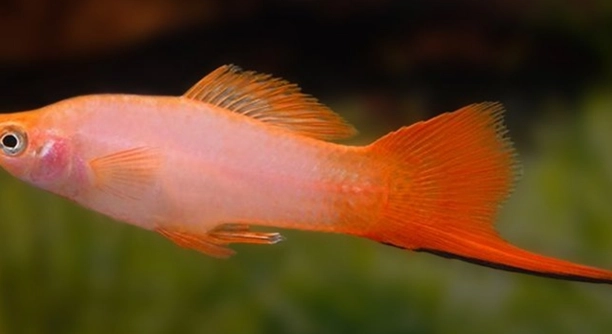
Have you ever brought home a new swordtail fish only to notice tension or chaos in your tank shortly after?
The key to successfully adding mates for swordtails lies in balancing gender ratios, providing ample space, and maintaining stable water conditions. These factors reduce stress, prevent aggression, and support healthy social behavior among your fish.
Learning the basic rules can help you avoid problems and create a peaceful tank where your swordtails thrive together.
Choose the Right Number of Males and Females
When adding new swordtails, it’s important to consider the male-to-female ratio. Swordtails are livebearers, and males can be very persistent when trying to mate. If there are too few females, this can lead to stress, injury, or even death. A good rule is to keep at least two or three females for every male. This spreads out the attention and reduces constant chasing. Males tend to be more territorial, so limiting their numbers also keeps fights to a minimum. Before adding any new fish, observe the current behavior in your tank to ensure your group can handle more.
Keeping more males than females usually causes trouble in the tank. It leads to fights, stress, and even illness in some cases. Always aim to create a calm balance.
When you’re choosing new swordtails, check their gender carefully. Young fish can be hard to identify, but adult males have a long tail extension and a pointed anal fin. Females have a fan-shaped anal fin and a rounder body. Taking your time to get this right helps prevent problems later on. If you’re unsure, it’s better to go with more females, as they tend to be more peaceful and adaptable in a mixed group setup.
Add New Swordtails Slowly and Carefully
Adding new swordtails all at once can cause stress and confusion. It’s better to introduce them in small numbers, giving your current fish time to adjust to the new arrivals.
A slow introduction is easier on the tank’s social structure and helps your swordtails settle in better. Start by placing the new fish in a quarantine tank for at least two weeks. This step is important to avoid spreading illness to your main tank. During this time, watch for any signs of disease or strange behavior. Once the new fish look healthy and active, turn off the lights in your main tank and add them gently. A dark setting lowers aggression. Give your fish time to explore each other without disruption. Keep a close eye on behavior over the next few days. If any fish are being chased or hiding constantly, consider rearranging decorations or adding more plants to break lines of sight. This gives everyone space to feel secure.
Provide Enough Space for Everyone
Overcrowding can lead to stress, illness, and aggression. Swordtails are active swimmers, and they need room to move freely. A spacious tank helps maintain peace and allows each fish to establish its own area.
A 20-gallon tank is the minimum size for a small group of swordtails, but larger is better—especially if you’re planning to add more. Each swordtail needs about 2 to 3 gallons of space. A bigger tank also keeps water conditions more stable, which helps reduce stress. When fish feel cramped, they may hide more, become territorial, or act out aggressively. That kind of behavior can easily spread stress to others in the tank. Giving your fish enough room helps maintain a steady and peaceful environment.
Make sure the tank has open swimming areas as well as spots for hiding and resting. Plants, rocks, and driftwood offer shelter and reduce visual contact between fish. This layout helps them feel secure and lowers the chance of aggressive behavior. Swordtails often form a pecking order, so providing natural breaks in sight lines helps avoid conflict. You don’t need to overdecorate, just create enough zones so each fish can find its own space. Balanced layout and room to swim keep your tank calmer and healthier.
Feed a Balanced Diet and Avoid Overfeeding
Swordtails do best on a varied diet that includes flakes, frozen foods, and vegetables. A good mix keeps them healthy and helps reduce aggression caused by hunger or lack of nutrients.
Feed your swordtails small amounts once or twice a day, only what they can finish in about two minutes. Overfeeding leads to leftover food, which can rot and make the water dirty. Poor water quality stresses fish and can lead to illness. Include high-quality flakes, some blanched vegetables like zucchini or spinach, and occasional treats like bloodworms or daphnia. This keeps their immune systems strong and colors bright. Hungry fish often get nippy with tank mates, so regular and nutritious feeding can help prevent unwanted behavior. Keep an eye on each fish during feeding time to make sure all are eating and none are being left out.
Maintain Stable Water Conditions
Swordtails are sensitive to sudden changes in water quality. Keep the temperature between 72°F and 82°F, and maintain a pH level around 7.0 to 8.3. Regular testing helps catch problems early and keeps the tank healthy for new and existing fish.
Change 20–25% of the tank water every week. This keeps nitrate levels low and improves oxygen levels. Use a water conditioner during changes to remove harmful chlorine or chloramines. A clean tank supports strong immune systems and reduces stress, making it easier for new fish to adjust and thrive.
Watch for Aggression and Act Fast
Aggression can happen even in a well-managed tank. If you notice fin-nipping, chasing, or hiding, it’s a sign something is wrong. Remove the aggressive fish or rearrange the tank to break up territories and calm things down. Adding more hiding spots can also help ease tension.
Quarantine All New Fish
Quarantining new swordtails is important for the health of your main tank. Keep them in a separate tank for at least two weeks. Watch for signs of illness like clamped fins, white spots, or strange swimming. This small step helps avoid spreading disease and gives your new fish time to adjust slowly.
Avoid Mixing with Aggressive Species
Swordtails do best with peaceful tank mates like mollies, platies, and tetras. Avoid pairing them with aggressive fish that may nip fins or compete for food. This helps create a calmer environment and allows your swordtails to settle in without fear or constant stress.
FAQ
How many swordtails can I keep in a 20-gallon tank?
In a 20-gallon tank, it’s best to keep around four to six swordtails. This number gives them enough room to swim and stay comfortable. If you’re keeping both males and females, remember the 1:2 male-to-female ratio. Avoid overcrowding, as it can lead to stress and poor water quality. With proper filtration and regular maintenance, you might be able to stretch the number slightly, but only if your fish are peaceful and the tank is well-maintained. Always keep an eye on their behavior and make sure all fish are eating and acting normally.
Can swordtails live with guppies or mollies?
Yes, swordtails can live with guppies and mollies. These species are peaceful and have similar care needs. They all enjoy similar temperatures and water conditions, which makes them good tank mates. Still, make sure the tank has enough space and hiding spots to prevent any chasing or stress. Sometimes, swordtails can get a bit dominant, especially males. If you notice fin-nipping or any signs of bullying, separate the fish or rearrange the tank decor to give each fish a place to retreat. In general, though, they get along well in a peaceful, mixed community.
How do I tell if my swordtail is male or female?
Male swordtails have a long, sword-like extension on the bottom of their tail fin and a pointed anal fin called a gonopodium. Females are rounder, with a more fan-shaped anal fin and no tail extension. Males are also usually smaller and more colorful. It’s easier to tell the difference once they are fully grown. Juveniles can look very similar at first, so if you’re not sure, wait a few weeks or ask a professional at the pet store. Getting the ratio right is important to avoid constant chasing and stress in the tank.
Should I isolate pregnant swordtails?
If you want to protect the baby fish (fry), it’s a good idea to move the pregnant swordtail to a breeding box or separate tank. Swordtails don’t care for their babies and will eat them if given the chance. Once she gives birth, remove the mother right away to prevent her from eating the fry. Make sure the separate space is clean and calm, with gentle filtration and places for the fry to hide. If you don’t want to breed them, you can leave her in the main tank but add lots of plants or decorations so the babies have a chance to hide.
How often should I feed my swordtails?
Feed adult swordtails once or twice a day in small amounts. Give them only what they can eat in two minutes. For young or growing swordtails, you can feed them a little more often. A mix of high-quality flake food, vegetables, and protein-rich treats like bloodworms keeps them healthy. Avoid overfeeding—it makes the water dirty and can lead to health problems. If there’s leftover food in the tank, remove it quickly. A regular feeding schedule helps with digestion and keeps the fish calm and active.
Why are my swordtails fighting?
Fighting often happens due to too many males, too little space, or lack of hiding spots. Swordtails are social, but males can be territorial, especially when females are around. Try to keep more females than males and provide lots of plants or decorations to break up line of sight. If one fish is being targeted, consider separating it or moving things around in the tank to reduce aggression. Sometimes, adding more space or rearranging the tank helps them calm down and get along better.
Do swordtails need a heater and filter?
Yes, swordtails need both a heater and a filter. They’re tropical fish and prefer water between 72°F and 82°F. A heater keeps the temperature stable, especially in colder seasons. A filter helps clean the water, removing waste and keeping oxygen levels balanced. Without a filter, ammonia and other toxins can build up quickly, leading to illness. Make sure the filter isn’t too strong, though—they prefer calm water with a gentle flow. With both in place, your tank stays healthier, and your swordtails will live longer, happier lives.
Final Thoughts
Keeping swordtails in a shared tank can be rewarding when done with care. These fish are active, colorful, and generally peaceful, making them a great choice for many home aquariums. But they do have specific needs when it comes to space, tank mates, and social behavior. Adding new swordtails without planning can lead to stress, fighting, and even illness. That’s why it’s important to follow a few simple rules. These include keeping the right number of males and females, giving them enough room to swim, feeding them properly, and introducing new fish slowly and safely. Taking these steps makes a big difference in how your swordtails behave and how well they thrive.
Water quality is another key part of keeping swordtails healthy. They can get sick easily if the water is dirty or changes too quickly. Regular water changes, stable temperature, and good filtration help avoid many common problems. Quarantining new fish before placing them in your main tank is also a smart step that keeps your entire tank safe. Even if a new fish looks fine, it might carry something harmful. Giving it time to adjust in a separate space helps avoid the spread of disease. It’s a small effort that saves time and stress later on. Watching for signs of aggression and making changes when needed also helps keep peace in your tank.
If you’re careful and consistent, swordtails can live for several years and even breed successfully. But they don’t do well in overcrowded or neglected tanks. They need enough space, a calm group, and proper care to stay active and happy. Think of your tank as a shared home—every fish needs its own spot to feel safe and comfortable. When these needs are met, your swordtails will swim freely, show their best colors, and behave more naturally. With the right setup, you’ll enjoy watching their daily habits and interactions. It’s not about having a perfect setup, but about being mindful of what they need. Small changes in care can lead to big improvements in behavior and health.

Hello,
If you enjoy the content that we create, please consider saying a "Thank You!" by leaving a tip.
Every little bit helps us continue crafting quality advice that supports the health, happiness, and well-being of pets around the world, for pets of all shapes, sizes, and species.
We really appreciate the kindness and support that you show us!