
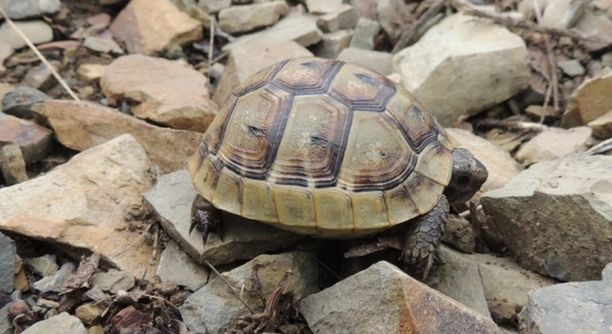
The Greek tortoise is a wonderful pet, but providing the right environment is crucial for its well-being. A big part of this is choosing the proper substrate. The right material can help with digestion, health, and comfort.
When choosing a substrate for your Greek tortoise, it’s essential to prioritize factors like moisture control, safety, and comfort. A good substrate will mimic their natural habitat, allowing them to thrive, stay active, and maintain proper health.
By understanding the best options for your tortoise’s substrate, you can ensure a healthy environment for your pet. Let’s take a closer look at the important factors to consider.
Moisture Retention
Choosing a substrate that holds moisture well is important for your Greek tortoise’s overall health. In their natural habitat, these tortoises encounter dry conditions, but they still need some humidity for their skin and digestion. A substrate that helps balance moisture can prevent dehydration, which is a common issue in pet tortoises.
Substrates like coconut coir, organic soil, or a mix of both are great choices for moisture retention. These materials keep the right amount of humidity while avoiding waterlogging, which could lead to mold or bacteria growth.
Maintaining proper humidity levels in your tortoise’s habitat helps with shedding and digestion. Too much moisture, however, can cause respiratory problems or fungal infections. Therefore, it’s important to monitor the humidity with a hygrometer and adjust as needed. The goal is to keep the environment stable and comfortable without making it too wet. A good balance will also keep your tortoise’s habitat clean and manageable, preventing the need for frequent substrate changes.
Safety Considerations
A safe substrate is crucial for your tortoise’s health. Choosing the right materials can prevent accidental ingestion of harmful substances. Avoid substrates like sand or gravel, which may cause impaction if ingested. Organic soil and coconut coir are safe options.
Opting for natural, chemical-free materials ensures that your tortoise won’t be exposed to harmful toxins. Also, it’s important to regularly check the substrate for any signs of mold, bacteria, or other contaminants. Keeping the environment clean will help avoid health issues down the road. A simple, safe substrate contributes to your tortoise’s long-term well-being.
Cleanliness and Maintenance
A substrate that’s easy to clean will save you time and effort in the long run. Some materials, like reptile carpet or paper towels, require frequent changing but are easy to manage. Others like coconut coir or organic soil need less frequent cleaning but might need sifting or spot cleaning.
It’s important to remove any waste regularly to keep the environment hygienic. A quick cleanup can prevent smells and keep bacteria from building up. Substrates that are easy to manage can help avoid the buildup of harmful waste, ensuring your tortoise’s home stays safe and clean.
Additionally, some substrates, like organic soil, can be composted if needed, making them more eco-friendly. Be sure to check your tortoise’s enclosure regularly to spot any areas that may need attention. The right substrate will reduce the need for frequent full changes and ensure a cleaner living space.
Comfort and Digging
Greek tortoises love to dig, and providing the right substrate can make this a comfortable experience. A substrate that’s too hard or too rough may cause injury, while a softer one will encourage their natural behaviors, like burrowing. Coconut coir is a soft material that mimics their natural habitat, allowing for easy digging.
Providing the right depth of substrate will allow your tortoise to dig and burrow, which is important for their well-being. It helps them regulate body temperature and gives them a sense of security. A substrate that allows for easy burrowing also supports healthy behaviors and can reduce stress in your tortoise.
Having a comfortable substrate helps your tortoise feel at home and encourages them to be more active. It’s important to choose one that feels natural and gives them the freedom to behave as they would in the wild. A good substrate promotes both mental and physical health, so don’t underestimate its importance.
Cost and Availability
Choosing a substrate that fits your budget is important, especially if you’re setting up a large enclosure. Materials like coconut coir are affordable and can last a long time with proper maintenance. Be sure to consider the long-term costs, including how often you’ll need to replace or refresh the substrate.
In addition to cost, consider the availability of the substrate in your area. Some materials may be harder to find or may need to be ordered online, which can add to the overall cost. Choose something that is both affordable and easily accessible.
Naturalistic Look
A natural-looking substrate will not only be practical but also create a more visually appealing environment for both you and your tortoise. Materials like organic soil or coconut coir give the enclosure a more realistic appearance, mimicking the tortoise’s natural habitat. This can be more enriching for your pet.
When selecting a substrate, think about the overall look you want to create. A naturalistic setting will help your tortoise feel more at home, which can reduce stress. The right material can also enhance the aesthetic of the entire enclosure, making it enjoyable to observe.
FAQ
What is the best substrate for a Greek tortoise?
The best substrate for a Greek tortoise should be easy to clean, comfortable, and safe. Coconut coir, organic soil, or a mix of both work well. These options mimic their natural habitat and provide a comfortable surface for digging, while also offering moisture retention. Avoid substrates like sand, as they may lead to impaction if ingested.
How often should I change the substrate?
Changing the substrate depends on the material you choose and how well you maintain it. If you use coconut coir or organic soil, spot cleaning should be done daily to remove waste, and a full substrate change is usually needed every 4-6 months. For materials like reptile carpet, you may need to clean it more often, but they last longer.
Can I use sand as a substrate?
Using sand as a substrate is not recommended for Greek tortoises, especially in large quantities. If your tortoise ingests sand while feeding or digging, it can lead to impaction, which is a serious health risk. If you want to use a small amount of sand for aesthetic purposes, ensure it’s mixed with a safer material like coconut coir.
Do I need to provide a deep substrate for digging?
Yes, Greek tortoises enjoy digging and burrowing, so providing a deep substrate is important for their physical and mental well-being. Aim for a depth of at least 3-4 inches to allow your tortoise to dig and create a small burrow. The substrate should be soft enough for this behavior but also firm enough to support their burrows.
Can I use recycled paper products as a substrate?
Recycled paper products, like shredded newspaper or paper towels, are acceptable but not ideal long-term. While they are easy to clean and affordable, they don’t support the tortoise’s natural digging behaviors and don’t retain moisture well. However, they can work as a temporary or budget-friendly option if needed.
How do I maintain proper humidity levels with the substrate?
To maintain the right humidity, monitor the substrate with a hygrometer. If it gets too dry, lightly mist the substrate with water. For materials like coconut coir, you can adjust moisture levels easily by adding water when needed. It’s essential not to overdo it, as too much humidity can cause respiratory issues or fungal growth. Aim for moderate humidity levels, similar to their natural environment.
Can I mix different types of substrate?
Yes, mixing different types of substrate can be a good idea to balance moisture retention, comfort, and cleanliness. A common mix is coconut coir and organic soil. This combination allows for digging, moisture retention, and easier maintenance. Just make sure that any mix you use is safe and free from chemicals.
Is it necessary to use a heating pad or light with the substrate?
While the substrate itself doesn’t provide heat, using a heating pad or light in your tortoise’s enclosure is important for maintaining the right temperature. Make sure the substrate is not too dry or too wet by adjusting the heating accordingly. A heat source like a ceramic heat emitter or a basking light will ensure your tortoise has access to the warmth it needs to regulate its body temperature.
Can I use gravel as a substrate?
Gravel is not a recommended substrate for Greek tortoises. While it may seem like a clean and low-maintenance option, small stones can be ingested and cause impaction, leading to serious health problems. It’s best to choose safer alternatives like coconut coir, organic soil, or a mix designed for reptiles.
Should I add a layer of moss to the substrate?
Moss can be a good addition to the substrate for its aesthetic appeal and its ability to hold moisture. It can help maintain humidity and create a more natural look. However, it should not be the primary substrate on its own. Instead, add a thin layer on top of coconut coir or soil to enhance the environment. Make sure to monitor moisture levels to avoid mold growth.
Is it okay to use store-bought reptile substrate?
Store-bought reptile substrates can be convenient but always check the ingredients. Some may contain additives, dyes, or chemicals that can be harmful to your tortoise. Choose natural, non-toxic options, such as coconut coir, organic soil, or natural bark. Always read labels carefully to ensure there are no harmful substances included.
How do I prevent mold from growing in the substrate?
Mold can grow in a substrate if the humidity is too high or if the substrate becomes too wet. To prevent mold, avoid over-wetting the substrate, ensure good ventilation in the enclosure, and spot clean regularly. If mold appears, remove the affected areas and replace the substrate as necessary. Keep the humidity levels balanced to avoid excess moisture buildup.
Can I use dirt from my yard as a substrate?
Using dirt from your yard can be risky. Yard soil may contain pests, parasites, or chemicals like pesticides, which can harm your tortoise. If you decide to use outdoor soil, it’s important to sterilize it first to remove any harmful contaminants. However, it’s generally safer to use pre-packaged organic soil that’s specifically designed for reptiles.
Choosing the right substrate for your Greek tortoise is an important decision that can impact their overall health and comfort. The best substrate should mimic their natural habitat, offering both moisture retention and ease of cleaning. Materials like coconut coir, organic soil, or a mix of both are ideal choices, providing a balance of moisture control, safety, and comfort. It’s important to avoid using substrates that could be harmful, such as sand or gravel, which can lead to health problems like impaction.
While selecting the best substrate is key, maintenance also plays a huge role in ensuring your tortoise thrives. Regular cleaning and spot-checking for waste will help prevent the buildup of bacteria or mold, keeping the environment safe and comfortable. Make sure to monitor humidity levels in the enclosure and adjust as needed. This helps prevent issues like dehydration or respiratory problems, which can arise from improper moisture levels. If you use materials like coconut coir or organic soil, they tend to be more forgiving when it comes to cleaning and keeping the environment stable.
Ultimately, the right substrate contributes to your tortoise’s well-being by providing a comfortable, natural environment where they can engage in behaviors like digging and burrowing. It’s essential to balance all factors—moisture retention, safety, and ease of maintenance—to create a space that promotes your tortoise’s health. Whether you’re a new tortoise owner or experienced in reptile care, understanding the importance of substrate will help ensure your Greek tortoise is happy, healthy, and thriving for years to come.

Hello,
If you enjoy the content that we create, please consider saying a "Thank You!" by leaving a tip.
Every little bit helps us continue crafting quality advice that supports the health, happiness, and well-being of pets around the world, for pets of all shapes, sizes, and species.
We really appreciate the kindness and support that you show us!