
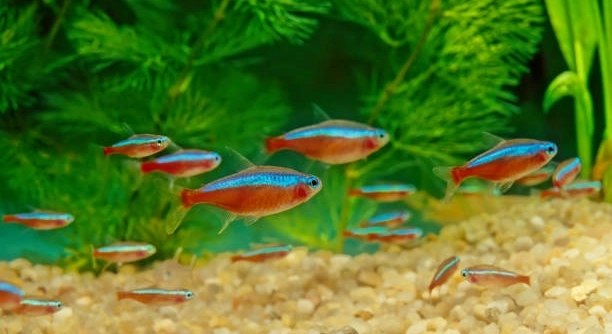
Creating a naturalistic tank for neon tetras can greatly enhance their environment. A well-planned tank setup can mimic their natural habitat, providing them with a comfortable and visually appealing space to thrive in.
To create a naturalistic neon tetra tank, focus on replicating their native environment with elements like plants, rocks, and soft lighting. This setup will support their well-being and bring out their vibrant colors while maintaining a low-stress atmosphere.
This article will guide you through simple steps that will help you build a balanced and attractive environment for your neon tetras. It’s all about combining aesthetics with functionality.
Choose the Right Substrate
The right substrate plays an important role in creating a natural feel for your neon tetra tank. Choose fine gravel or soft sand, as these materials mimic the riverbeds of their native habitats in South America. Neon tetras are often found in slow-moving waters with plenty of plant cover, so using a soft substrate will allow their delicate fins to move freely. Make sure it’s not too coarse, as rough gravel could potentially harm them. It’s best to go for darker shades like brown or black. This enhances the colors of the neon tetras and creates a calm, natural environment.
A substrate that holds nutrients will support plant growth, which is essential for a healthy tank. It will also help with water filtration by maintaining beneficial bacteria that contribute to a stable tank ecosystem.
Don’t forget to add some leaf litter or dried leaves on the substrate. This adds another layer of realism and also helps maintain water conditions by providing tannins that lower the pH level.
Select Natural Decorations and Plants
When selecting decorations, avoid plastic or artificial items. Instead, choose natural elements such as driftwood and smooth rocks. These not only mimic the surroundings of neon tetras but also provide them with hiding places where they can feel secure.
Live plants are a vital part of any naturalistic setup. Opt for plants like Java moss, Anubias, or Cryptocoryne. These are perfect for neon tetras because they can thrive in low light, and they offer plenty of cover for the fish. The plants should be arranged in a way that allows your tetras to swim freely while also creating hiding spots for them.
The right plants will also improve water quality. As plants grow, they absorb excess nutrients, reducing the risk of algae buildup. Additionally, they provide oxygen, which is crucial for your tetras’ health. Make sure to trim them regularly to prevent them from taking over the tank, as this could limit the swimming space for the fish.
Provide Proper Lighting
The lighting in your tank plays a crucial role in creating the right atmosphere for neon tetras. Soft, dim lighting works best as it replicates the shaded waters they are accustomed to in the wild. Avoid bright, harsh lights that could stress them out.
LED lights with adjustable settings are ideal, allowing you to control the intensity. You should aim for lighting that is around 10-12 hours per day, mimicking a natural day/night cycle. Too much light can encourage algae growth, while too little can prevent plants from thriving.
Consider adding floating plants or tall vegetation to help diffuse the light. This will create shaded areas and give your neon tetras spots to hide when they want some privacy.
Maintain Stable Water Conditions
Stable water conditions are vital for neon tetras. These fish prefer slightly acidic water with a pH between 6.0 and 7.0. Keep the water temperature between 72-78°F (22-26°C) for optimal health. Regular water changes are necessary to maintain a clean, safe environment.
Invest in a good filtration system, but avoid strong currents, as neon tetras are accustomed to slow-moving waters. A filter with adjustable flow is a great option. You want the water to be clean but not turbulent.
Regularly test the water for ammonia, nitrites, and nitrates. Keeping these levels in check will reduce the risk of stress and disease for your tetras. Use water conditioners to ensure the water is safe and dechlorinated before introducing the fish to the tank.
Add Hiding Spots
Neon tetras thrive in environments where they feel secure. Add driftwood, caves, or small rock formations where they can retreat if they feel stressed. Hiding spots give them a sense of safety, especially in a community tank.
These hiding spots can also promote natural behavior, as tetras often like to swim in and out of small spaces. It’s a great way to provide both physical and psychological comfort.
Consider Tank Mates Carefully
Neon tetras are peaceful fish that do best with other non-aggressive species. Choose tank mates that won’t outcompete them for food or space. Species like Corydoras catfish or small peaceful shrimp are good options.
Avoid larger, more aggressive fish that might intimidate your neon tetras. This can lead to stress and health problems. Ideally, the other fish should share similar water and temperature requirements.
Maintain Proper Tank Size
A larger tank provides more room for your neon tetras to swim and explore. A tank of at least 20 gallons is recommended for a small group of neon tetras. This helps reduce territorial behavior and promotes a peaceful environment.
Too small of a tank will increase stress levels and hinder their growth.
FAQ
What should I feed my neon tetras?
Neon tetras are omnivores and will thrive on a varied diet. High-quality flake or pellet foods designed for small tropical fish are a good base. Supplement with frozen or live foods like brine shrimp, daphnia, and bloodworms. Offering variety ensures they get a range of nutrients, promoting vibrant colors and healthy growth. Make sure to feed small amounts two to three times a day to avoid overfeeding. Remove any uneaten food after a few minutes to keep the tank clean.
Can neon tetras live with other fish?
Yes, neon tetras are peaceful and get along well with many other non-aggressive species. They do well in community tanks with other small fish like guppies, Corydoras, or shrimp. Avoid larger, aggressive fish that may harass them. Neon tetras feel more comfortable in schools of six or more, so it’s best to keep them in groups. This helps reduce stress and encourages natural schooling behavior.
How often should I change the water in my neon tetra tank?
Water changes are crucial for keeping the tank healthy. For a neon tetra tank, aim to change 25-30% of the water every week. This helps keep the water clean, removes excess nutrients, and keeps the nitrogen cycle stable. Test the water regularly to ensure it remains within safe parameters, and adjust the water change schedule if necessary.
What type of filtration is best for neon tetras?
A good filter is important for maintaining water quality, but it should not create strong currents. Neon tetras prefer calm waters, so a filter with adjustable flow is ideal. A sponge filter or a gentle hang-on-back filter works well. Ensure the filter is properly sized for the tank to maintain a stable environment without disturbing the tetras.
Do neon tetras need a heater?
Yes, neon tetras require a heater to maintain stable water temperatures. They prefer water that is between 72-78°F (22-26°C), so it’s important to keep the temperature consistent. Sudden temperature fluctuations can stress them and lead to illness. Invest in a reliable aquarium heater with a thermostat to maintain the desired temperature.
How many neon tetras should I keep together?
Neon tetras are schooling fish and feel safer when kept in groups. It’s best to keep at least six to eight neon tetras together in a tank. This helps reduce stress and encourages natural behavior, like schooling and hiding in plants or decorations. A larger group also allows the tetras to interact with each other, making the tank feel more natural.
Can I keep neon tetras in a smaller tank?
Neon tetras can live in smaller tanks, but a tank of at least 10 gallons is recommended for a small group of neon tetras. A smaller tank can quickly accumulate waste, leading to poor water quality, which can stress your fish. A larger tank gives them more room to swim and reduces territorial behavior.
Why are my neon tetras not eating?
If your neon tetras are not eating, it could be due to stress, poor water quality, or an unsuitable diet. Ensure the water conditions are stable, and check for any changes that could be causing stress, like aggressive tank mates. Also, make sure you are offering them food they find appealing. If they continue to refuse food, consider testing the water for ammonia, nitrites, and nitrates.
How do I prevent algae in a neon tetra tank?
Algae growth can be managed by controlling the amount of light and nutrients in the tank. Avoid leaving the lights on for more than 10-12 hours a day, and remove any uneaten food promptly. Adding live plants to the tank can help by outcompeting algae for nutrients. You can also use algae-eating fish like Amano shrimp or certain snails to help keep algae in check.
Do neon tetras require a specific pH level?
Neon tetras prefer slightly acidic to neutral water, with a pH range of 6.0 to 7.0. Keeping the water within this range is important for their health. Regular water testing and maintenance can help ensure the pH remains stable. If the pH drifts too far from this range, it may stress the fish and make them more vulnerable to disease.
Can I keep neon tetras with plants?
Yes, neon tetras do well with plants in their tank. Live plants not only help maintain water quality but also provide hiding spots and shade, which reduce stress. Plants like Java moss, Cryptocoryne, and Anubias are excellent choices. Just make sure the plants are suitable for the lighting conditions in your tank and trim them regularly to prevent overgrowth.
Final Thoughts
Creating a naturalistic tank for neon tetras is about providing them with a space that mirrors their natural habitat. This can be done by carefully choosing the right substrate, plants, and decorations. By using soft, fine gravel or sand, the fish can move freely without the risk of injury. Live plants like Java moss or Anubias not only improve the aesthetics of the tank but also support the well-being of your tetras by keeping the water clean and providing natural hiding spots. The right environment can also bring out the vibrant colors of your neon tetras, making them more active and visible.
Proper water conditions are crucial to their health. Maintaining a stable temperature, controlling the pH, and using a gentle filtration system will keep your tetras comfortable. Regular water changes are necessary to ensure that the tank stays clean, and the water quality remains high. Neon tetras are sensitive to ammonia and nitrites, so it’s important to monitor these levels closely. A consistent, low-stress environment helps prevent diseases and stress-related issues. If you’re using a heater, be sure it’s reliable and can maintain the water temperature within the ideal range for your tetras.
Finally, while neon tetras are small and peaceful fish, they thrive when kept in groups. A school of six or more will help them feel secure, and they will display more natural behaviors. It’s also important to choose compatible tank mates, avoiding aggressive or large species that could stress or harm them. With careful planning and attention to detail, your neon tetra tank can be a beautiful and healthy environment for your fish. With the right setup, these small fish can live long, happy lives and provide a calming, colorful display in your home.

Hello,
If you enjoy the content that we create, please consider saying a "Thank You!" by leaving a tip.
Every little bit helps us continue crafting quality advice that supports the health, happiness, and well-being of pets around the world, for pets of all shapes, sizes, and species.
We really appreciate the kindness and support that you show us!