
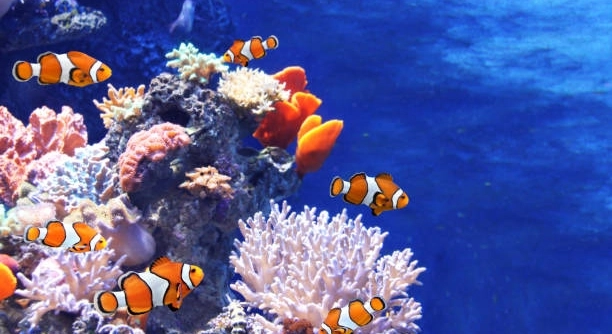
Clownfish are popular aquarium fish known for their bright colors and interesting behaviors. Many fishkeepers want to add other species to their tanks without causing stress to clownfish. Choosing the right companions helps create a peaceful and healthy environment.
Ideal tank mates for clownfish are species that exhibit non-aggressive behavior, similar water requirements, and occupy different areas of the tank. Examples include gobies, blennies, and certain damselfish, which coexist without causing territorial disputes or stress to clownfish.
Knowing which fish can live harmoniously with clownfish ensures a balanced tank and a thriving aquatic community worth maintaining.
Peaceful Gobies as Tank Mates
Gobies are excellent companions for clownfish due to their peaceful nature and small size. They usually occupy the bottom of the tank, which reduces competition for space. Many goby species form symbiotic relationships with shrimp, creating interesting behaviors without disturbing clownfish. Their calm temperament helps maintain a stress-free environment. Additionally, gobies prefer similar water conditions, such as temperature and salinity, making them compatible in the same aquarium setup. They are also hardy and easy to care for, which adds to their appeal as tank mates. Choosing gobies means less aggression and more balance in your tank, contributing to the overall health of all fish involved.
Gobies stay mostly on the substrate and avoid confrontations, making them a safe choice for clownfish tanks.
Adding gobies brings variety and movement to the lower tank levels. Their interaction with substrate and sometimes with shrimp adds dynamic interest without crowding or stressing clownfish. This balance ensures each species has its own space, reducing territorial disputes. In my experience, tanks with gobies tend to be calmer and easier to manage since these fish don’t provoke aggressive behavior or chase others. Their peaceful presence helps maintain water quality by stirring the substrate gently. Overall, gobies are low-maintenance companions that support a harmonious aquarium ecosystem. Their role as bottom dwellers and their peaceful demeanor make them a reliable option for those aiming to keep clownfish stress-free.
Blennies: Calm and Colorful
Blennies generally display peaceful behavior and remain near rocks or coral in the tank. They rarely bother clownfish and help control algae growth.
Blennies are well suited to coexist with clownfish due to their territorial but non-aggressive nature. Most species occupy small crevices and do not compete aggressively for open swimming space. Their diet often consists of algae and small invertebrates, which helps keep the tank clean. Blennies’ size and activity level complement clownfish without causing stress or competition. Their colorful appearance also adds visual interest. In my experience, blennies remain focused on their own territories and rarely disturb other fish. They are also hardy and adapt well to common aquarium conditions. Their algae-eating habits benefit tank maintenance, reducing extra work for fishkeepers. Choosing blennies as tank mates supports a peaceful environment and contributes to a balanced ecosystem in mixed-species tanks with clownfish.
Damselfish Varieties That Work Well
Some damselfish species are peaceful and coexist with clownfish without causing stress. They generally occupy different parts of the tank and show low aggression.
Damselfish are often misunderstood due to aggressive tendencies in certain species. However, smaller, less territorial types can live harmoniously with clownfish. These damselfish tend to stay in the upper water column, while clownfish prefer mid-levels or near anemones. This separation reduces direct competition. Their similar water requirements and comparable size make them suitable companions. I have found that choosing the right damselfish species helps avoid territorial fights and stress in the tank, promoting stability.
Their bright colors and lively behavior add interest to the aquarium. Careful selection based on temperament and tank size is key. Proper introduction and monitoring during early days ensure a peaceful community. Damselfish that remain calm support clownfish wellbeing and help maintain a vibrant tank atmosphere without disturbance.
Wrasses: Active Yet Compatible
Wrasses are energetic swimmers that usually keep to themselves and avoid bullying clownfish. Many species are peaceful enough for community tanks.
Wrasses bring activity and color without provoking clownfish when chosen carefully. Smaller, non-aggressive wrasses occupy various tank levels, reducing territorial conflicts. Their natural diet of small invertebrates keeps them busy and less likely to bother others. In my experience, some wrasse species add life to the tank while maintaining harmony. They thrive in well-established aquariums with plenty of hiding spots, which help reduce stress for all fish. Wrasses’ fast movements create a lively environment but do not overwhelm clownfish, allowing peaceful coexistence.
It is important to avoid larger, aggressive wrasse species, as they may stress or chase clownfish. Selecting compatible species and providing enough space and shelter is essential for success. Wrasses that fit these criteria contribute to a balanced and dynamic community tank where clownfish remain comfortable.
Cardinalfish as Tank Companions
Cardinalfish are peaceful and shy, making them excellent companions for clownfish. They prefer swimming in open water and keep to themselves.
Their calm demeanor and non-aggressive behavior reduce chances of stress or conflict in the tank. Cardinalfish adapt well to similar water conditions as clownfish, ensuring a compatible environment.
Tangs: Bright and Balanced
Tangs are active herbivores that usually focus on algae grazing rather than bothering clownfish. Their larger size demands a spacious tank with plenty of hiding places. Despite being territorial with their own species, tangs rarely challenge clownfish. I have noticed that tangs help control algae growth, which benefits the tank’s overall health. Proper tank size and careful monitoring during introduction are necessary to prevent stress. When these conditions are met, tangs and clownfish can coexist peacefully, adding color and movement to the aquarium.
Avoid Aggressive Species
What tank conditions help reduce stress for clownfish?
Maintaining stable water parameters is essential to reduce stress in clownfish. Keep temperature between 75-82°F, pH around 8.1-8.4, and salinity at 1.020-1.025 specific gravity. Regular water changes and good filtration prevent the buildup of harmful toxins. Providing hiding spots and plenty of swimming space also helps clownfish feel secure. Avoid overcrowding, as this can increase aggression and stress. In my experience, a clean, well-maintained tank with stable conditions allows clownfish to thrive alongside peaceful tank mates without unnecessary tension.
How can I introduce new fish to avoid stressing clownfish?
Introducing new fish slowly is important. Start by quarantining the new arrivals for at least two weeks to prevent disease. When adding them to the main tank, rearrange some decorations first to disrupt established territories. This reduces aggression. Add new fish during the evening or when lights are dim to lower stress. Keep a close eye on interactions for the first few days and be ready to separate aggressive fish if needed. I’ve found that patient introduction and monitoring greatly improve harmony in the tank.
Are there signs that clownfish are stressed by tank mates?
Yes, stress in clownfish can be seen through changes in behavior and appearance. Signs include hiding more than usual, loss of appetite, faded color, rapid breathing, or erratic swimming. Clownfish may also become aggressive or withdrawn. If these symptoms appear after adding new fish, it’s likely the tank mates are causing stress. Early detection allows quick action, such as rearranging the tank or removing problematic fish. From personal experience, recognizing these signs early helps prevent long-term health issues.
Can tank size affect clownfish stress levels?
Tank size plays a significant role in clownfish stress. Small tanks limit swimming space and increase competition for territories, leading to aggression. A minimum of 20 gallons is recommended for a single pair of clownfish, with more space required when adding other species. Larger tanks provide distinct areas for each fish to establish without frequent conflicts. I have observed calmer clownfish in well-sized tanks where space and hiding spots reduce territorial disputes, making coexistence smoother.
Is it necessary to match fish by diet when choosing tank mates?
Matching diets is important but not always necessary. Clownfish are omnivores, eating both meaty foods and algae. Choosing tank mates with similar diets simplifies feeding and reduces competition. However, some peaceful herbivores or carnivores can still coexist if feeding is managed properly. Separate feeding zones or targeted feeding can help ensure all species receive proper nutrition. In my experience, understanding dietary needs helps maintain health and reduces aggressive food competition.
How do I know which fish are too aggressive for clownfish tanks?
Aggressive fish often display chasing, nipping, or territorial behavior. Species known for high aggression include larger angelfish, triggerfish, and some larger wrasses. If a fish constantly attacks or stresses clownfish, it is unsuitable as a tank mate. Researching species behavior before purchase is key. Monitoring fish closely after introduction helps identify aggression early. Removing aggressive individuals quickly protects clownfish wellbeing. From what I’ve seen, careful selection based on temperament avoids unnecessary problems in community tanks.
Can clownfish live peacefully with other clownfish?
Clownfish can live with others but may show territorial aggression, especially if the tank is small. Keeping a single breeding pair is usually best. If multiple clownfish are kept, a larger tank with multiple hiding places is necessary. Introducing them simultaneously and ensuring enough space can reduce fights. I have noticed that overcrowding or pairing unrelated clownfish can lead to stress and injury, so careful planning is essential when keeping more than one pair.
What role do hiding spots play in reducing clownfish stress?
Hiding spots provide clownfish with safe places to retreat when feeling threatened. Anemones, live rock, and artificial caves offer shelter and reduce exposure to aggressive tank mates. This lowers stress levels and prevents constant chasing or bullying. In my tanks, providing plenty of hiding spaces has helped clownfish stay calm and healthy. Without secure retreats, clownfish can become vulnerable and stressed, which affects their overall behavior and health.
How important is water quality for clownfish stress?
Water quality is critical for clownfish health and stress prevention. Poor water conditions lead to weakened immune systems and make clownfish more vulnerable to disease. Regular testing and maintenance of ammonia, nitrite, and nitrate levels keep the environment safe. I have seen that stable, clean water reduces stress-related behaviors and supports better interactions among tank mates. Consistent care in water quality is one of the best ways to ensure peaceful clownfish behavior.
Can tank decorations influence clownfish stress levels?
Tank decorations influence territory and comfort zones. Well-placed rocks, corals, and plants create natural barriers that reduce direct confrontations. They also offer exploration opportunities and visual stimulation, which keeps clownfish engaged. In my experience, thoughtful decoration placement decreases aggressive behavior by dividing the tank space effectively. Decorations also mimic natural habitats, making clownfish feel secure. Without enough structure, clownfish may become stressed due to lack of personal space or hiding spots.
Choosing the right tank mates for clownfish is important to keep a peaceful and healthy aquarium. Clownfish are known for their bright colors and active personalities, but they can become stressed if housed with aggressive or incompatible species. Selecting fish that have calm temperaments, similar water requirements, and different swimming levels can help prevent conflicts. For example, peaceful gobies and blennies tend to stay near the bottom or rocks, while clownfish usually stay near anemones or mid-levels. This natural separation reduces competition and stress, allowing each fish to feel safe in its space.
Maintaining good tank conditions is also key to keeping clownfish comfortable. Stable water parameters, regular cleaning, and proper feeding routines support the wellbeing of all fish in the tank. Providing enough hiding spots and open swimming areas helps reduce territorial fights. Introducing new fish slowly and monitoring their behavior in the early days can prevent problems before they grow. Aggressive or overly territorial fish should be avoided, as they cause unnecessary stress and may harm clownfish. Following these guidelines helps create an environment where clownfish can thrive and display their natural behaviors.
In my experience, patience and careful planning make a big difference when building a community tank with clownfish. It takes time to find the right balance of species and setup. Once the tank is established, a peaceful mix of tank mates adds variety and interest without upsetting the clownfish. Each species brings its own qualities that enrich the aquarium while maintaining harmony. Taking the time to research and observe fish behavior results in a more enjoyable and stable tank. Keeping clownfish stress-free leads to healthier fish and a more satisfying aquarium experience overall.

Hello,
If you enjoy the content that we create, please consider saying a "Thank You!" by leaving a tip.
Every little bit helps us continue crafting quality advice that supports the health, happiness, and well-being of pets around the world, for pets of all shapes, sizes, and species.
We really appreciate the kindness and support that you show us!