
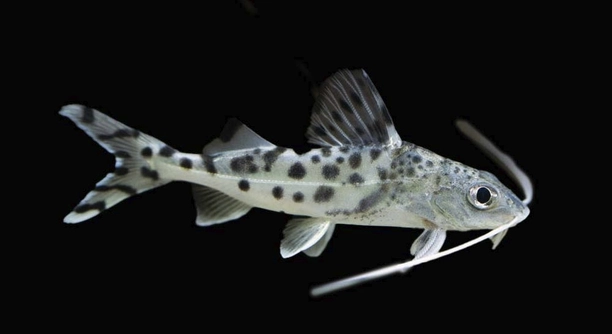
Many aquarium owners enjoy keeping pictus catfish for their lively nature and unique appearance. Choosing the right substrate is important for the fish’s comfort and health. This article ranks seven ideal substrate types for pictus catfish.
The best substrates for pictus catfish include fine sand, smooth gravel, and soft soil, as these materials protect their delicate barbels and encourage natural behavior. Harsh or sharp substrates can cause injuries and stress to these fish.
Knowing which substrate suits pictus catfish helps maintain a healthy environment and enhances their well-being in your aquarium.
Fine Sand: Gentle and Safe for Barbels
Fine sand is often the top choice for pictus catfish because it is soft and smooth. These fish use their barbels, which are delicate whisker-like feelers, to explore their environment and find food. Rough or sharp substrates can damage these sensitive barbels, causing discomfort or infections. Fine sand mimics the natural riverbeds where pictus catfish live, providing a comfortable surface for resting and swimming. It also helps prevent trapped debris, keeping the tank cleaner. Sand is easy to clean with gentle siphoning, though it may require occasional stirring to avoid compacting. A well-maintained sand substrate creates a healthier environment and supports the fish’s natural behavior. When choosing sand, make sure it is aquarium-grade and free of harmful dust or chemicals.
Fine sand encourages natural digging behavior in pictus catfish without harming them.
Using fine sand provides both safety and comfort, making it a highly recommended substrate for maintaining pictus catfish health and activity.
Smooth Gravel: Durable and Practical
Smooth gravel is another common substrate choice, offering durability and ease of cleaning. The key is selecting small, rounded gravel pieces to avoid injuring the fish’s barbels. Coarser gravel can be abrasive and stress the fish, but smooth gravel offers a good balance between safety and practicality. It allows water to flow easily through the substrate, which helps with filtration and prevents waste buildup. Gravel also supports beneficial bacteria growth that helps keep the tank ecosystem balanced. Compared to sand, gravel may be less prone to compacting but might hide uneaten food and debris in gaps between stones. Regular vacuuming of the gravel surface is essential to maintain water quality. Smooth gravel comes in many colors and sizes, so you can find options that complement your tank’s look while keeping your pictus catfish comfortable.
Soft Soil: Natural and Nutrient-Rich
Soft soil substrates provide a natural look and can enrich the aquarium with nutrients that support live plants. These substrates are gentle on pictus catfish barbels and offer a soft base for bottom-dwelling activity. Soil helps replicate the catfish’s natural habitat, making them feel more secure and active. It also benefits planted tanks by slowly releasing minerals into the water. However, soil substrates can be more difficult to maintain because they may cloud the water during initial setup and require careful cleaning to prevent compacting. Mixing soil with sand or fine gravel can improve stability and reduce mess. Choosing soft soil supports a balanced and healthy aquarium environment for both plants and fish, encouraging natural behaviors and growth. This option is ideal for those who want a natural, planted tank with happy, healthy pictus catfish.
Bare Bottom Tanks
Bare bottom tanks are easy to clean and reduce the risk of substrate-related infections in pictus catfish. Without substrate, debris is visible and can be quickly removed.
Many hobbyists prefer bare bottom tanks for quarantine or hospital setups. The lack of substrate means no hiding places for waste, making water maintenance simpler. However, pictus catfish may feel less secure without a soft surface, potentially increasing stress. These fish naturally prefer a substrate to explore and forage, so bare tanks are not ideal for long-term housing. Providing decorations or smooth surfaces can help create hiding spots and improve comfort. Overall, bare bottom setups are practical but less natural for pictus catfish.
If keeping a bare bottom tank, frequent cleaning and added decor are necessary to reduce stress and maintain a healthy environment.
Mixed Substrate Options
Combining different substrate types can balance the advantages of each for pictus catfish. For example, mixing fine sand with smooth gravel creates varied textures and promotes natural behaviors.
A mixed substrate setup supports the fish’s need to explore while protecting delicate barbels. Sand areas offer softness, while gravel sections improve filtration and bacterial colonization. This mix also adds visual interest to the tank. Careful maintenance is required to prevent debris buildup in gravel spaces, and periodic stirring of sand zones helps avoid compacting. Mixed substrates can also support a wider range of plants and aquatic life, contributing to a balanced ecosystem. This approach works well for those seeking both function and aesthetics in their aquarium.
Using mixed substrates can enhance fish comfort and tank health, combining safety with practical benefits for pictus catfish habitats.
Pebble Substrate
Pebbles are generally too rough for pictus catfish, risking damage to their sensitive barbels. Avoid sharp or jagged stones that can cause injuries.
Smooth, rounded pebbles might be safer but still lack the softness pictus catfish need for comfortable bottom exploration. They can also trap debris, increasing maintenance.
Aquarium Sand Alternatives
Some aquarium sand alternatives like crushed coral or aragonite offer mineral benefits but tend to be coarse. These substrates can irritate barbels and stress pictus catfish.
If used, monitor the fish closely and consider mixing with finer sand to reduce abrasiveness. Testing water parameters is important, as mineral-rich substrates can affect pH and hardness.
Gravel with Sharp Edges
Gravel containing sharp edges can injure pictus catfish and cause infections. Avoid substrates that are rough or uneven to protect their barbels.
Always choose smooth, rounded gravel pieces to ensure the safety and comfort of your fish.
FAQ
What is the best substrate for pictus catfish?
The best substrate for pictus catfish is fine sand. It is soft and smooth, which protects their sensitive barbels from injury. Fine sand also mimics their natural environment, encouraging natural behaviors like digging and foraging. Smooth gravel and soft soil are good alternatives if sand is not available, but always avoid sharp or coarse materials.
Can pictus catfish live without substrate?
Yes, pictus catfish can live in a bare bottom tank, but it is not ideal long-term. Without substrate, they may feel less secure and more stressed because they lose the soft surface they use to explore. Bare bottom tanks are easier to clean, which can help in quarantine or hospital situations, but adding decorations can improve comfort.
Is gravel safe for pictus catfish?
Gravel can be safe if it is smooth and rounded, without sharp edges. Sharp gravel risks injuring the barbels, which can lead to infections and stress. Smaller gravel pieces are better than large stones, but overall, gravel is less gentle than sand. Regular cleaning is essential to avoid debris buildup between gravel.
How often should I clean the substrate?
Cleaning frequency depends on substrate type and tank size but generally once every one to two weeks is good. Fine sand needs gentle stirring to avoid compacting and to release trapped waste. Gravel requires vacuuming to remove debris trapped between stones. Overcleaning can disturb beneficial bacteria, so balance is important.
Can I mix substrates in one tank?
Yes, mixing substrates like fine sand and smooth gravel can combine the benefits of both. Sand offers softness and safety for barbels, while gravel improves filtration and bacterial growth. Mixed substrates also add visual variety and support different plants. Just maintain regular cleaning to prevent debris buildup in gravel areas.
Will substrate affect water quality?
Substrate affects water quality by providing surfaces for beneficial bacteria that help break down waste. Some substrates, like soft soil or crushed coral, can alter pH and hardness, so testing water regularly is important. Proper substrate choice and maintenance help maintain stable and healthy water conditions for pictus catfish.
What should I avoid when choosing substrate?
Avoid sharp, rough, or coarse materials like jagged gravel or large pebbles. These can injure barbels and stress the fish. Also, avoid substrates that contain harmful chemicals or dust. Avoid using substrates that easily compact or trap waste without proper cleaning, as this can lead to poor water quality and fish health problems.
How does substrate influence pictus catfish behavior?
Substrate affects natural behaviors like foraging, digging, and resting. Soft substrates like sand encourage these activities, allowing pictus catfish to use their barbels safely. Hard or sharp substrates can discourage exploration and cause stress. A comfortable substrate supports healthier, more active fish.
Can substrate damage pictus catfish barbels?
Yes, rough or sharp substrate can cause cuts or abrasions on the barbels, leading to infections or other health issues. Choosing soft, smooth substrates is key to protecting these sensitive organs and ensuring the catfish’s well-being.
Is it necessary to use live plants with substrate?
Live plants thrive better in nutrient-rich substrates like soft soil but can grow in sand or gravel with root tabs. Plants help maintain water quality and provide hiding spots. While not necessary, combining live plants with suitable substrate creates a more natural and beneficial environment for pictus catfish.
Choosing the right substrate for pictus catfish is an important part of creating a healthy and comfortable aquarium. These fish have delicate barbels that need a soft surface to explore safely. Fine sand is often the best option because it is gentle and mimics their natural riverbed environment. Smooth gravel and soft soil are also good choices if handled carefully. Avoiding rough, sharp, or coarse materials helps prevent injuries and stress. Keeping the substrate clean and well-maintained is just as important as selecting the right type. This balance supports the overall health and happiness of your fish.
Substrate choice not only affects the physical well-being of pictus catfish but also influences their natural behavior. These fish use their barbels to find food and interact with their environment. A suitable substrate allows them to express these behaviors comfortably. Mixed substrates can add variety and improve tank aesthetics, but they require careful maintenance to avoid waste buildup. Bare bottom tanks offer easy cleaning but lack the comfort and security that substrates provide. Each option comes with pros and cons, so understanding your fish’s needs will help you make the best decision.
Ultimately, maintaining a tank with the right substrate supports a stable, balanced environment. Good substrate promotes beneficial bacteria growth, which helps keep water quality high. Combining this with regular cleaning and monitoring ensures that your pictus catfish remain healthy and active. Taking time to choose and care for the substrate shows your commitment to their well-being. This simple but essential step makes a big difference in how your aquarium thrives and how your fish enjoy their home.

Hello,
If you enjoy the content that we create, please consider saying a "Thank You!" by leaving a tip.
Every little bit helps us continue crafting quality advice that supports the health, happiness, and well-being of pets around the world, for pets of all shapes, sizes, and species.
We really appreciate the kindness and support that you show us!