
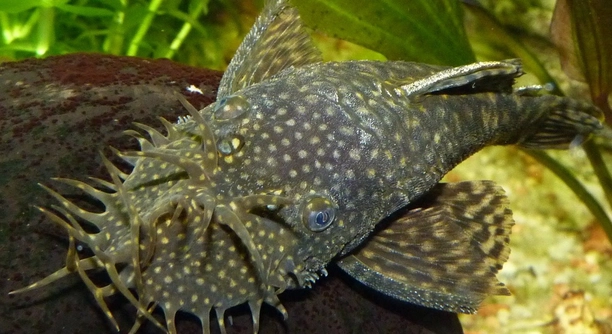
Maintaining a healthy environment for your plecostomus is key to their wellbeing. One important factor to consider is the pH level of the water in your aquarium. Understanding how pH impacts their health is essential for ensuring they thrive.
The ideal pH level for a plecostomus generally falls between 6.5 and 7.5. It is crucial to keep the water slightly acidic to neutral, as extreme pH levels can lead to stress, illness, or even death.
Knowing the correct pH range will help you avoid common mistakes and maintain a stable aquatic habitat for your fish. Let’s explore how to achieve the perfect balance.
Understanding pH Levels in Aquarium Water
The pH level of water refers to its acidity or alkalinity, measured on a scale from 0 to 14. A pH of 7 is neutral, while values below 7 are acidic and above 7 are alkaline. For plecostomus, maintaining a balanced pH level is vital for their health. If the water’s pH level is too high or low, it can lead to stress, poor growth, and even death. Healthy plecostomus thrive in a range of 6.5 to 7.5, making it essential to monitor the pH regularly. Water that is too acidic or too alkaline can hinder the fish’s ability to absorb essential nutrients.
For plecostomus, a stable pH level promotes their natural behavior, feeding habits, and overall immune function. Extreme fluctuations in pH can weaken their defenses, making them more vulnerable to disease.
If the pH is off, the fish may exhibit signs of stress, such as erratic swimming or refusal to eat. It’s important to find ways to stabilize the water’s pH to ensure they remain healthy and active.
How to Maintain the Ideal pH Range
To maintain a healthy pH level, regularly test the water using an aquarium test kit.
Make sure your aquarium is equipped with proper filtration, as good water movement can help prevent harmful pH imbalances. Regular water changes also help dilute any impurities that can cause pH swings. When introducing new water to the tank, make sure it matches the current pH level to avoid shocking your fish.
You can also use natural methods to stabilize pH. For instance, adding driftwood to your tank can slightly lower the pH due to the tannins released into the water. Another option is adding certain types of aquarium-safe rocks that release minerals to buffer the water, keeping the pH steady. Be cautious when using chemicals to adjust the pH, as drastic changes can harm your plecostomus. Always aim for small adjustments over time for a more stable environment.
Effects of pH Fluctuations on Plecostomus Health
Fluctuating pH levels can have a severe impact on the health of plecostomus. When the pH level changes too quickly, it stresses the fish, affecting their behavior and physical condition. Their immune system becomes weakened, making them more susceptible to diseases.
Rapid changes in pH can cause plecostomus to become disoriented, with symptoms like unusual swimming patterns or excessive hiding. Over time, poor water quality linked to pH swings can lead to stunted growth, lethargy, or even death. Constant stress from unstable pH levels can also reduce their overall lifespan.
It’s important to test the water frequently and make gradual adjustments if necessary. Keeping the pH stable within the optimal range will help prevent these harmful effects. Regular water changes, careful monitoring, and gradual pH adjustments are key to maintaining a healthy environment.
How to Correct pH Imbalances
If the pH of your tank falls outside the ideal range, you can take simple steps to correct it. Start by testing the water regularly to determine the exact pH level.
To lower pH, you can add driftwood or use peat moss. These natural methods gently reduce acidity without causing sudden changes. Conversely, adding crushed coral or limestone can raise the pH in an aquarium with soft, acidic water. Always introduce changes slowly, as drastic shifts may harm your plecostomus.
If natural methods don’t work, you might need a pH buffer, but it’s important to monitor the water closely. Make sure any adjustments are done gradually over several days to avoid shocking your fish. Keep testing the water after each change to ensure that the pH stabilizes at a safe level.
Natural Ways to Adjust pH Levels
To adjust the pH of your tank naturally, you can add driftwood, leaves, or peat moss. These materials release tannins, which lower the pH gently over time. This method is safe and ensures a gradual change that won’t stress your plecostomus.
Other natural options include using almond leaves or Indian almond leaves, which help lower pH and also offer other benefits like antibacterial properties. These leaves are a good choice if you want to naturally soften the water while keeping the pH within a healthy range for your plecostomus.
Monitoring pH Levels Effectively
Regularly monitor the water to keep track of pH changes. Use an aquarium test kit to ensure the water remains within the ideal 6.5 to 7.5 pH range.
Testing frequently helps you catch any shifts early and make necessary adjustments before it becomes a problem. It’s a simple but essential step in keeping your plecostomus healthy and stress-free.
pH Levels and Water Hardness
Water hardness can influence the pH level in your aquarium. Hard water tends to be alkaline, while soft water is more acidic. Understanding your water’s hardness helps you predict how pH might fluctuate over time. Adjustments may be needed if you live in an area with particularly hard or soft water.
FAQ
What happens if the pH level is too high or too low for plecostomus?
If the pH level is too high or too low, plecostomus can experience significant stress. A pH that is too low (acidic) can damage their gills and affect their ability to breathe properly. Similarly, if the pH is too high (alkaline), it can interfere with their ability to absorb nutrients. Both conditions weaken the immune system, making the fish more vulnerable to diseases and infections. Plecostomus may become lethargic, stop eating, or hide more often when stressed by pH imbalances. In severe cases, this can lead to death.
How can I test the pH of my aquarium water?
To test the pH of your aquarium water, you’ll need a reliable aquarium pH test kit. These kits come with strips or liquid solutions that react with the water to give you an accurate reading. Simply dip a test strip into the tank water or add a few drops of testing solution to a sample of water, then compare the results to the chart included in the kit. Test your water regularly, especially if you notice any changes in your fish’s behavior or health.
Can I use tap water for my plecostomus aquarium?
Tap water can be used, but it’s essential to test it first. Many tap waters contain chlorine, chloramine, or heavy metals, which can harm your plecostomus. Before adding tap water to your tank, treat it with a water conditioner designed to neutralize these harmful substances. Additionally, check the pH of your tap water to ensure it is within the ideal range for your plecostomus. If your tap water is too hard or too soft, you may need to make adjustments with buffering agents or natural materials.
How often should I check the pH of my aquarium?
It’s recommended to check the pH of your aquarium water at least once a week. If you’re in the process of adjusting the pH or have recently made changes to the tank, you should test more frequently. Regular testing ensures that you catch any imbalances early, before they can cause significant stress or health issues for your plecostomus. If you use any natural methods to adjust the pH, it’s important to monitor the water daily until it stabilizes.
What is the ideal pH for plecostomus?
The ideal pH for plecostomus ranges from 6.5 to 7.5, which is considered slightly acidic to neutral. This pH level promotes healthy behavior, growth, and immune function. A stable pH within this range supports the natural processes of plecostomus and helps them thrive in a well-maintained aquarium. Deviations from this range can cause stress, leading to potential health issues.
Can I raise or lower the pH of my tank safely?
Yes, you can raise or lower the pH of your tank safely, but you should do so gradually. Rapid changes in pH can shock your plecostomus and cause stress or even death. If you need to raise the pH, you can use crushed coral, limestone, or shells, which release minerals that increase alkalinity. To lower the pH, add driftwood, Indian almond leaves, or peat moss, which gently acidify the water. Always make small adjustments over time and test the water regularly to avoid dramatic pH shifts.
How do I know if my plecostomus is stressed from pH imbalances?
If your plecostomus is stressed from pH imbalances, you may notice several signs. They may swim erratically, hide more often, or lose their appetite. Their gills might appear irritated, and you may observe rapid gill movement as they struggle to breathe. In more severe cases, they may stop eating altogether or show signs of injury due to poor water quality. It’s essential to address any pH imbalances quickly to prevent these symptoms from worsening.
Is it safe to use chemicals to adjust pH levels?
Using chemicals to adjust pH levels can be effective but should be done with caution. Many commercial pH adjusters can cause sudden changes in the water chemistry, which can stress your plecostomus. If you decide to use chemical products, follow the instructions carefully and make small adjustments to avoid shocking the fish. It’s better to use natural methods or gradual adjustments to keep the pH stable. Frequent testing after chemical use is crucial to ensure the pH remains in a safe range for your fish.
Can plecostomus live in soft or hard water?
Plecostomus are adaptable to both soft and hard water, but extreme conditions can cause stress. In soft water, the pH is usually lower, which may require additional care to maintain stability. In hard water, the pH tends to be higher, so you may need to add buffering agents to lower it. Regardless of the water hardness, always ensure that the pH level remains within the ideal range for your plecostomus. Regular testing and adjustments will help maintain a balanced environment for them.
Are there any signs my plecostomus is adjusting to pH changes?
When your plecostomus is adjusting to pH changes, you may see some signs of stress in the short term. These signs can include increased hiding, slower movements, or reduced feeding. Over time, as the pH stabilizes, they should return to their normal behavior. If the changes are gradual, plecostomus typically adapt without long-term issues. However, if you notice persistent signs of distress after adjustments, it may be a sign that the pH shifts were too rapid or extreme.
Final Thoughts
Maintaining the right pH level in your plecostomus aquarium is crucial for their overall health. Keeping the pH within the ideal range of 6.5 to 7.5 helps prevent stress, promotes growth, and ensures the immune system remains strong. If the pH is too high or too low, your plecostomus may show signs of distress, such as changes in behavior, reduced appetite, or even illness. Regular testing of the water is the key to catching any imbalances early and preventing serious issues. By monitoring the pH regularly, you can keep your tank’s environment stable and safe for your fish.
Adjusting the pH doesn’t always require complex methods or chemicals. Natural materials like driftwood, almond leaves, and peat moss can gently lower the pH, while crushed coral or limestone can raise it. These options provide a gradual change, which is less likely to stress your plecostomus. If you need to use chemicals, it’s essential to follow instructions carefully and make adjustments slowly. Extreme changes in pH can be harmful, so always aim for small, steady adjustments. The goal is to maintain a stable, balanced environment where your plecostomus can thrive.
Overall, the health and happiness of your plecostomus depend on a variety of factors, but pH stability is one of the most important. By understanding the role of pH in their environment and taking steps to monitor and adjust it as needed, you can ensure a long, healthy life for your fish. Regular water changes, careful testing, and the use of natural methods to stabilize the pH will help you create an optimal environment. With proper care and attention to their needs, your plecostomus will thrive and bring beauty to your aquarium.

Hello,
If you enjoy the content that we create, please consider saying a "Thank You!" by leaving a tip.
Every little bit helps us continue crafting quality advice that supports the health, happiness, and well-being of pets around the world, for pets of all shapes, sizes, and species.
We really appreciate the kindness and support that you show us!