
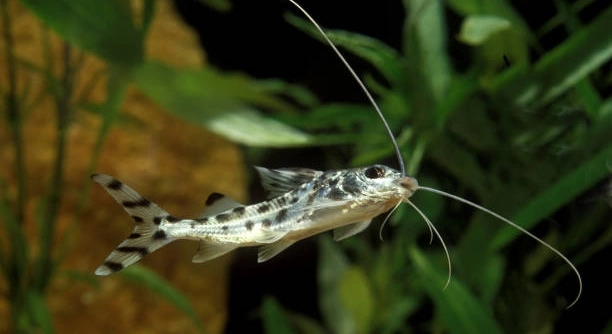
Many people enjoy keeping Pictus cats because of their calm and friendly nature. Creating a peaceful environment for these fish helps them stay healthy and active. Proper filters play a key role in maintaining clean and safe water.
The best filters for a peaceful Pictus environment combine mechanical, biological, and chemical filtration. These filters remove debris, balance water chemistry, and support beneficial bacteria, ensuring stable water quality that reduces stress and promotes the well-being of Pictus fish.
Choosing the right filters can improve your aquarium’s health and create a serene space for your Pictus to thrive. This article will explain seven ideal filter options to consider.
Understanding Mechanical Filters
Mechanical filters work by physically removing particles and debris from the aquarium water. These filters trap waste like uneaten food, fish waste, and plant matter before it breaks down and pollutes the water. Using sponges, floss, or filter pads, mechanical filtration helps keep the water clear and free of visible impurities. It is important to clean or replace these filter media regularly to maintain their effectiveness. Without mechanical filtration, the tank can quickly become dirty, affecting the health of your Pictus fish. Mechanical filters also reduce the load on biological filtration by catching solid waste first.
Mechanical filters are essential for maintaining clean water in a Pictus tank.
By catching debris early, mechanical filters help prevent water cloudiness and reduce toxins. This creates a healthier environment where beneficial bacteria can thrive. Mechanical filtration is often combined with biological and chemical filtration for complete water care. Choosing the right mechanical filter depends on the size of your aquarium and the amount of waste your fish produce. Many hobbyists use hang-on-back filters or canister filters with mechanical components for effective waste removal. Regular maintenance ensures these filters keep working well and protect your Pictus fish from harmful buildup.
The Role of Biological Filtration
Biological filtration supports the growth of good bacteria that break down harmful substances in the water.
Chemical Filtration
Chemical filtration removes dissolved impurities and toxins from aquarium water. Activated carbon is the most common medium used to absorb odors, discoloration, and harmful chemicals.
Activated carbon works by trapping organic compounds and pollutants through adsorption. This helps maintain clear water and reduces harmful substances that could stress your Pictus. However, carbon loses effectiveness over time and must be replaced regularly, usually every few weeks. Some chemical filters also use resins to remove ammonia or phosphate, which further improves water quality. It is important to choose the right chemical media based on your tank’s needs. Chemical filtration alone cannot maintain water health but supports mechanical and biological processes.
Using chemical filtration enhances overall water clarity and safety. It helps control unwanted substances that mechanical and biological filters cannot fully remove. Regular monitoring and replacement ensure it continues to benefit your aquarium environment.
Hang-On-Back Filters (HOB)
HOB filters are popular for small to medium tanks because they are easy to install and maintain. They hang on the back of the aquarium and provide all three types of filtration in one unit.
These filters pull water up through an intake tube, pass it through mechanical, biological, and chemical media, then return clean water to the tank. HOB filters are efficient at circulating water and oxygenating the aquarium. They are also versatile, allowing you to customize filter media based on your Pictus tank’s needs. Maintenance is simple—just rinse or replace the filter cartridges as needed. Their compact design keeps the aquarium looking neat without taking up space inside the tank.
HOB filters are a cost-effective and reliable choice. They provide strong filtration for maintaining a peaceful, healthy environment for your Pictus fish.
Canister Filters
Canister filters are powerful filtration systems suitable for larger aquariums. They sit outside the tank and use tubes to pull water through multiple filter media.
These filters offer excellent mechanical, biological, and chemical filtration. Their large capacity allows for customized media, which improves water quality. Canister filters also provide strong water flow and oxygenation, creating a healthy environment for Pictus fish.
Sponge Filters
Sponge filters use air pumps to push water through a sponge, providing gentle mechanical and biological filtration.
They are quiet and safe for small or delicate fish, including Pictus catfish. Sponge filters are easy to clean and help maintain beneficial bacteria, supporting stable tank conditions.
FAQ
What type of filter is best for a Pictus catfish tank?
The ideal filter combines mechanical, biological, and chemical filtration to keep the water clean and stable. Hang-on-back (HOB) and canister filters are popular because they offer all three types of filtration and strong water flow. Sponge filters are good for smaller tanks or gentle filtration. Choosing a filter depends on your tank size and the amount of waste produced.
How often should I clean or replace filter media?
Mechanical filter media like sponges or pads should be rinsed every two to four weeks in tank water to avoid killing beneficial bacteria. Chemical media, such as activated carbon, usually needs replacing every three to four weeks. Biological media requires little maintenance but should be checked occasionally to remove debris without disrupting bacteria colonies.
Can I use multiple filters in one tank?
Yes, using multiple filters can improve water quality, especially in larger tanks. Combining a canister filter with a sponge filter, for example, provides strong filtration and gentle water flow. Just be sure the filters don’t create too much current, which can stress your Pictus.
Are there filters that are too strong for Pictus catfish?
Strong currents can stress Pictus because they prefer slower-moving water. Avoid filters that create excessive flow, or add flow control attachments. Sponge filters and adjustable HOB filters are good options for controlling water movement.
Is it necessary to use chemical filtration in every tank?
Chemical filtration is helpful but not always necessary. Activated carbon removes odors and discoloration but does not replace mechanical or biological filtration. In a well-established tank, mechanical and biological filtration may be enough. Use chemical media when water quality issues arise or for added clarity.
How do biological filters work?
Biological filters provide a surface for beneficial bacteria to grow. These bacteria convert harmful ammonia and nitrite into less toxic nitrate. This process, called the nitrogen cycle, is essential for a healthy aquarium. Biological filter media usually includes porous materials like ceramic rings or sponges.
What happens if I don’t maintain my filters properly?
Poor maintenance can cause filter clogging and reduce filtration efficiency. This leads to poor water quality, which stresses fish and can cause illness or death. Regular cleaning and media replacement are necessary to keep filters working well and your Pictus healthy.
Can I use a filter without chemical media if I change water frequently?
Frequent water changes help remove toxins and waste, but they don’t replace filtration completely. Mechanical and biological filters are important to continuously process waste between water changes. Chemical media can improve clarity but is optional if water changes are done properly.
Are sponge filters noisy?
Sponge filters are generally quiet because they rely on air pumps. However, the noise level depends on the quality and placement of the air pump. Using a good air pump and positioning it properly reduces noise significantly.
Do Pictus catfish prefer a specific type of filtration?
Pictus catfish thrive in tanks with gentle water flow and clean water. Filters that provide strong biological filtration and moderate mechanical filtration with adjustable flow work best. Avoid strong currents and harsh filtration methods to keep them comfortable.
When keeping Pictus catfish, creating a peaceful and clean environment is very important. Using the right filters helps maintain water quality, which keeps the fish healthy and calm. Filters remove waste, balance chemicals, and support good bacteria that break down harmful substances. Without proper filtration, water can quickly become dirty, which can stress the fish and cause health problems. Choosing filters that fit your tank size and meet the needs of your Pictus will make a big difference in their well-being.
Mechanical filters play an important role by trapping solid waste before it can pollute the water. Biological filters support helpful bacteria that keep harmful chemicals under control. Chemical filters remove odors and toxins that the other filters might miss. Many aquarists find that combining these types of filtration works best. Hang-on-back filters and canister filters offer all three kinds and are popular choices. Sponge filters are gentle and great for smaller tanks or delicate fish. Regular cleaning and media replacement are key to keeping filters working well and your tank stable.
Overall, maintaining a good filtration system is one of the best ways to care for Pictus catfish. It reduces stress by keeping the water clear and balanced, which helps fish stay active and healthy. Filters also make tank maintenance easier by controlling waste buildup. While choosing the right filter depends on your tank size and setup, the important thing is to provide consistent water quality. Paying attention to your filters and their upkeep will create a peaceful environment where your Pictus can thrive.

Hello,
If you enjoy the content that we create, please consider saying a "Thank You!" by leaving a tip.
Every little bit helps us continue crafting quality advice that supports the health, happiness, and well-being of pets around the world, for pets of all shapes, sizes, and species.
We really appreciate the kindness and support that you show us!