
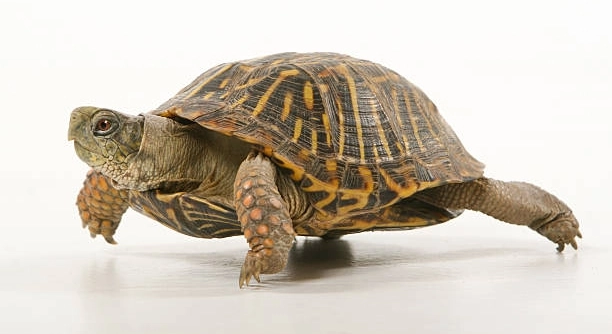
Box turtles are fascinating creatures with unique dietary needs. Ensuring they get the right balance of nutrients is essential for their overall health and well-being. A well-balanced diet supports their growth, energy, and immune function.
High-protein foods are crucial for box turtles as they help in maintaining muscle mass, healthy shell development, and overall vitality. Foods rich in protein such as insects, fish, and certain plant-based items are great additions to their diet.
These high-protein foods are not only beneficial for your turtle’s growth but also contribute to long-term health. Exploring these options will help you provide your box turtle with the right nutrition.
Insects: A Natural Protein Source
Insects are an excellent source of protein for box turtles. They offer essential nutrients that support their muscle growth and overall health. Common insects such as crickets, mealworms, and waxworms are easy to find and serve as a great addition to a turtle’s diet. When feeding insects to your box turtle, ensure they are gut-loaded for additional nutrients. Offering a variety of insects helps to keep the diet balanced and provides the turtle with different textures, promoting overall well-being. It’s also important to avoid overfeeding to maintain a healthy weight and prevent any digestive issues.
Feeding insects can be a fun and natural way to provide protein to your turtle. You can easily find these at pet stores or even in your own yard if it’s pesticide-free. Make sure they’re fresh, safe, and appropriately sized for your turtle.
Besides their protein content, insects offer other vital minerals and vitamins, such as calcium and phosphorus. These are crucial for shell and bone health. However, it’s best to feed them in moderation and mix them with other food types.
Fish: A Rich Source of Omega-3s
Fish like minnows, goldfish, and guppies are another great option for adding protein to your turtle’s diet. These small fish are rich in protein and essential fatty acids, specifically omega-3s, which support healthy skin, shell, and brain function. When feeding fish, it’s important to choose species that are safe and free of any harmful chemicals or toxins. You can find fish at pet stores or even catch them yourself from clean, pesticide-free water sources.
Adding fish to your turtle’s meals provides a variety of textures and nutrients. This variety is important for keeping your box turtle interested in their food. However, fish should be fed in moderation due to its higher fat content. You can rotate fish with other protein sources to maintain balance.
Including fish in your turtle’s diet offers both essential protein and healthy fats. This combination plays a significant role in ensuring the turtle’s health and longevity. Just remember that balance is key.
Worms: Protein-Rich and Easy to Digest
Worms like earthworms and red wigglers are another excellent source of protein for box turtles. These creatures are high in protein and are also easy to digest. Earthworms are naturally found in the environment and provide a familiar, nutritious treat. They’re a great way to ensure your turtle gets the nutrients it needs without complicated preparation.
When feeding worms, make sure to purchase them from a reliable source or collect them from your yard if it’s safe. Ensure they’re free of pesticides and chemicals. Worms are a good alternative to other protein sources and can add variety to your turtle’s diet.
Adding worms can also benefit your turtle by offering a natural source of moisture. This helps in maintaining hydration, especially during hot weather. Mixing them with other protein-rich foods will keep your turtle’s diet diverse and balanced.
Eggs: A Versatile Protein Option
Eggs are a versatile and rich source of protein for box turtles. You can feed your turtle scrambled eggs, hard-boiled eggs, or even raw egg yolks. They provide not only protein but also healthy fats and vitamins. The yolks, in particular, contain important nutrients that contribute to a healthy shell and strong bones.
While eggs are a great option, they should be given sparingly. Too many eggs can lead to an imbalance in your turtle’s diet, especially if fed in large quantities. It’s best to offer them once or twice a week.
When preparing eggs for your turtle, make sure they are cooked thoroughly to eliminate any risks of bacteria. Serving them in small portions alongside other food options ensures that your turtle gets a balanced meal with protein and additional nutrients. Eggs are also an affordable and easy-to-source option for turtle owners.
Chicken: Lean Protein for Growth
Chicken is another great protein option for box turtles. It’s low in fat and rich in protein, making it an ideal choice to support growth and muscle development. Cooked chicken without seasoning is best to avoid any harmful additives that could affect your turtle’s health.
Feeding chicken can help diversify your turtle’s diet. Ensure the chicken is fresh and free of any spices or oils that could harm your turtle. It’s a simple yet effective way to ensure your turtle gets the necessary nutrients.
Beef: A Protein-Rich Food for Turtles
Beef, while higher in fat compared to chicken, can still be a good protein source in moderation. Opt for lean cuts of beef to avoid too much fat. It’s packed with protein and essential amino acids that help support your turtle’s muscle and shell health. Ground beef or finely chopped beef can be easy for your turtle to eat.
Remember, beef should be given occasionally due to its higher fat content. Mixing it with other foods can help maintain a balanced diet. Always ensure that the meat is properly cooked to prevent the risk of bacteria.
Tofu: A Plant-Based Protein
Tofu can be a surprising but useful protein source for box turtles. This plant-based option provides a gentle alternative for turtles that may not always prefer animal-based proteins. Tofu is high in protein and contains essential amino acids that can support growth and shell strength.
Although tofu can be a good occasional addition, it should not be the primary protein source. When serving tofu, cut it into small cubes to make it easier for your turtle to consume.
FAQ
How often should I feed my box turtle protein?
Protein should be a regular part of your box turtle’s diet, but it’s important to feed it in moderation. Young, growing turtles require more protein than adults. Generally, protein-rich foods can be fed about 2-3 times a week for adults. Younger turtles may need protein every other day. It’s important to balance protein with other food types like vegetables and fruits to maintain overall health.
Can I feed my box turtle only protein?
No, box turtles need a variety of foods to stay healthy. While protein is essential for growth and maintenance, it should not be the only component of their diet. Too much protein can lead to kidney problems or obesity. A balanced diet of protein, vegetables, fruits, and calcium-rich foods ensures that your turtle stays healthy.
Is it safe to feed my box turtle raw meat?
Raw meat is not ideal for box turtles. It can pose a risk of bacterial contamination, which could cause illness. Always cook meat, including chicken, beef, and fish, thoroughly before feeding it to your turtle. Avoid seasoning or using oils, as they could harm your turtle.
What vegetables can I feed my box turtle for protein?
While vegetables aren’t as high in protein as animal-based sources, certain leafy greens and plants can still provide a moderate amount of protein. Dandelion greens, collard greens, and mustard greens are excellent choices. Additionally, vegetables like squash and carrots offer valuable vitamins and minerals to complement the protein in your turtle’s diet.
Are there any foods I should avoid feeding my box turtle?
Yes, there are several foods that should be avoided. Avoid feeding box turtles high-fat or processed foods, such as cheese, dairy, or fast food. Additionally, foods like iceberg lettuce, avocado, and rhubarb can be toxic to turtles. Stick to fresh, whole foods, and make sure any protein sources are prepared properly.
Can I feed my box turtle fruits?
Fruits are a great addition to your box turtle’s diet, but they should be given in moderation. Fruits like strawberries, blueberries, and melon are packed with vitamins and antioxidants that help support overall health. However, too much sugar can lead to digestive issues or obesity, so keep the fruit portions small.
Can I feed my box turtle fish from the pet store?
Yes, fish from the pet store are generally safe for your box turtle. However, it’s important to choose fish that are free from harmful chemicals or toxins. Avoid feeding fish that are high in fat or those treated with preservatives. Live fish or frozen fish are usually the best options.
Is it safe to feed my box turtle live insects?
Feeding live insects is safe, and in fact, it’s often a great way to encourage natural hunting behaviors. Crickets, mealworms, and other live insects are high in protein and can be a fun treat for your turtle. Be sure to source your insects from a reliable provider, and avoid using insects that have been exposed to pesticides.
How do I know if my box turtle is getting enough protein?
A healthy box turtle should have a well-rounded body, a smooth shell, and good activity levels. If your turtle is lethargic, has a poor appetite, or shows signs of a weakened shell, it could indicate a lack of protein or other nutrients. If you’re unsure, it’s a good idea to consult with a vet who specializes in reptiles.
Can I feed my box turtle processed protein sources like canned meat or deli meat?
No, processed meats like canned meat or deli meat are not suitable for box turtles. These products often contain too much salt, preservatives, and other additives that can harm your turtle. Always stick to fresh, natural protein sources that are safe and free from harmful chemicals.
What’s the best way to prepare protein for my box turtle?
When preparing protein for your box turtle, ensure that it is clean and free from any added spices, oils, or seasonings. If you’re offering meat, cook it thoroughly to eliminate harmful bacteria. For insects, you can feed them live or freeze-dried, ensuring they are gut-loaded to boost their nutritional content.
How much protein should I feed my box turtle?
The amount of protein depends on your turtle’s size and age. For adult box turtles, a small amount of protein 2-3 times a week is sufficient. For younger turtles, protein can be offered more frequently—around every other day. Always monitor your turtle’s weight and adjust food portions accordingly to avoid overfeeding.
Should I offer my box turtle protein in the form of a pellet or stick?
Pellets and sticks are convenient, but they should not be the primary source of protein. They can be included in your turtle’s diet, but it’s best to focus on fresh protein sources like insects, fish, or meat. Commercial products may contain artificial additives, so they should only be used as a supplement.
Can I feed my box turtle plant-based proteins?
Yes, plant-based proteins can be included in your box turtle’s diet. Tofu, for example, is a good source of protein, though it should be fed in moderation. Many turtles will also eat protein-rich plants such as dandelion greens. It’s important to offer a variety of protein sources to ensure balanced nutrition.
Do box turtles need more protein in the winter?
Box turtles slow down significantly in the winter, which means their protein needs decrease. However, they still need sufficient nutrients to maintain overall health. During hibernation or dormancy, reduce the amount of protein in their diet, but continue to offer occasional high-protein foods when they are awake and active.
Can I feed my box turtle the same protein every day?
It’s not recommended to feed the same protein source every day. A varied diet helps ensure your turtle receives a wide range of nutrients. Rotate between different protein sources like insects, fish, and meat to keep their diet interesting and nutritionally balanced.
Final Thoughts
Feeding your box turtle a well-balanced diet is essential for its health and longevity. Protein is an important part of their nutrition, but it must be balanced with other food groups like vegetables, fruits, and calcium-rich options. It’s important to offer a variety of proteins, such as lean meats, fish, and plant-based sources, to ensure they receive all the necessary nutrients. By diversifying their diet, you help prevent any potential nutritional deficiencies and encourage proper growth and shell development.
While protein is crucial for box turtles, it’s equally important to avoid overfeeding. Too much protein can cause long-term health issues like kidney problems or obesity. Moderation is key. Younger turtles typically require more protein than adults, but even then, feeding should be balanced with other food types. For adults, offering protein 2-3 times a week is sufficient, while younger turtles may need it more frequently. Always monitor your turtle’s activity level and weight to adjust their diet accordingly.
Taking care of your box turtle means understanding their specific needs and offering them a variety of foods. Protein-rich options like chicken, beef, and tofu can be great additions to their diet, but remember that they need more than just protein to thrive. With careful planning and the right balance, your box turtle can enjoy a healthy, long life. Always consult with a veterinarian if you have concerns or need specific advice on feeding your turtle.

Hello,
If you enjoy the content that we create, please consider saying a "Thank You!" by leaving a tip.
Every little bit helps us continue crafting quality advice that supports the health, happiness, and well-being of pets around the world, for pets of all shapes, sizes, and species.
We really appreciate the kindness and support that you show us!