
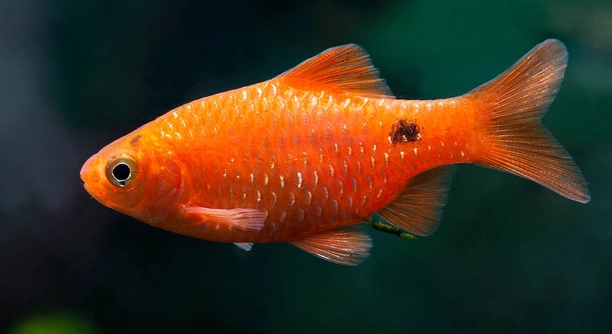
Have you ever set up the perfect tank only to notice your rosy barbs always rush to the same few hiding spots?
Rosy barbs instinctively seek out areas that offer shelter, security, and low light. They are drawn to natural formations like dense plants, rock caves, and driftwood, where they feel safe from stress and potential threats.
These hiding preferences can shape how you decorate your tank and keep your fish calm and healthy in their environment.
Dense Plants Provide Natural Cover
Rosy barbs are naturally drawn to areas that resemble their wild habitat. Dense plants offer excellent cover, making your fish feel protected and less exposed. Live plants like Java fern, hornwort, or anacharis are especially good choices. These plants grow thick and tall, allowing your barbs to weave through the leaves and find hiding spots where they feel safe. The movement of the plants with the water current also provides a calming environment. Adding dense greenery to your tank not only benefits the barbs but improves water quality and oxygenation. Use plants across different tank areas to give them several options. When your rosy barbs have places to hide, they display healthier behavior, more vibrant colors, and increased activity levels. Keeping their needs in mind while setting up their habitat can make a noticeable difference in their comfort and overall well-being.
Rosy barbs usually swim into dense plants whenever they feel startled or simply want to rest away from view.
Make sure your plants are well-rooted so your barbs don’t accidentally pull them up. Avoid placing them too close to filters or high-flow areas, as this can cause stress. A quiet, shaded corner with stable lighting and lush greenery works best. Observe which plant types they seem to prefer, and rotate new ones in occasionally to maintain variety. Plastic or silk alternatives can work, too, if cared for properly, though live plants tend to offer more natural benefits. Regardless of the type, aim to create a layered setup, combining tall and low-growth species. This helps maintain visual balance and gives your barbs the option to hide at different tank levels. Providing reliable shelter through thoughtful plant placement helps them feel secure without making the tank feel crowded or chaotic. A carefully planned aquascape can make a big difference in how your fish behave and thrive.
Driftwood and Caves Offer Structure
Rosy barbs love darting behind driftwood and rock caves, especially when they’re feeling nervous or overstimulated by tank activity.
Natural décor pieces like driftwood and stone caves mimic the sheltered spaces rosy barbs seek out in the wild. These structures provide a solid, enclosed area where your barbs can hide or rest undisturbed. Driftwood, in particular, is a popular option because of its soft, dark texture and the way it helps lower tank lighting by casting shadows. When placing driftwood or caves in the tank, position them in less active zones, away from direct currents. Try to choose pieces with natural holes or openings your fish can easily swim through. Rock caves should be stable and not prone to shifting; use aquarium-safe glue if needed. Avoid placing too many structures too close together—this can create dead zones where waste collects. Keep the tank easy to clean while still providing ample structure. With proper placement, these additions offer your rosy barbs a consistent sense of shelter.
Low-Light Corners Bring a Sense of Calm
Rosy barbs often swim toward dim corners of the tank when they want to feel less exposed. These shaded areas help lower their stress levels and create a more relaxed environment, especially during busy or high-traffic periods around the aquarium.
Shadows from decorations, plants, or room lighting naturally form darker zones in the tank. Rosy barbs are quick to notice these spots and gravitate toward them. You can create intentional low-light corners using floating plants like duckweed or frogbit, or by positioning taller plants near one side of the tank. It’s also helpful to avoid harsh lighting directly overhead, especially if the tank is placed in a well-lit room. A darker corner gives your fish a place to retreat without needing to fully hide, which can reduce anxiety. Keep an eye on which shaded areas they favor and maintain that balance during cleaning or rearranging.
Some barbs spend most of their time in these calm corners, especially if the rest of the tank is bright or active. A quiet, shadowed space gives them a break from constant stimulation. It also helps keep aggression low in community tanks. If your barbs seem jumpy or skittish, try softening the lighting overall and limit sudden brightness changes. Adding adjustable LED lights or placing the tank away from windows can help. These small changes often lead to more confident swimming behavior over time. Rosy barbs may still zip around playfully, but they’ll appreciate having one peaceful place to recharge.
Behind the Filter Provides Gentle Movement
The area behind a sponge or internal filter is often one of the first places rosy barbs will explore when placed in a new tank. It’s calm, slightly hidden, and offers gentle water movement without strong current.
Many fish avoid high-flow zones, but rosy barbs enjoy areas where water gently circulates without pushing them around. Behind the filter offers this balance, giving them a soft current while still feeling tucked away. This spot is also naturally dimmer and quieter. If your filter has a wide base or sponge attachment, your barbs may slip behind it to relax or nap. The back wall adds a sense of protection, reducing visual exposure from all sides. When setting up your filter, avoid pointing the output directly at the glass—this helps create a quiet patch behind it. Over time, you’ll likely see the same barb return to this area repeatedly, especially after a feeding or swim session.
Near Heater Units for Warmth and Safety
Rosy barbs sometimes gather near the heater, especially during colder months or right after water changes. The warmth provides comfort, and the unit itself creates a small, hidden nook that feels safe and familiar.
The steady hum and position of the heater often create a low-stress zone. Your barbs may hover nearby quietly, using it as a rest area when other spots feel too open or bright.
In and Around Tank Decorations
Hollow ornaments, ceramic tunnels, and themed decorations offer excellent hiding spots. Rosy barbs enjoy slipping through narrow openings or sitting just behind them, where they feel secure. These items should be free of sharp edges and properly rinsed before adding them to avoid injury or irritation.
Behind Background Layers
If your tank has a 3D or foam background, rosy barbs may find their way behind loose edges or small gaps. These areas feel safe and untouched.
FAQ
Why do rosy barbs hide so often?
Rosy barbs hide as a natural behavior to feel safe. In the wild, they avoid predators by seeking shelter in plants, rocks, or shaded areas. In an aquarium, hiding helps reduce stress, especially if the environment is new, bright, or noisy. It also gives them a chance to rest away from more active tank mates.
Are rosy barbs hiding because they are sick?
Not always. Hiding is normal, but if your rosy barbs suddenly hide more than usual and show other signs like loss of appetite, sluggish movement, or faded color, they might be ill. Common illnesses include bacterial infections or parasites. Check water quality and monitor behavior closely.
How can I make my tank more comfortable for rosy barbs?
Adding plenty of plants, driftwood, and decorations creates hiding spots that mimic their natural environment. Soft lighting or shaded areas reduce stress. Stable water parameters with proper temperature (around 68–75°F) and clean water are essential. Avoid overcrowding and aggressive tank mates.
Do rosy barbs need constant hiding spots?
Yes, they benefit from having accessible shelters at all times. It helps them feel secure and confident. Without enough cover, they can become stressed or aggressive. Regularly inspect and maintain these areas so they remain safe and inviting.
Can hiding indicate aggression among rosy barbs?
Sometimes. If some fish are bullying others, the less dominant barbs might hide to avoid conflict. Watch for chasing or nipping behavior. If aggression is present, consider increasing the tank size, adding more hiding spots, or separating aggressive individuals.
What type of plants are best for rosy barbs to hide in?
Fast-growing, dense plants work well, such as hornwort, anacharis, and Java fern. Floating plants like duckweed provide shaded areas on the surface. These plants create thick cover at various levels, offering multiple options for hiding and resting.
How often should I rearrange hiding spots in the tank?
Occasionally changing the layout can encourage exploration and reduce boredom. However, avoid frequent or drastic changes, as this may stress your fish. A good rule is to rearrange once every few months, keeping familiar spots while adding variety.
Is it okay if rosy barbs hide behind the filter?
Yes, this is a common behavior. The gentle flow and shelter behind filters make it a favorite spot. Ensure the filter is clean and safe, with no sharp parts exposed. Avoid strong currents that might tire the fish or make hiding uncomfortable.
Should I worry if rosy barbs hide near the heater?
Not necessarily. Heaters provide warmth, which fish often seek, especially after water changes. Just make sure the heater is properly secured and the temperature stable. Barbs will move away if the area becomes too warm or uncomfortable.
Can decorations cause problems if used as hiding spots?
Only if they have sharp edges, rough surfaces, or are made from unsafe materials. Always use aquarium-safe decorations and rinse them thoroughly before adding them. Decorations should be stable and not likely to topple or trap fish.
Do rosy barbs hide more in community tanks?
It depends on tank size and companions. In larger tanks with peaceful fish and plenty of hiding spots, barbs feel secure and hide less. In smaller or crowded tanks with aggressive fish, barbs may hide more to avoid stress and bullying.
What signs show that hiding is excessive?
If rosy barbs spend almost all their time hidden and rarely swim or feed, it may indicate stress, illness, or poor tank conditions. Monitor their behavior and water quality, and consider consulting a vet or aquarium expert if hiding persists.
Can lighting affect hiding behavior?
Yes. Bright, harsh lighting can make barbs seek shade more often. Using dimmable lights or providing floating plants can soften the light. Creating a natural day-night cycle helps maintain normal behavior and reduces excessive hiding.
Are there other benefits to providing hiding spots besides reducing stress?
Yes. Hiding spots promote natural behavior, support social hierarchy, and reduce aggression. They also encourage resting, which helps maintain fish health. A well-structured tank with hiding places supports overall wellbeing and longevity of rosy barbs.
Final Thoughts
Creating a comfortable and safe environment for rosy barbs is essential to their health and happiness. These fish naturally seek out hiding spots where they can feel secure and avoid stress. Providing plenty of plants, decorations, and shaded areas helps meet this need. When barbs have several good places to hide, they show more natural behaviors and become more confident swimmers. Setting up a tank with their preferences in mind reduces the chances of aggressive behavior and promotes peaceful interactions among all fish.
Understanding the hiding habits of rosy barbs also helps with tank maintenance and care. When you know where your fish like to rest or take cover, it becomes easier to monitor their health and behavior. Hiding is normal, but changes in how often or where your barbs hide may signal stress or illness. Regularly checking these spots can alert you early to problems. Maintaining good water quality, stable temperature, and clean surroundings also supports their well-being. A tank that balances activity areas with plenty of quiet corners keeps rosy barbs both active and relaxed.
Ultimately, paying attention to where your rosy barbs hide is a key part of responsible fishkeeping. Creating an environment that matches their natural instincts ensures they feel secure and comfortable. This leads to healthier, more vibrant fish that add beauty and life to your aquarium. Thoughtful decoration, gentle lighting, and steady water conditions all contribute to this. Providing consistent care and understanding their behaviors will help your rosy barbs thrive over time. A well-planned tank not only benefits the fish but also makes the experience more enjoyable for you.

Hello,
If you enjoy the content that we create, please consider saying a "Thank You!" by leaving a tip.
Every little bit helps us continue crafting quality advice that supports the health, happiness, and well-being of pets around the world, for pets of all shapes, sizes, and species.
We really appreciate the kindness and support that you show us!