
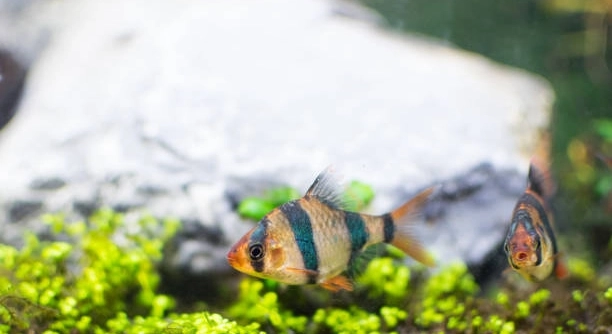
Barbering in pets can sometimes be a hidden sign of stress, even when it looks like simple grooming. Many animals develop subtle habits that reveal their discomfort or anxiety over time. Recognizing these signs early helps in addressing their needs effectively.
Barber stress often manifests through specific hiding habits, such as seeking isolated spaces, repetitive grooming, or avoiding interaction. These behaviors serve as coping mechanisms to reduce anxiety and signal underlying welfare concerns that require attention and intervention.
Understanding these hiding habits can improve how we care for stressed animals and prevent further behavioral problems. This article will explain common signs that often go unnoticed but are important for pet well-being.
Seeking Out Small, Enclosed Spaces
When a pet feels stressed, it often looks for small, enclosed spaces to hide. These areas can be under furniture, inside boxes, or behind curtains. The confined space helps them feel safer and less exposed to threats. Pets may retreat more frequently as stress increases, showing a clear need to escape their surroundings. This behavior isn’t about being shy but about managing discomfort. Owners might notice their pets spending more time alone in these hiding spots. It’s important to observe changes in behavior because increased hiding can signal that something is wrong. Addressing the cause of stress can reduce the need for these retreats and improve the pet’s overall mood and health.
Pets hiding more than usual is a clear sign of discomfort or stress.
By recognizing this habit early, you can help your pet feel safer and reduce anxiety before it worsens. Creating calm and predictable environments encourages pets to come out more often, improving their well-being.
Excessive Grooming or Self-Biting
Excessive grooming or self-biting is a common stress reaction that often goes unnoticed. Pets may lick or chew themselves more than usual, sometimes causing bald patches or sores. This behavior is a physical response to anxiety and a way to self-soothe. It may seem like simple grooming, but when it becomes constant, it points to deeper emotional distress. Owners should watch for these signs as they indicate the pet’s need for help and comfort. Identifying triggers such as changes in the environment or routine can reduce this behavior. Consulting with a veterinarian can provide solutions to manage stress and prevent skin damage, improving the pet’s quality of life.
Avoiding Eye Contact
Pets under stress often avoid eye contact as a way to show submission or reduce tension. They may look away quickly or keep their gaze low to avoid confrontation or discomfort.
This behavior is a natural response in many animals to stressful situations. Avoiding direct eye contact helps them feel less threatened and can prevent escalation of fear or aggression. While it may seem like shyness, it’s actually a sign the pet is trying to cope with anxiety or uncertainty in its environment. Recognizing this can help owners be more patient and gentle during interactions. Over time, building trust and providing calm experiences can encourage pets to feel more comfortable making eye contact.
It’s important to respect a pet’s signals and avoid forcing eye contact, which can increase stress. Instead, allowing pets to approach in their own time helps rebuild confidence and reduces anxiety.
Restlessness and Pacing
Restlessness and pacing are clear signs that a pet is struggling with stress. These repetitive movements show they are unable to relax and feel unsettled.
Pets may pace back and forth or move continuously in circles when feeling anxious or overwhelmed. This behavior can occur when they are in unfamiliar surroundings or experiencing changes in their routine. Pacing is a way to release nervous energy but can also lead to exhaustion if it continues for long periods. Owners should observe when and why pacing happens to better understand the triggers. Creating a calm space and offering mental or physical stimulation can help reduce restlessness. It’s also useful to provide consistent daily routines to support a pet’s sense of security. If pacing worsens or is accompanied by other troubling signs, consulting a veterinarian is recommended to address possible underlying issues.
Changes in Eating Habits
Stress can cause pets to eat less or more than usual. A sudden drop or increase in appetite is often a sign of discomfort or anxiety.
Noticing these changes early helps address the cause of stress. Feeding routines may need adjustment to support their health during stressful times.
Increased Vocalization
Pets sometimes become more vocal when stressed. They may bark, meow, or make other noises more often than usual. This is a way to express discomfort or seek attention. Increased vocalization often signals that a pet feels unsettled or overwhelmed.
Resting in Unusual Places
Pets under stress may choose to rest in unusual spots. They might lie in corners, on hard floors, or away from their favorite areas. This behavior shows they are trying to find a place where they feel safer or less disturbed. Recognizing this change can help identify stress early and improve their environment.
FAQ
What causes barber stress in pets?
Barber stress in pets is usually caused by anxiety, boredom, or changes in their environment. Loud noises, lack of attention, or conflicts with other pets can increase stress levels. When pets feel unsafe or overwhelmed, they may groom excessively or hide to cope.
How can I tell if my pet’s grooming is due to stress?
If grooming is constant, leads to bald spots, or causes skin irritation, it may be related to stress. Normal grooming is quick and occasional, but stressed pets often lick or chew the same spot repeatedly. Watching for these patterns can help you identify stress.
Is hiding always a bad sign?
Not necessarily. Sometimes pets just want quiet or rest. However, if hiding increases suddenly or lasts for long periods, it could mean the pet is feeling stressed or unwell. Monitoring how often and when they hide gives clues about their emotional state.
What should I do if my pet is hiding too much?
Try to create a calm environment and reduce sudden changes. Make sure they have safe spaces but encourage gentle social interaction. If hiding persists, consulting a vet or animal behaviorist can help find the root cause.
Can changes in diet help reduce stress?
Yes, a balanced diet supports overall health and can improve mood. Sometimes, supplements like omega-3 fatty acids or calming treats are recommended. Always check with a vet before changing your pet’s diet to ensure it suits their needs.
How important is exercise in managing stress?
Exercise plays a big role in reducing stress. Regular walks, playtime, or mental activities help pets burn off nervous energy and feel more relaxed. Lack of physical activity often worsens anxiety and stress behaviors.
Are there any signs that indicate stress is getting worse?
Yes. Signs include increased aggression, refusal to eat, self-harm, or withdrawal. If these happen, stress may be severe and professional help is needed. Early action is best to prevent long-term issues.
Can pets get used to stressful environments over time?
Sometimes they adapt, but chronic stress can harm their health. It’s better to minimize stressors and provide comfort rather than let pets adjust to ongoing discomfort.
Is professional help necessary for all stressed pets?
Not always. Mild stress can improve with changes at home. However, if behaviors persist or worsen, a vet or behavior specialist can provide treatments or therapies to help.
What simple steps can I take at home to reduce barber stress?
Maintain a consistent routine, provide safe hiding spots, offer toys and activities, and spend quality time with your pet. Reducing loud noises and sudden changes also helps pets feel secure.
How long does it take for pets to recover from stress?
Recovery time varies. Some pets improve within days, while others may take weeks or months depending on the cause and their personality. Patience and support are key.
Can stress affect a pet’s physical health?
Yes. Chronic stress can weaken the immune system, cause skin problems, and lead to digestive issues. Managing stress benefits both emotional and physical health.
Are certain breeds more prone to barber stress?
Some breeds may be more sensitive due to temperament, but stress can affect any pet. Knowing your pet’s personality helps tailor care to prevent stress.
How can I prevent barber stress from developing?
Provide a stable environment, regular exercise, social interaction, and mental stimulation. Early recognition of signs helps prevent escalation.
What role does socialization play in stress management?
Proper socialization reduces fear and anxiety around people and other animals. Pets comfortable in different settings tend to be less stressed.
Can changes in the home, like moving or new pets, trigger stress?
Yes. Such changes disrupt routines and cause uncertainty. Introducing changes slowly and with care can lessen their impact.
How do I know when to seek veterinary advice?
If stress behaviors last more than a week, cause physical harm, or are accompanied by illness, consult a vet. Early intervention improves outcomes.
Stress in pets can be hard to notice at first because many animals try to hide how they feel. Barber stress is one example where pets groom themselves too much or show other hiding habits to deal with anxiety. These behaviors are not just simple quirks—they often mean the pet is struggling with something in their environment or daily routine. Understanding and recognizing these signs early is important because it allows owners to help their pets before the stress causes more serious health or behavioral problems.
It is important to remember that every pet is different and may show stress in unique ways. Some may hide in small spaces or avoid eye contact, while others might pace or become more vocal. None of these behaviors should be ignored, even if they seem mild at first. By paying close attention and responding with patience and care, owners can create a safer and calmer environment for their pets. Small changes like keeping a consistent schedule, offering quiet spots, and providing regular exercise can make a big difference in reducing stress levels.
If stress behaviors continue or worsen, seeking advice from a veterinarian or animal behavior expert is a good step. Professionals can help identify any underlying causes and suggest treatment options to support the pet’s mental and physical health. Taking time to understand these hiding habits and stress signals shows a commitment to a pet’s well-being. With the right care and attention, pets can feel more secure and comfortable, leading to a happier and healthier life.

Hello,
If you enjoy the content that we create, please consider saying a "Thank You!" by leaving a tip.
Every little bit helps us continue crafting quality advice that supports the health, happiness, and well-being of pets around the world, for pets of all shapes, sizes, and species.
We really appreciate the kindness and support that you show us!