
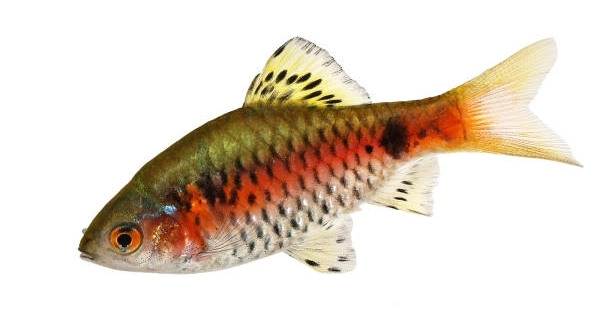
Rosy barbs are popular aquarium fish known for their bright colors and active nature. Keeping them healthy requires attention to their environment and care. Many tank hazards can quietly affect their well-being without obvious signs.
Seven hidden tank hazards can disturb rosy barbs, including poor water quality, inappropriate tank mates, insufficient oxygen levels, overcrowding, incorrect pH balance, sudden temperature changes, and inadequate filtration. These factors contribute to stress and illness in the fish.
Recognizing these risks early can help you maintain a safe and comfortable home for your rosy barbs and keep them thriving for years.
Poor Water Quality
Water quality plays a major role in the health of rosy barbs. When tanks are not cleaned regularly or filtration is weak, harmful substances like ammonia and nitrites build up. These chemicals stress the fish and damage their gills, making it hard to breathe. Barbs may become lethargic or lose their bright color. It’s important to test water parameters often and do partial water changes to keep the environment safe. Avoid overfeeding because leftover food decomposes and pollutes the water. Using a reliable water conditioner also helps remove chlorine and heavy metals from tap water. Maintaining stable water conditions reduces stress and prevents common illnesses, allowing rosy barbs to thrive and display their natural behaviors.
Poor water quality is one of the most common hazards affecting rosy barbs and can be avoided with proper care.
Regular water testing, partial water changes, and good filtration are the best ways to keep your tank safe. Ensuring clean water helps keep rosy barbs healthy and active.
Inappropriate Tank Mates
Choosing the right tank mates for rosy barbs is essential. Aggressive or overly timid fish can cause stress or injury. Barbs are active swimmers and prefer companions with similar energy. Avoid housing them with very slow or small fish that might get bullied or eaten. Some large, aggressive species may attack barbs or compete for food, causing imbalance in the tank. Ideal tank mates include other peaceful, medium-sized fish like danios or tetras. Compatibility promotes calm interactions and reduces territorial disputes. Carefully selecting tank mates helps maintain a peaceful environment where rosy barbs can swim freely without fear. Monitor interactions, especially after adding new fish, to prevent any signs of stress or aggression. A well-chosen community tank supports the health and happiness of all its residents.
Insufficient Oxygen Levels
Low oxygen in the tank can cause rosy barbs to gasp at the surface or become sluggish. Proper aeration is necessary for their health.
Oxygen enters the water mainly through surface agitation and plants. If the tank is overcrowded or poorly aerated, oxygen levels drop. Use air stones or filters that create water movement to improve oxygen exchange. Avoid covering the tank completely, as this limits fresh air flow. Regular maintenance of equipment also helps keep oxygen levels steady. Healthy oxygen levels support the fish’s metabolism and reduce stress, preventing illnesses caused by oxygen deprivation.
Barbs are active fish that need well-oxygenated water to swim and grow properly. Ensuring good aeration keeps them energetic and healthy in the tank environment.
Overcrowding
Too many fish in a tank leads to overcrowding, which creates stress and poor water quality. This can cause disease and aggression among rosy barbs.
Overcrowding reduces space for swimming and increases waste buildup, causing ammonia and nitrite spikes. These toxins harm the fish’s health and can weaken their immune system. Barbs may fight over territory or food when crowded, leading to injuries. The ideal stocking level depends on tank size and filtration capacity, but generally, one inch of fish per gallon of water is a good rule. Avoid adding too many fish at once, as the filter may not handle the sudden waste increase. Proper tank size and population management create a balanced, stable environment where rosy barbs can thrive with less stress and fewer health issues.
Incorrect pH Balance
Maintaining the right pH balance is important for rosy barbs. Their ideal pH range is between 6.5 and 7.5. Outside this range, fish can become stressed or sick.
Regular testing helps catch pH shifts early. Sudden changes should be avoided, as barbs need time to adjust.
Sudden Temperature Changes
Rapid temperature changes shock rosy barbs and weaken their immune system. Avoid placing the tank near windows, heaters, or air conditioners. Use a reliable heater with a thermostat to keep temperature stable.
Inadequate Filtration
Filters remove waste and toxins from the tank. A weak or clogged filter reduces water quality and harms rosy barbs. Regular cleaning and choosing the right filter size for your tank keeps water clear and safe.
What causes rosy barbs to lose their color?
Rosy barbs lose color mainly due to stress and poor water conditions. When water quality is low, or the tank environment changes suddenly, barbs may appear pale. Overcrowding, wrong pH levels, or aggressive tank mates can also make their colors fade. Proper maintenance and a stable environment help keep their bright hues vibrant.
How often should I clean the tank to protect rosy barbs?
Cleaning depends on tank size and population, but generally, a partial water change of 20-30% every week is recommended. This removes waste and keeps harmful chemicals low. Regular filter maintenance is also essential to prevent buildup that can affect water quality and fish health.
Can rosy barbs live with other fish species?
Yes, rosy barbs can live peacefully with other fish if tank mates are chosen carefully. They do well with medium-sized, non-aggressive species like danios, tetras, or peaceful barbs. Avoid slow-moving or very small fish that may be bullied or eaten.
What is the ideal tank size for rosy barbs?
A minimum of 20 gallons is recommended for a small group of rosy barbs. They are active swimmers and need space to move freely. Larger tanks help maintain stable water conditions and reduce stress caused by overcrowding.
How can I tell if my rosy barbs are stressed?
Signs of stress include faded color, erratic swimming, hiding, loss of appetite, and gasping at the surface. Stress weakens their immune system and makes them vulnerable to disease. Check water quality and tank conditions immediately if you notice these behaviors.
What temperature should I keep my tank at?
Rosy barbs thrive at temperatures between 64°F and 72°F (18°C to 22°C). Avoid sudden changes and keep the temperature stable using a heater and thermometer. Fluctuations can cause stress and lead to health problems.
What should I feed rosy barbs?
A varied diet of high-quality flakes, pellets, and occasional live or frozen foods like brine shrimp or bloodworms is best. Feeding small amounts 1-2 times a day keeps them healthy and vibrant. Overfeeding can pollute the tank and cause health issues.
How do I prevent diseases in rosy barbs?
Maintaining good water quality, proper tank size, and suitable tank mates is key. Quarantine new fish before adding them to the main tank to avoid introducing illness. Watch for early signs of disease and treat promptly with appropriate medication.
Can rosy barbs handle different water hardness levels?
Rosy barbs prefer moderately hard water, between 5-19 dGH. Extremely soft or hard water can stress them. Test water hardness regularly and adjust with water conditioners if necessary to keep it within this range.
Is lighting important for rosy barbs?
Yes, lighting affects their behavior and color. Provide about 8-10 hours of moderate light daily. Too much light may cause algae growth, while too little can dull their colors. Using a timer helps keep lighting consistent.
Keeping rosy barbs healthy requires attention to many small but important details. Tank hazards like poor water quality, overcrowding, and sudden changes in temperature or pH can cause stress and illness. These problems often go unnoticed until the fish show signs of distress. By understanding these hidden risks, you can take steps to create a stable environment where your rosy barbs thrive. Regular water testing, proper tank maintenance, and choosing compatible tank mates are all part of good care. This helps keep the fish active, colorful, and less likely to fall sick.
It is important to remember that even small mistakes in tank management can affect your rosy barbs over time. Avoid overfeeding and keep up with partial water changes to prevent toxins from building up. Using the right filtration and ensuring good oxygen levels also support their health. Monitoring water parameters like pH and hardness helps you catch issues before they become serious. Taking a calm and consistent approach to aquarium care creates a peaceful home for your fish. This reduces stress and allows them to show their natural behavior and colors.
Ultimately, patience and attention are key when caring for rosy barbs. These fish are resilient but rely on us to maintain the right conditions. By staying informed about common hazards and adjusting your care routine as needed, you help protect their health and longevity. A well-kept tank benefits not only the fish but also makes the aquarium more enjoyable to watch. When your rosy barbs are healthy and comfortable, it’s rewarding to see them flourish over time. Small efforts make a big difference in their quality of life.

Hello,
If you enjoy the content that we create, please consider saying a "Thank You!" by leaving a tip.
Every little bit helps us continue crafting quality advice that supports the health, happiness, and well-being of pets around the world, for pets of all shapes, sizes, and species.
We really appreciate the kindness and support that you show us!