
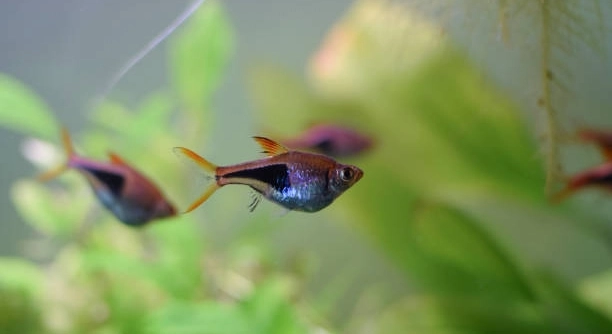
Rasboras are small, colorful fish often kept in home aquariums. They can be more sensitive to changes in their environment than many realize. This sensitivity can reveal hidden stressors affecting their well-being.
Rasboras detect various hidden stressors including poor water quality, inadequate tank size, sudden temperature changes, improper diet, aggressive tank mates, lack of hiding places, and inconsistent lighting. These factors collectively impact their health and behavior significantly.
Recognizing these stressors early helps maintain a healthy aquarium and supports your rasboras’ comfort and vitality over time.
Poor Water Quality
Maintaining good water quality is essential for rasboras. These fish are sensitive to ammonia, nitrites, and nitrates, which can build up quickly in tanks without proper filtration or regular water changes. Even small changes in pH or hardness can cause stress. If water conditions worsen, rasboras may become lethargic, stop eating, or develop health problems. Testing water frequently and performing weekly water changes can keep harmful chemicals low. It’s important to use a reliable water conditioner and avoid overfeeding, which can increase waste. Keeping the tank clean helps create a stable environment where rasboras thrive. A well-balanced nitrogen cycle supports their health and reduces stress. Watching for signs like gasping at the surface or faded colors can help catch water quality issues early.
Water quality issues often go unnoticed until fish show clear signs of distress, making regular checks crucial.
Clean water creates a comfortable habitat, allowing rasboras to display their natural colors and behavior beautifully. Proper care keeps your aquarium balanced.
Inadequate Tank Size
Rasboras need enough space to swim freely and form social groups. A small tank restricts their movement and increases stress, which can lead to illness. They are active swimmers and feel safer in groups of at least six. Overcrowding raises waste levels and can cause aggression among tank mates. A tank size of at least 20 gallons is recommended for a small school. Providing enough room also supports stable water conditions by diluting toxins. Limited space can reduce oxygen levels, impacting their health. In larger tanks, decorations like plants and hiding spots give them places to rest and reduce anxiety. Investing in a properly sized tank ensures your rasboras live longer and remain energetic.
When space is limited, rasboras show signs of stress like hiding or loss of color. Proper tank size is a simple way to improve their quality of life.
Sudden Temperature Changes
Sudden temperature shifts stress rasboras and affect their immune system. They thrive in stable temperatures between 72°F and 79°F. Rapid drops or spikes can cause illness.
Keeping the tank temperature consistent is important. Use a reliable heater and thermometer to monitor changes. Avoid placing the tank near windows or vents where drafts or sunlight can cause fluctuations. When doing water changes, make sure the new water matches the tank temperature closely. Sudden changes make rasboras more vulnerable to diseases like ich or fin rot. Stability helps them stay active and healthy.
Slow, gradual temperature adjustments are best if changes are necessary. This reduces shock and allows their bodies to adapt comfortably.
Improper Diet
Rasboras need a balanced diet for good health and vibrant color. Feeding only flakes or one type of food can lead to nutritional deficiencies.
A varied diet including high-quality flakes, frozen or live foods like brine shrimp and daphnia supports their growth and immune system. Overfeeding should be avoided as it can pollute the water and cause obesity. Small, frequent feedings mimic their natural eating habits. Watching their eating behavior helps ensure they get enough nutrition without leftovers. A healthy diet strengthens their resistance to stress and disease, promoting longevity in the tank. Supplementing with vegetable-based foods occasionally adds fiber and variety. Feeding them well is one of the easiest ways to keep rasboras happy and healthy.
Aggressive Tank Mates
Aggressive fish can stress rasboras by chasing or bullying them. Rasboras are peaceful and do best with calm, compatible species.
Avoid keeping them with large or territorial fish. Stress from aggression can lead to injury or hiding, reducing their activity and appetite.
Lack of Hiding Places
Rasboras need places to retreat when feeling threatened or stressed. Without enough plants, rocks, or decorations, they may become anxious.
Providing plenty of hiding spots helps reduce stress, encourages natural behavior, and improves their overall well-being.
Inconsistent Lighting
Sudden changes in lighting or too much light can unsettle rasboras. They prefer a stable light cycle that mimics natural day and night.
Inconsistent lighting can disrupt their sleep patterns and increase stress, leading to health problems. Maintaining a regular lighting schedule supports their comfort.
FAQ
What are the first signs that rasboras are stressed?
Rasboras often show stress through changes in behavior or appearance. You might notice them hiding more than usual, swimming erratically, or losing their bright colors. They may stop eating or become lethargic. Rapid breathing or gasping at the water surface can also signal discomfort. Watching these signs early helps prevent serious health problems.
How often should I test my aquarium water?
Testing water once a week is ideal to keep track of ammonia, nitrites, nitrates, and pH levels. Regular testing helps catch issues before they harm your fish. If you notice unusual behavior or illness, test immediately. Maintaining stable water parameters is key to rasboras’ health.
Can rasboras live with other fish species?
Yes, rasboras can live with peaceful fish like small tetras, guppies, or corydoras catfish. Avoid aggressive or large species that may bully or eat them. Compatibility reduces stress and promotes a peaceful tank environment.
What is the best diet for rasboras?
A balanced diet includes high-quality flakes or pellets, supplemented with live or frozen foods like brine shrimp and daphnia. Variety ensures they get all needed nutrients. Feed small amounts twice daily and avoid overfeeding to prevent water pollution.
How do I create a comfortable environment for rasboras?
Provide a tank of at least 20 gallons with stable temperature and water quality. Include plenty of plants and hiding spots to reduce stress. Keep a consistent lighting schedule and avoid sudden changes in water or temperature.
Why do rasboras lose their color?
Color loss often indicates stress or poor health caused by bad water quality, improper diet, or aggressive tank mates. It can also happen when they feel unsafe or uncomfortable in the tank. Improving conditions usually helps their color return.
How can I reduce aggression in my aquarium?
Choose compatible, peaceful species and avoid overcrowding the tank. Providing hiding places and ample space helps reduce territorial behavior. Keep stress low by maintaining good water quality and stable conditions.
Is it necessary to quarantine new fish before adding them to the tank?
Yes, quarantining new fish for at least two weeks helps prevent introducing diseases or parasites. It allows you to monitor their health and avoid stress to your existing fish.
What temperature range is best for rasboras?
Rasboras do well in temperatures between 72°F and 79°F. Keeping the temperature stable within this range reduces stress and supports their immune system.
How do I know if my filter is working properly?
A good filter keeps water clear, removes waste, and maintains oxygen levels. Check for consistent water flow and clean the filter media regularly without removing beneficial bacteria. If water looks cloudy or smells bad, the filter may need attention.
Can lighting affect rasboras’ behavior?
Yes, too much or inconsistent lighting can stress rasboras. A regular light cycle of about 8 to 10 hours mimics their natural habitat and helps maintain healthy behavior and sleep patterns.
What should I do if my rasboras get sick?
Isolate sick fish in a quarantine tank if possible. Test water quality and improve conditions. Use appropriate medications based on symptoms and consult a specialist if unsure. Early treatment is important to prevent spread and support recovery.
Final Thoughts
Rasboras are beautiful and peaceful fish that add life to any aquarium. Keeping them healthy means paying attention to details that might seem small but make a big difference. Hidden stressors like poor water quality, sudden temperature changes, or the wrong tank mates can quietly harm them. These stressors affect their behavior, health, and how long they live. Being aware of these factors helps provide a safe and comfortable environment where rasboras can thrive. It’s not just about feeding them or cleaning the tank; it’s about creating a balanced space that meets their needs.
One of the most important things to remember is consistency. Rasboras do best when their tank conditions stay stable. This includes temperature, water quality, lighting, and even the layout of their habitat. Sudden changes or poor care can cause stress, which weakens their immune system and leads to illness. Taking small steps like regular water testing, proper feeding, and giving them enough space can prevent many problems. Including hiding spots and choosing peaceful tank mates also help reduce stress. Stability and routine in care show in the fish’s behavior and vibrant colors, making your aquarium a pleasant sight.
Finally, caring for rasboras requires attention and patience. They may seem delicate, but with proper care, they are hardy and lively. Observing their behavior daily can reveal if something is wrong before it becomes serious. Simple actions, such as quarantining new fish, maintaining a clean tank, and providing a varied diet, go a long way in supporting their health. Understanding the hidden stressors that affect rasboras allows you to give them the best possible care. In the end, creating a healthy environment benefits not just the fish, but also your enjoyment of the aquarium.

Hello,
If you enjoy the content that we create, please consider saying a "Thank You!" by leaving a tip.
Every little bit helps us continue crafting quality advice that supports the health, happiness, and well-being of pets around the world, for pets of all shapes, sizes, and species.
We really appreciate the kindness and support that you show us!