
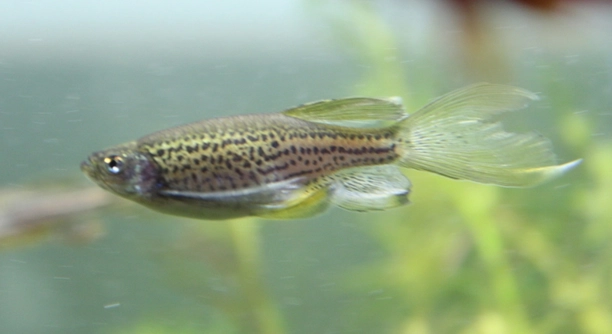
Zebra Danios are active and resilient fish, but illness can sometimes go unnoticed. Recognizing early signs of distress is essential to ensuring their health and well-being in the aquarium. Monitoring these signs can prevent more serious issues.
Zebra Danio illness can often present subtle signs that are easy to overlook. These include changes in behavior, physical appearance, and eating habits. Being aware of these signs is crucial for early intervention and proper care.
Identifying hidden signs early on can prevent potential health problems and help maintain a healthy aquarium environment for your zebra danios.
Unexplained Changes in Behavior
When your zebra danio starts behaving differently, it could be a sign of illness. Sudden lethargy, erratic swimming, or staying at the water’s surface for long periods may indicate something is wrong. This type of behavior often points to stress, water quality issues, or an underlying infection.
Water changes, temperature fluctuations, or poor water quality can contribute to this abnormal behavior. When these factors are not managed, zebra danios can become stressed, leading to a lack of energy or refusal to swim actively. If these signs persist, a closer look at the tank conditions and fish health is needed.
If the water parameters, such as pH, ammonia levels, or temperature, are not within a safe range, your zebra danio may not swim normally. They may also begin to avoid food or act as though they are struggling to breathe. Testing the water and ensuring the right conditions are maintained can help prevent these problems.
Loss of Appetite
If your zebra danio refuses food, it could be an early warning sign. Appetite loss in these fish can stem from poor water conditions, stress, or illness.
Fish that suddenly stop eating may also exhibit other symptoms, such as swollen bellies or clamped fins. If the loss of appetite continues, it’s important to assess their surroundings. Check for any changes in the environment, as zebra danios may not eat if they feel unsafe or uncomfortable. If the problem persists, a more thorough examination of their health is necessary.
Maintaining a consistent feeding schedule and a stable tank environment is key to ensuring your zebra danios are healthy and hungry. Avoid overfeeding, which can pollute the water, and always monitor for any changes in their eating habits. If the issue isn’t resolved by adjusting their environment, further steps should be taken to diagnose the problem.
Faded or Dull Coloring
A zebra danio’s vibrant stripes are one of its most noticeable features. If their colors begin to fade or dull, it may signal stress, poor water conditions, or disease. Healthy zebra danios should maintain their bright, contrasting patterns.
Fading or loss of color can occur when water quality deteriorates or when the fish is stressed by changes in temperature or tank mates. This change can also be a sign of underlying health issues such as parasites or infections. It’s important to observe if there are any other symptoms alongside the color change, like abnormal behavior or physical signs.
If your zebra danio’s color fades significantly, it’s best to check the water parameters and remove any stressors. Regular water changes and providing a stable environment are key in maintaining the vibrant colors of your fish. When these conditions are met, the zebra danio’s natural appearance should return over time.
Clamped Fins
Clamped fins are a common sign that your zebra danio is not feeling well. If you notice that your fish’s fins are held tightly against its body, it could indicate illness, injury, or discomfort.
Clamped fins may occur when your zebra danio is stressed due to poor water quality, sudden temperature changes, or aggression from tank mates. It can also be a sign of a bacterial or parasitic infection. When you observe this behavior, check the tank’s water parameters, including pH and ammonia levels, to ensure the environment is stable and healthy for your fish.
If the clamped fins persist, additional investigation is needed to identify the cause. Treatment may include adjusting tank conditions, removing aggressive fish, or providing appropriate medication. Keeping the water clean and stress levels low is essential for promoting a zebra danio’s overall health.
Swollen Belly
A swollen belly in zebra danios can be a sign of several issues. This could indicate constipation, internal parasites, or an infection. If you notice your fish’s abdomen becoming noticeably larger, it’s important to investigate further.
The swelling may be due to overfeeding, which can lead to digestive problems. Alternatively, internal parasites or organ failure may be to blame, requiring a different course of action. If the swelling is paired with other signs of distress, like loss of appetite or abnormal swimming, it’s time to act.
Addressing the swelling may require fasting your zebra danio for a day or adjusting its diet. If the swelling continues, seek professional advice and consider using medication to treat any underlying illness.
White Spots
White spots on your zebra danio could be a sign of a skin infection or parasite. This condition is often associated with “Ich,” a common parasite that can affect aquarium fish.
Ich typically appears as small, white cysts on the skin, fins, or gills. This parasite can spread quickly in a tank, so it’s essential to address it immediately. Affected fish may exhibit scratching behaviors, reduced activity, or labored breathing. Treatment for Ich often includes raising the water temperature or using anti-parasitic medications.
It’s crucial to treat the entire aquarium to prevent the spread of Ich to other fish. A quarantine tank for affected fish can help stop the parasite from infecting other zebra danios in the main tank. Early treatment will help avoid long-term health issues.
Excessive Hiding
Zebra danios are typically social and active fish, so if yours starts hiding more than usual, it’s often a red flag. This behavior could indicate stress, illness, or discomfort.
If your zebra danio is suddenly spending more time in hiding, it’s important to check for water quality problems, as these can make your fish feel insecure or threatened. Overcrowding, aggression from tank mates, or poor water parameters can also cause this behavior. If hiding is accompanied by other signs of illness, such as loss of appetite or unusual swimming, it’s time to take action.
FAQ
What should I do if my zebra danio is not eating?
If your zebra danio is not eating, the first thing to check is the water quality. Poor water conditions can cause fish to lose their appetite. Ensure that the tank’s ammonia, nitrite, and nitrate levels are within safe ranges. If the water quality is good, consider factors like stress, temperature fluctuations, or the presence of aggressive tank mates. If the issue persists, it could be a sign of illness, such as internal parasites or a bacterial infection, and you should consult a vet for advice.
How can I tell if my zebra danio is stressed?
Zebra danios are active and social fish, so any changes in behavior could be a sign of stress. Signs of stress include hiding, lethargy, clamped fins, or erratic swimming patterns. Stress can be caused by poor water quality, aggressive tank mates, overcrowding, or sudden changes in temperature. If your zebra danio shows these signs, assess the tank environment and make adjustments to ensure the fish feels safe and secure.
Is it normal for zebra danios to be very active?
Yes, zebra danios are naturally very active and social fish. They enjoy swimming around the tank and interacting with other fish. This behavior is normal and indicates that the fish is healthy and happy. However, if the activity becomes excessive or erratic, it may indicate stress, illness, or poor water conditions. Monitoring their activity and behavior can help you identify any potential issues.
Can zebra danios get sick easily?
Zebra danios are generally hardy fish, but like all aquarium species, they can still become sick under certain conditions. Poor water quality, overcrowding, or improper tank mates can lead to illness. Regular water changes, proper filtration, and maintaining stable tank conditions will help keep your zebra danios healthy. Keep an eye out for any signs of illness, such as unusual swimming patterns, loss of appetite, or changes in appearance.
How often should I feed my zebra danios?
Zebra danios should be fed small amounts 2 to 3 times a day. Overfeeding can lead to poor water quality, which can cause health problems. Only feed as much as your fish can consume in a few minutes to avoid excess food polluting the water. It’s also important to vary their diet with high-quality flakes, pellets, and occasional live or frozen foods to provide balanced nutrition.
What temperature should the water be for zebra danios?
Zebra danios prefer water temperatures between 64-75°F (18-24°C). Keeping the water temperature within this range is crucial for their health. Too high or too low temperatures can stress the fish and lead to health problems. Ensure that your tank is equipped with a reliable heater or thermometer to maintain a stable environment for your zebra danios.
What are the most common diseases that affect zebra danios?
Zebra danios are prone to several common fish diseases, including Ich (white spot disease), fin rot, and bacterial infections. Ich is a parasitic infection that appears as white cysts on the skin, fins, or gills. Fin rot is caused by bacteria and results in frayed or deteriorating fins. Maintaining good water quality, quarantining new fish, and ensuring a clean tank can help prevent these diseases.
Can zebra danios live with other fish?
Zebra danios are peaceful and can live with many other species of fish. They do well in community tanks with other peaceful species that are similar in size and temperament. Avoid keeping them with overly aggressive or fin-nipping fish. Additionally, make sure the other tank mates have similar water temperature and quality requirements to avoid stress or conflicts.
How do I treat Ich in zebra danios?
If your zebra danio develops white spots on its skin or fins, it may have Ich, a common parasitic infection. Treatment involves raising the water temperature to about 82°F (28°C) to speed up the parasite’s life cycle and using anti-parasitic medications. Ensure that all fish in the tank are treated to prevent the spread of the infection. A separate quarantine tank for affected fish can help protect the rest of the tank.
Why are my zebra danio’s fins clamped?
Clamped fins in zebra danios can be a sign of stress, illness, or poor water conditions. It can occur when the fish is feeling threatened, sick, or uncomfortable. Check the water quality, temperature, and tank mates. If the issue persists and is accompanied by other symptoms, such as abnormal swimming or loss of appetite, further investigation may be needed to rule out infections or parasites.
How do I prevent my zebra danios from getting sick?
The best way to prevent illness in zebra danios is by maintaining a clean, stable tank environment. Regular water changes, proper filtration, and monitoring water parameters (such as pH, ammonia, and nitrate levels) are key. Additionally, avoid overfeeding, overcrowding, and introducing stressed or sick fish into the tank. Quarantining new fish before introducing them to the main tank can help prevent the spread of diseases.
Final Thoughts
Zebra danios are resilient and active fish that can make a great addition to any aquarium. Their small size, peaceful nature, and ease of care make them suitable for both beginner and experienced fish keepers. However, even the hardiest fish can face health issues if their environment is not properly maintained. Understanding the signs of illness and acting quickly can prevent minor problems from turning into serious health issues. Regular tank maintenance, such as water changes, monitoring water parameters, and providing proper nutrition, is essential to keep your zebra danios healthy.
Pay attention to any unusual behavior or changes in appearance, as these can be early signs of illness. Symptoms like lethargy, loss of appetite, swelling, or white spots should never be ignored. It’s important to address potential health issues promptly to avoid further stress to the fish and potential spread of disease. By regularly observing your zebra danios and maintaining a clean and stable tank, you can ensure they live a long, healthy life. If problems persist, don’t hesitate to consult with an aquarium specialist or veterinarian.
In summary, zebra danios are generally easy to care for and can thrive in a well-maintained tank. While they are not particularly prone to diseases, stress, poor water quality, or improper care can lead to health problems. Keeping the tank environment stable, monitoring the fish closely, and providing a balanced diet will help prevent most common health issues. By being proactive and attentive to their needs, you can ensure your zebra danios stay healthy and happy for years to come.

Hello,
If you enjoy the content that we create, please consider saying a "Thank You!" by leaving a tip.
Every little bit helps us continue crafting quality advice that supports the health, happiness, and well-being of pets around the world, for pets of all shapes, sizes, and species.
We really appreciate the kindness and support that you show us!