
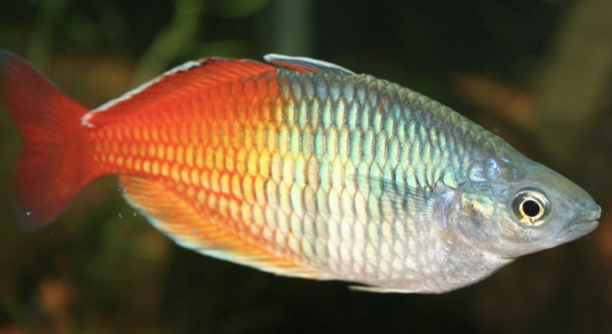
Rainbow fish are a beautiful addition to any aquarium, but sometimes, their health may be compromised by hidden parasites. These parasites can be difficult to detect, especially if you’re not familiar with the signs.
Parasites in rainbow fish can present themselves in various ways, such as unusual behavior, discoloration, or changes in eating habits. Identifying these subtle signs early can help ensure your fish remain healthy and free from these harmful invaders.
Understanding these signs will help you act quickly to protect your rainbow fish and prevent further complications. Keep reading to learn more about the hidden signs of parasites in your aquatic companions.
Unusual Swimming Patterns
One of the first signs that your rainbow fish may be affected by parasites is a change in their swimming patterns. Healthy fish swim smoothly and gracefully. If you notice them swimming erratically, darting rapidly, or staying near the surface more often than usual, parasites may be at play. This behavior is often a result of discomfort or irritation caused by parasites. As parasites invade, they can affect the fish’s nervous system or cause physical discomfort, leading to these abnormal swimming movements.
Fish that exhibit sudden changes in behavior should not be ignored. It’s important to monitor their actions carefully. If the unusual behavior persists for more than a few days, further investigation is necessary. Look for other signs that may confirm the presence of parasites.
In addition to swimming patterns, changes in appetite or lethargy could signal that something isn’t right. Parasites can affect your fish’s ability to eat and move, leaving them weakened and vulnerable. When caught early, these signs can help you protect your fish before the situation worsens.
Skin Discoloration
Parasites often cause skin discoloration, which can be an alarming sign for any aquarium keeper. Rainbow fish are known for their vibrant colors, but parasites can lead to fading or dark spots on the skin. Infected fish may develop white, gray, or brown patches, which are typically a result of parasite infestation.
These discolorations are often accompanied by lesions or visible marks on the skin. The parasites can burrow under the skin, causing damage that alters the fish’s natural pigmentation. This can also lead to secondary infections, making it even more important to address the issue promptly.
When you notice any discoloration or unusual marks on your rainbow fish, it’s crucial to act quickly. Treating the fish with the appropriate medication or adjusting their environment can prevent further damage. Keep in mind that early intervention is key to preventing long-term health problems. If left untreated, parasites can lead to severe complications.
Loss of Appetite
A sudden loss of appetite is another warning sign that your rainbow fish may be infected with parasites. Healthy fish are usually eager to eat, but parasites can cause them to lose interest in food. If your fish are not eating or are showing signs of lethargy, it’s time to investigate further.
Parasites can cause digestive issues or general discomfort that prevents fish from feeding. This lack of interest in food may also be accompanied by weight loss or a bloated appearance. It’s important to closely monitor your fish’s eating habits and behavior during this time. The quicker you act, the better the chances of preventing further harm.
Ignoring a decrease in appetite can lead to severe malnutrition, weakening the fish’s immune system and making it harder for them to fight off the infection. Acting early and providing proper care can ensure the health of your rainbow fish remains intact.
Rapid Gasping or Breathing Problems
If your rainbow fish is gasping at the water’s surface or appears to be struggling for air, parasites could be affecting its gills. This can often be a result of parasitic infection, which leads to inflammation and irritation in the gill area. When fish cannot breathe properly, it is a clear indication that something is wrong.
Parasites can latch onto the gills, obstructing the flow of oxygen and causing the fish to strain for air. This can also lead to other symptoms such as frayed or discolored gills, which are a direct sign of parasite-related damage. It’s essential to monitor any breathing changes closely.
Breathing difficulties can quickly escalate into more serious health problems if not addressed. To help your fish recover, consider adjusting water parameters and using medications specifically designed for treating parasites. By offering support, you can alleviate their distress and restore normal breathing.
Faded Coloration
Parasites can cause rainbow fish to lose their vibrant colors. Instead of the bright hues they are known for, infected fish may appear dull or faded. This change is a sign that the fish is under stress, and parasites could be impacting its overall health.
When parasites invade, they can interfere with the fish’s ability to absorb nutrients properly, which affects pigmentation. The body becomes weaker, leading to a noticeable change in color. Early intervention can prevent further deterioration, and the fish may recover its natural color with proper treatment and care.
A faded appearance can also be a result of other environmental factors, so it’s essential to rule out other possible issues. Monitoring the fish closely for any other symptoms is crucial in identifying parasites early on.
Unusual Skin Texture
If your rainbow fish’s skin feels rough or slimy, it may be a sign of parasitic infection. This texture change often indicates the presence of external parasites, such as ich or velvet. The skin may also appear to be coated in a film.
Parasites attach themselves to the skin, causing irritation and altering its texture. This often leads to visible signs of damage, including lesions, sores, or an overall unhealthy appearance. If untreated, these parasites can severely affect the fish’s health and even lead to death.
It’s important to monitor these changes and take action to treat the infection promptly.
FAQ
What are the most common parasites that affect rainbow fish?
The most common parasites affecting rainbow fish include ich (white spot disease), velvet, and flukes. Ich is easily recognized by the small white spots that appear on the fish’s body. Velvet gives a dusty, gold or rust-colored appearance to the skin. Flukes are parasitic flatworms that can cause damage to the gills and skin. These parasites can be transmitted through water, plants, or new fish entering the aquarium. Understanding which parasite is affecting your fish is crucial for effective treatment.
How can I prevent parasites in my rainbow fish tank?
Maintaining good water quality is one of the most important steps in preventing parasites. Ensure that your tank’s water parameters, such as pH, temperature, and ammonia levels, are within the optimal range. Regular water changes and cleaning the tank can also help keep parasites at bay. Quarantining new fish before introducing them to the main tank is another effective preventive measure. If you add plants or decorations, make sure they are clean and free of parasites before placing them in the tank.
How can I treat parasites in my rainbow fish?
Treating parasites in rainbow fish typically involves using medicated treatments available at pet stores or online. Medications specifically designed for ich, velvet, or flukes can be added to the tank to kill the parasites. It’s important to follow the instructions on the product carefully, as improper dosing can harm the fish. In some cases, you may need to raise the water temperature slightly, as this can speed up the lifecycle of certain parasites, making them more susceptible to the treatment. Regularly check on the fish during treatment to ensure they are recovering.
Are parasites contagious to other fish in the tank?
Yes, parasites can spread to other fish in the tank, especially in a confined space like an aquarium. When one fish is infected, parasites can quickly move to healthy fish, either through direct contact or through contaminated water. This is why it’s important to treat the entire tank if one fish shows signs of infection. If you’re only treating one fish, consider quarantining the infected fish to avoid spreading the parasites. A quarantine tank allows you to treat the fish without risking the health of the other aquarium residents.
Can rainbow fish recover from a parasitic infection?
Yes, rainbow fish can recover from parasitic infections if treated early and properly. The key is to identify the signs of infection early, such as abnormal swimming, loss of appetite, or discoloration, and start treatment as soon as possible. If the infection is severe or left untreated for too long, it could lead to long-term damage or even death. Consistently monitoring your fish’s health and providing a stress-free environment will also improve their chances of recovery. In some cases, if the fish is too weak, recovery may not be possible.
How long does it take to treat parasites in rainbow fish?
The length of treatment depends on the type of parasite and the severity of the infection. For example, ich typically requires 7 to 10 days of treatment, while velvet may need a bit longer. Fluke treatments can take several weeks, depending on the specific type and the damage to the fish. During treatment, it’s crucial to continue maintaining water quality and avoid stressing the fish further. Patience is key, and you should follow the treatment regimen as recommended to ensure the best chance for recovery.
Can parasites be prevented with regular tank maintenance?
Yes, regular tank maintenance plays a significant role in preventing parasites. By keeping your tank clean and performing regular water changes, you can remove potential sources of parasites. Additionally, maintaining proper filtration and ensuring that the water parameters are stable and within the ideal range will help reduce the risk of parasites thriving in your tank. Regularly inspect your fish for early signs of infection, such as changes in behavior or appearance, so that you can catch any issues before they escalate.
What are the signs that my rainbow fish has been infected with ich?
The most noticeable sign of ich infection is the appearance of small, white spots on the fish’s skin, fins, and gills, which resemble grains of salt. Infected fish may also exhibit increased scratching or rubbing against tank objects as they try to alleviate irritation. You may also notice changes in their behavior, such as lethargy, loss of appetite, or erratic swimming patterns. Ich is highly contagious, so it’s important to treat the infected fish immediately to prevent the parasite from spreading to other tank inhabitants.
How do I know if my rainbow fish has flukes?
Flukes are parasitic flatworms that typically affect the gills and skin of the fish. If your rainbow fish has flukes, you may notice them rubbing against objects or swimming erratically. Their gills may appear red or inflamed, and they may have difficulty breathing or show signs of gasping. Infected fish may also appear lethargic and lose interest in food. If you suspect flukes, it’s best to treat the fish with a medication designed to target external parasites like flukes to prevent further complications.
What should I do if I suspect my rainbow fish is infected?
If you suspect that your rainbow fish is infected with parasites, the first step is to observe the fish closely. Look for changes in swimming behavior, appetite, and physical appearance. Once you’ve identified the symptoms, quarantine the infected fish to prevent spreading the infection to others. Then, treat the tank with the appropriate medication and keep the water conditions stable. Regular monitoring during treatment is essential to track the fish’s progress and ensure a full recovery.
Final Thoughts
Parasites are a common issue for rainbow fish, but they can be managed effectively with the right approach. The key to preventing and treating parasitic infections lies in maintaining good water quality and promptly addressing any signs of illness. Keeping your tank clean and monitoring your fish regularly will help you spot problems early, allowing for quicker treatment. By ensuring a healthy environment and following the proper treatment protocols, most rainbow fish can recover from parasites and return to their vibrant, active state.
Although parasites can be a serious concern, they do not have to be a permanent issue. With the right steps, you can reduce the chances of an outbreak and help your rainbow fish stay healthy. Regularly cleaning the tank, providing a balanced diet, and avoiding overstocking are all important factors that contribute to your fish’s well-being. Quarantining new fish before introducing them into your tank is another precaution that can prevent parasites from entering your aquarium in the first place. When dealing with infections, early intervention is crucial, and using the appropriate medication will give your fish the best chance at recovery.
In conclusion, keeping your rainbow fish free from parasites requires attention to detail and commitment. Though parasites can cause stress to both the fish and the aquarium owner, taking proactive steps can minimize their impact. With the right care, your rainbow fish can thrive, bringing beauty and life to your aquarium. It’s always important to stay informed and act quickly when you notice any changes in your fish’s behavior or appearance. With proper care, your fish will remain healthy and vibrant.

Hello,
If you enjoy the content that we create, please consider saying a "Thank You!" by leaving a tip.
Every little bit helps us continue crafting quality advice that supports the health, happiness, and well-being of pets around the world, for pets of all shapes, sizes, and species.
We really appreciate the kindness and support that you show us!