
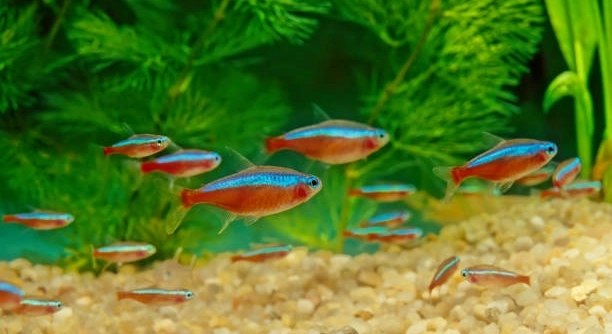
Tetras are popular small fish often kept in home aquariums for their bright colors and peaceful nature. Despite their hardy appearance, they can become sick for reasons that are not always obvious. Many owners may miss these hidden causes of illness in their tanks.
Tetras get sick mainly due to unnoticed environmental stressors, poor water quality, improper diet, infections, and sudden changes in their habitat. These factors weaken their immune system, making them vulnerable to diseases even when visible signs are minimal. Understanding these causes is essential to maintaining healthy fish.
Knowing these hidden reasons will help you care better for your tetras and avoid common pitfalls that lead to their health problems. This knowledge can improve your aquarium’s environment and keep your fish thriving longer.
Poor Water Quality
Poor water quality is one of the most common reasons tetras get sick. Many people don’t realize how sensitive these fish are to changes in their tank water. High levels of ammonia, nitrites, or nitrates can cause stress and illness. Dirty water can also encourage harmful bacteria and parasites to grow. It’s important to test the water regularly and perform partial water changes to keep the environment clean. Using a good filtration system helps remove toxins and keeps the water fresh. Avoid overfeeding, as leftover food decomposes and pollutes the water. Even small changes in pH or temperature can weaken a tetra’s immune system. Keeping a stable and clean environment helps tetras stay healthy and active.
Maintaining clean water is essential for tetra health. Consistent water tests and regular cleaning prevent many common diseases.
Water quality impacts fish health more than most people expect. When ammonia or nitrite levels rise, fish can develop gill damage and skin irritation. These chemicals come from fish waste and uneaten food. Without proper filtration and water changes, toxins build up quickly. Even if the tank looks clean, invisible chemicals can be harmful. It’s also important to keep the water temperature steady because fluctuations add stress. Some owners don’t realize how small shifts can weaken fish immunity. Testing kits are affordable and easy to use, making regular checks simple. Establishing a cleaning routine helps avoid sudden health issues. Good water quality supports the immune system and reduces infections, helping tetras live longer, healthier lives.
Stress from Overcrowding
Too many fish in one tank can cause stress for tetras. Overcrowding leads to poor water quality and aggressive behavior. This stress makes fish more likely to get sick.
Overcrowding reduces swimming space and increases waste, harming fish health.
Crowded tanks create competition for food and oxygen, which can exhaust tetras. Constant fighting or chasing causes injuries and lowers their resistance to disease. Stress also affects their appetite, so they may stop eating or lose weight. Tanks should be sized appropriately for the number of fish kept. A general rule is one gallon of water per inch of fish. Adding too many fish at once shocks the ecosystem, making it harder to maintain clean water and balance. A well-planned tank with enough space prevents stress and keeps your tetras happy. Adjusting the number of fish or upgrading to a larger tank can greatly improve health outcomes for all your aquatic pets.
Sudden Changes in Water Conditions
Sudden changes in water temperature or chemistry can shock tetras and make them sick. They thrive best in stable, consistent environments.
Even small fluctuations in temperature, pH, or hardness can stress tetras. This stress weakens their immune system, making them vulnerable to infections. Frequent water changes without proper conditioning or adding untreated tap water can cause these shifts. When setting up a tank or performing maintenance, it’s important to match new water to the tank’s existing conditions carefully. Gradual changes help fish adjust without harm. Sudden changes often lead to gasping, lethargy, or abnormal swimming behavior.
Proper acclimation is key when introducing new fish or changing water. Slowly adjusting the fish to new water conditions reduces stress and prevents illness. Using water conditioners to neutralize chlorine and chloramines protects delicate gills. Maintaining steady temperature with a reliable heater and monitoring pH regularly helps avoid dangerous swings. Small steps create a safer environment, letting tetras stay healthy and comfortable.
Infections from Parasites and Bacteria
Parasites and bacteria commonly cause illness in tetras. These infections often appear when fish are stressed or their environment is unclean.
Parasites like ich or flukes attach to the skin or gills, causing irritation and breathing problems. Bacterial infections can lead to fin rot, ulcers, or internal problems. These issues often begin after water quality drops or fish experience injury or stress. Signs include faded colors, clamped fins, or white spots. Early detection is important to prevent spread and serious damage. Quarantining new fish before adding them to the tank helps stop infections from entering.
Treatment usually involves medicated water or baths and improving tank conditions. Antibiotics or antiparasitic treatments target the infection directly. Keeping the tank clean and stable lowers the risk of disease outbreaks. Good nutrition and stress reduction also strengthen fish defenses. Regular observation helps catch infections early, making recovery easier and faster.
Poor Diet
Tetras need a balanced diet to stay healthy. Feeding them only flakes or one type of food can cause nutritional gaps.
Variety in their diet supports their immune system and overall well-being. Including live or frozen foods helps meet their dietary needs.
Stress from Incompatible Tank Mates
Keeping aggressive or larger fish with tetras can cause stress and injury. Stress weakens their immune system, making them prone to illness.
Choosing peaceful fish that share similar water requirements reduces tension. Proper tank mate selection helps maintain a calm and healthy environment for tetras.
Lack of Proper Tank Maintenance
Neglecting regular cleaning and filter checks leads to toxin buildup, which harms tetras. Consistent maintenance is essential to prevent health problems.
Inadequate Tank Size
Tetras need enough space to swim freely. Small tanks limit their movement and increase stress levels.
FAQ
Why do my tetras keep dying even though I clean the tank regularly?
Regular cleaning is important, but it’s not the only factor. Water quality can still be poor if the filtration system isn’t working well or if water changes aren’t frequent enough. Ammonia, nitrite, and nitrate levels need monitoring. Also, sudden changes in water conditions or overcrowding may stress the fish. Feeding an unbalanced diet or introducing new fish without quarantine can introduce diseases. Checking all these areas together helps find the cause.
How often should I change my tetra tank water?
For most home aquariums, changing about 20-30% of the water once a week is ideal. This helps remove toxins without causing sudden shifts in water chemistry. If the tank is heavily stocked or larger, more frequent partial changes may be needed. Always use a water conditioner to treat tap water before adding it to the tank. Consistency is key to keep water conditions stable and safe.
What foods are best for tetra fish?
A varied diet is best. High-quality flake food made for tropical fish covers basic nutrition. Adding live or frozen foods like brine shrimp, daphnia, or bloodworms offers protein and variety. Avoid feeding only flakes or one food type, as this can lead to nutritional deficiencies. Small amounts given 2-3 times a day prevent overfeeding and water pollution.
Can tetras live with other fish?
Yes, but choosing peaceful species that thrive in similar water conditions is important. Avoid aggressive or large fish that may bully or stress tetras. Good tank mates include small rasboras, guppies, or other peaceful community fish. Keeping compatible species reduces stress and the chance of injury or disease.
How do I know if my tetras are sick?
Signs of sickness include faded colors, clamped fins, abnormal swimming, gasping at the surface, or white spots on the body. Loss of appetite or hiding more than usual can also indicate illness. Early detection allows quicker treatment and better chances of recovery.
What should I do if my tetras show signs of disease?
First, test the water to ensure quality. Quarantine sick fish if possible to prevent spreading. Use appropriate medications based on symptoms, such as antiparasitic or antibacterial treatments. Improving water conditions and reducing stress are also important. Always follow treatment instructions carefully.
Is a heater necessary for tetra tanks?
Tetras prefer stable tropical temperatures around 74-80°F (23-27°C). In cooler rooms or homes, a heater keeps water at the right temperature. Fluctuations can stress fish, so a reliable heater and thermometer help maintain stability.
How big should my tetra tank be?
A minimum of 10 gallons is recommended for a small school of tetras (6 or more). Tetras swim actively and feel safer in groups, so enough space to move freely is essential. Larger tanks provide better water stability and reduce stress.
Why do tetras sometimes jump out of the tank?
Jumping usually happens when fish feel stressed, frightened, or water quality is poor. A secure lid helps prevent escapes. Reducing stress factors like overcrowding, aggressive tank mates, or sudden water changes lowers the risk.
Can tetras get along with plants in the tank?
Yes, tetras generally do well with live plants. Plants provide hiding spots and improve water quality by absorbing toxins. Avoid sharp or rough plants that could injure delicate fins. A planted tank mimics their natural environment and helps reduce stress.
How important is quarantine for new fish?
Quarantining new fish for at least two weeks before adding them to the main tank prevents spreading diseases. New arrivals may carry parasites or infections that are not yet visible. This step protects the health of your established tetras and keeps the tank safe.
Keeping tetras healthy requires paying attention to many details in their environment. Even though they seem like hardy fish, small problems can quickly affect their well-being. Factors like water quality, diet, tank size, and stress play a big role in their health. By understanding these hidden reasons why tetras get sick, it becomes easier to avoid common mistakes. A clean, stable tank with balanced nutrition and good company will help your fish live longer and look their best.
It’s easy to overlook subtle changes in water conditions or the impact of overcrowding. Many health problems start from stress caused by these issues. Fish don’t always show clear signs of sickness until the problem is advanced. That’s why routine care and observation are so important. Testing water regularly and watching your tetras for changes in behavior or appearance can catch issues early. Taking quick action when something seems off will make a big difference in recovery chances.
Remember that caring for tetras is about creating a steady, comfortable environment. Sudden changes or neglect can weaken their immune system and open the door to infections. Providing a varied diet and choosing peaceful tank mates also supports their well-being. These steps may seem small but have a big effect on your fish’s health. With patience and attention, tetras can thrive and bring beauty to your aquarium for a long time.

Hello,
If you enjoy the content that we create, please consider saying a "Thank You!" by leaving a tip.
Every little bit helps us continue crafting quality advice that supports the health, happiness, and well-being of pets around the world, for pets of all shapes, sizes, and species.
We really appreciate the kindness and support that you show us!