
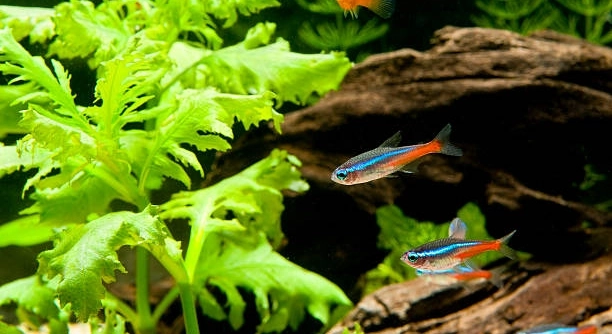
Setting up a beginner tetra tank can be exciting but also challenging. Many new aquarium owners don’t realize the hidden hazards that can affect their fish’s health. Knowing these pitfalls early can make the experience more rewarding.
Several hidden hazards can arise in beginner tetra tanks, including poor water quality, inappropriate tank size, lack of proper filtration, overcrowding, sudden temperature changes, inadequate diet, and stress from incompatible tank mates. Each factor plays a crucial role in the well-being of tetra fish and the overall tank environment.
Recognizing these common risks will help you create a safer and healthier home for your tetras. Understanding what to avoid early on can prevent many common problems later.
Poor Water Quality and Its Impact
Poor water quality is one of the biggest hidden hazards in beginner tetra tanks. New tank owners often overlook regular water testing and changes. Without proper care, toxins like ammonia and nitrites can build up quickly, harming the fish. Tetras are sensitive to these chemicals, and exposure can cause stress, illness, or even death. It’s important to cycle the tank before adding fish, so beneficial bacteria can break down waste. Regular partial water changes help keep conditions stable and healthy. Using a reliable water test kit can guide you in maintaining safe levels. Avoid using untreated tap water, as chlorine and other chemicals may be present. Overfeeding also worsens water quality because leftover food decomposes and increases harmful compounds. Maintaining clean water requires attention but ensures your tetras stay active and vibrant.
Regular water checks and changes create a stable environment that supports fish health and longevity.
Keeping the tank clean can feel overwhelming at first, but developing a simple routine helps a lot. Using a gravel vacuum during water changes removes debris and uneaten food. Watching your fish for signs of stress or illness can alert you to water problems early. Staying consistent with water maintenance prevents many common issues and keeps your tank looking beautiful.
Tank Size and Overcrowding Problems
A small tank might seem easier to manage, but it can cause serious issues.
Tetras need enough space to swim freely and avoid stress. Overcrowding leads to poor water quality, increased waste, and aggression among fish. A minimum of 10 gallons is recommended for a small group, but bigger is always better. Adding too many fish at once also strains the filtration system, making it harder to keep the water clean. Providing hiding spots and plants helps reduce stress but doesn’t fix overcrowding. It’s important to research the adult size and social needs of tetras before buying. Proper tank size ensures a balanced ecosystem where fish thrive. Giving them room to grow and interact naturally results in healthier, happier tetras that show their best colors and behavior.
Inadequate Filtration
Filtration is key to keeping your tetra tank clean and healthy. Without it, waste builds up quickly, harming the fish.
A filter removes debris, excess food, and harmful chemicals from the water. It also promotes beneficial bacteria growth, which breaks down fish waste. Many beginners underestimate the power of a good filter or choose one too small for their tank size. This leads to poor water quality and stressed fish. A filter rated for your tank size ensures proper water circulation and cleanliness. Regular cleaning of the filter media is also necessary but avoid washing it with tap water to preserve helpful bacteria.
Filters come in different types: sponge, hang-on-back, and canister. Each has pros and cons, but all help maintain stable water conditions. Keeping your filtration system working well will improve your tetras’ health and reduce maintenance time.
Sudden Temperature Changes
Temperature swings are dangerous for tetras. They prefer stable, warm water between 72°F and 80°F.
Sudden changes can shock their system, weakening immune defenses and causing illness. Beginner owners sometimes place tanks near windows or vents, exposing fish to drafts or direct sunlight that cause rapid temperature shifts. Using a reliable heater with a thermostat helps maintain consistent warmth. Avoid placing the tank in areas where temperature varies frequently, like near doors or air conditioners. Monitoring the temperature daily with a thermometer is a good habit to spot problems early. Consistency in water temperature creates a calm, stress-free environment where tetras can thrive and behave naturally.
Overfeeding and Uneaten Food
Overfeeding is a common mistake in beginner tetra tanks. Leftover food pollutes the water quickly.
Feeding small amounts once or twice a day is enough. Tetras eat only what they can finish in a few minutes. Removing uneaten food prevents decay and keeps the water clean.
Incompatible Tank Mates
Not all fish get along with tetras. Aggressive or larger fish can stress or injure them.
Choosing peaceful, similarly sized species helps maintain harmony. Research tank mate compatibility before adding new fish to avoid conflicts and stress.
Poor Diet Choices
Tetras need a varied diet to stay healthy and colorful. Feeding only flakes or pellets limits their nutrition.
Including frozen or live foods like brine shrimp and daphnia boosts their immune system and promotes natural behavior. Variety helps prevent common health problems and keeps tetras vibrant.
How often should I change the water in my tetra tank?
Regular water changes are essential for a healthy tetra tank. Changing about 20-25% of the water once a week is a good practice. This helps remove toxins that build up from waste and uneaten food. More frequent changes may be needed if the tank is crowded or if water tests show high levels of ammonia or nitrates. Always use dechlorinated water at the same temperature as the tank to avoid shocking your fish.
What size tank is best for a beginner tetra setup?
A minimum of 10 gallons is recommended for a small group of tetras. This size offers enough space for swimming and helps maintain stable water conditions. Larger tanks are easier to manage because they dilute toxins better and provide more room for fish to thrive. Avoid overcrowding by following guidelines on how many fish per gallon are suitable, usually about 1 inch of fish per gallon.
Can I keep tetras with other types of fish?
Tetras are peaceful fish and do best with other small, calm species. Avoid aggressive or large fish that might bully or eat them. Good tank mates include small rasboras, guppies, and corydoras catfish. Always research compatibility before introducing new fish to your tank to prevent stress and aggression.
What should I feed my tetras?
Tetras do well on a varied diet. High-quality flakes or pellets designed for tropical fish form the base. Supplement with frozen or live foods like brine shrimp, daphnia, or bloodworms to provide extra nutrients and encourage natural hunting behavior. Feed small amounts once or twice daily, enough that they can finish in a few minutes to avoid overfeeding.
How can I tell if my tetras are stressed?
Signs of stress include hiding, loss of color, rapid breathing, or erratic swimming. Stress often results from poor water quality, overcrowding, sudden temperature changes, or incompatible tank mates. Monitoring behavior regularly and maintaining proper tank conditions helps reduce stress and keeps your fish healthy.
Why is my tetra tank cloudy?
Cloudy water can result from bacterial blooms, overfeeding, or inadequate filtration. New tanks often experience a temporary cloudiness during the cycling process. Avoid adding too many fish too soon and perform regular water changes. Ensure your filter is suitable for the tank size and cleaned regularly but not with tap water, which can kill beneficial bacteria.
How important is tank cycling before adding tetras?
Tank cycling is critical for establishing beneficial bacteria that convert harmful ammonia and nitrites into less toxic nitrates. Without cycling, these toxins can build up quickly and harm your fish. The process typically takes 4-6 weeks but can be sped up using commercial bacteria starters. Patience during this period prevents many common fish health problems.
What temperature should I keep my tetra tank at?
Tetras thrive in water between 72°F and 80°F (22°C to 27°C). Use a reliable aquarium heater and thermometer to maintain a stable temperature. Avoid placing the tank where it is exposed to drafts, direct sunlight, or fluctuating room temperatures, which can stress the fish.
How many tetras should I keep together?
Tetras are schooling fish and feel safest in groups of at least six. Keeping them in small schools reduces stress and encourages natural behavior. Smaller numbers can cause loneliness and increase aggression or hiding. Make sure your tank size can comfortably support the number of fish you want to keep.
What is the best way to clean my tetra tank?
Regular cleaning includes partial water changes, gravel vacuuming, and filter maintenance. Use a siphon to remove debris from the substrate and change about 20-25% of the water weekly. Clean filter media by rinsing it in tank water during water changes to preserve beneficial bacteria. Avoid harsh chemicals or soap when cleaning any part of the tank.
How do I prevent diseases in my tetra tank?
Maintaining stable water quality, a balanced diet, and proper tank mates lowers the risk of disease. Quarantine new fish before adding them to the main tank to avoid introducing infections. Watch for signs like white spots, faded colors, or lethargy, and treat problems early with appropriate medication.
Can tetras live without a heater?
Tetras prefer stable, warm water. In tropical environments where room temperature stays consistent around 72°F or higher, they might survive without a heater. However, fluctuations below their comfort range can stress them. Using a heater ensures stable temperatures and reduces health risks.
Setting up a tetra tank for the first time can feel rewarding but also challenging. There are several hidden hazards that many beginners don’t expect, such as poor water quality, overcrowding, and temperature fluctuations. Being aware of these issues helps prevent common problems and creates a healthier environment for your fish. Small steps like maintaining clean water, choosing the right tank size, and feeding properly can make a big difference. These efforts lead to happier, more vibrant tetras that thrive in their home.
Consistency is key in caring for your tetra tank. Regular water changes, monitoring temperature, and keeping the filtration system working well should become part of your routine. Even though it might seem like a lot at first, developing simple habits will ease the work over time. Paying attention to your fish’s behavior is also important, as it gives clues about their health and comfort. Stress signs, changes in color, or unusual swimming patterns can tell you when something needs attention. By acting early, you can avoid bigger problems later.
Remember that patience is important when caring for fish. Tetras need time to adjust to their tank and settle into a stable environment. Avoid rushing the process by adding too many fish too quickly or skipping the cycling phase. Taking your time to build a balanced tank and learning from any mistakes will help you become a more confident aquarium keeper. Your tetras will thank you with their beauty and lively behavior, making the care worthwhile.

Hello,
If you enjoy the content that we create, please consider saying a "Thank You!" by leaving a tip.
Every little bit helps us continue crafting quality advice that supports the health, happiness, and well-being of pets around the world, for pets of all shapes, sizes, and species.
We really appreciate the kindness and support that you show us!