
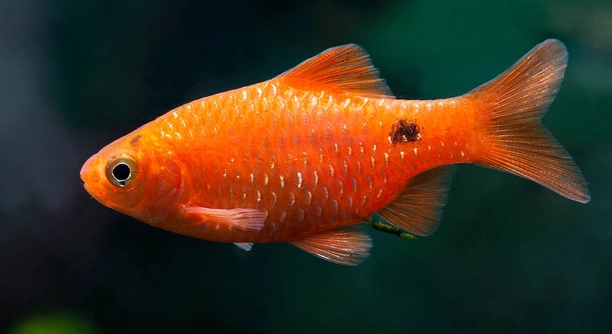
Rosy barbs are popular aquarium fish known for their vibrant colors and active nature. Many hobbyists enjoy watching their bright red and orange hues. However, several hidden factors can influence how vivid their colors appear over time.
Several less obvious factors affect the color intensity of Rosy Barbs, including water quality, diet, stress levels, lighting conditions, genetics, tank environment, and overall health. These elements collectively determine how bright and healthy their coloration remains.
Understanding these influences will help you maintain your Rosy Barbs’ best colors and ensure they stay healthy and lively in your aquarium.
Water Quality and Its Impact on Color
Water quality plays a major role in the color of Rosy Barbs. Poor water conditions cause stress, which can dull their bright colors. High levels of ammonia, nitrites, or nitrates weaken their immune system, making it harder for the fish to maintain vibrant hues. Clean water supports good health and stronger pigmentation. Regular water changes and proper filtration keep the environment stable and safe for your fish. Soft or very hard water can also affect how their colors develop. Maintaining a balanced pH between 6.5 and 7.5 is ideal for Rosy Barbs. Temperature matters too—keeping the tank between 72°F and 78°F helps keep the fish comfortable and colorful. Testing water frequently is a simple way to prevent problems before they affect your fish’s appearance.
Keeping water clean and balanced is essential for vivid colors and overall fish well-being.
Providing fresh, balanced water conditions creates a healthier environment that helps Rosy Barbs maintain their bright and beautiful colors over time.
Diet and Nutrition
A varied diet rich in carotenoids enhances the red and orange tones in Rosy Barbs. Foods like brine shrimp, bloodworms, and specially formulated color-enhancing flakes provide essential nutrients. Feeding high-quality food regularly supports their color development and overall health. Avoid overfeeding, which can lead to poor water quality and faded colors. Supplementing their diet with fresh vegetables like spinach or peas adds vitamins and minerals that help keep their skin healthy. Nutritional deficiencies can quickly show up as dull or faded colors, so paying attention to their food is key. Rotating different types of food helps provide a well-rounded diet that supports the fish’s natural coloration and vitality.
Lighting Conditions
Proper lighting is important for showing off the vibrant colors of Rosy Barbs. Too little light can make their colors fade, while too much light may cause stress or algae growth.
A well-lit aquarium mimics their natural environment and brings out their best hues. Using full-spectrum LED lights helps enhance red and orange tones without overheating the tank. Aim for about 8 to 10 hours of light daily, giving your fish a consistent day-night cycle. Adjusting light intensity and duration gradually prevents sudden stress, which can dull their coloration. Avoid placing the tank in direct sunlight, as this can lead to temperature spikes and algae problems. Balanced lighting supports healthy fish behavior and color brightness.
Too strong or weak lighting disrupts their natural coloring, so finding the right balance is key for a colorful display.
Stress and Environment
Stress directly impacts Rosy Barbs’ color intensity. Factors like overcrowding, aggressive tank mates, or sudden changes in water conditions cause stress, which fades their colors quickly.
Creating a calm and stable environment helps your fish stay colorful and healthy. Provide enough space, with at least 10 gallons for a small group, and avoid aggressive species in the tank. Adding plants and hiding spots reduces stress by offering shelter and comfort. Keeping water parameters stable also lowers stress levels. Monitoring behavior for signs of aggression or illness allows for quick adjustments before colors suffer. When stress is minimized, fish maintain their bright, lively colors and thrive in the aquarium.
Genetics
Rosy Barbs’ color depends largely on their genetic makeup. Some naturally have brighter colors, while others show more muted tones.
Selective breeding can improve color vibrancy over generations. Choosing fish with strong coloration as breeders helps pass these traits to offspring.
Tank Environment
The tank setup affects fish color. Clean substrates and healthy plants reflect light better, making colors appear brighter.
Avoid clutter and maintain good water flow to reduce stress. A well-maintained environment supports the natural beauty of Rosy Barbs.
Overall Health
Healthy fish display stronger, more vibrant colors. Illness or parasites often cause dullness or discoloration.
Keeping fish disease-free through quarantine, clean water, and proper nutrition is crucial for maintaining their bright colors. Regular observation helps catch health problems early before color fades.
Lighting Duration
Consistent lighting duration supports Rosy Barbs’ natural rhythms. Too much or too little light can affect color quality and fish behavior.
FAQ
What causes Rosy Barbs to lose their color?
Rosy Barbs lose color mainly due to stress, poor water quality, or an inadequate diet. Changes in water temperature, overcrowding, and aggressive tank mates also affect their appearance. Illness or parasites can make their colors fade quickly. Maintaining clean water, a balanced diet, and a calm environment helps keep their colors bright.
How often should I change the water to keep colors vibrant?
Regular water changes are essential. A weekly change of 20-30% of the tank water keeps harmful chemicals low and supports stable water parameters. Clean water reduces stress and supports healthy coloration. Avoid large, sudden water changes, as they can shock the fish and dull their colors.
Can diet alone improve my Rosy Barbs’ colors?
Diet plays a big role, but it is not the only factor. Feeding a variety of high-quality foods rich in carotenoids enhances red and orange hues. Still, water quality, lighting, and stress levels must be managed to see noticeable color improvements.
Does tank size affect Rosy Barb coloration?
Yes, tank size matters. Smaller, overcrowded tanks cause stress, leading to faded colors. Rosy Barbs need at least 10 gallons for a small group to swim freely. A spacious tank lowers aggression and stress, which helps maintain their bright colors.
What type of lighting is best for enhancing colors?
Full-spectrum LED lighting with moderate intensity is ideal. It enhances natural colors without overheating the tank. About 8-10 hours of light daily simulates their natural environment and helps the pigments stay vibrant.
Can stress make Rosy Barbs lose color permanently?
Stress can cause temporary fading of colors, but prolonged or severe stress may weaken their immune system and cause longer-lasting dullness. Reducing stress through stable water, good tank mates, and hiding places allows fish to regain their vibrant hues.
How do genetics influence Rosy Barb coloration?
Genetics determine the natural range of colors a Rosy Barb can display. Some fish are naturally brighter due to selective breeding. Choosing fish with vivid colors as breeders helps pass these traits on, but environment and care still play a major role.
Will changing water temperature affect their colors?
Yes, temperature affects metabolism and color expression. Keeping the tank between 72°F and 78°F provides a comfortable environment. Sudden or extreme temperature changes stress the fish, causing colors to fade.
How important is tank decoration for color enhancement?
Tank decorations like plants and clean substrates reflect light and reduce stress by providing hiding spots. This creates a comfortable environment, encouraging natural behavior and brighter colors.
How can I tell if my Rosy Barbs are unhealthy?
Signs include dull or patchy colors, clamped fins, loss of appetite, and unusual behavior like hiding or lethargy. Early detection and treatment help restore health and color.
Can adding supplements improve Rosy Barb colors?
Certain supplements with carotenoids and vitamins can boost color if added carefully. However, they should not replace a balanced diet or proper tank care. Overuse may harm water quality.
Is it normal for Rosy Barbs’ colors to change with age?
Yes, color intensity may fluctuate with age. Young fish often have less intense colors that develop as they mature. Some fading in older fish is natural but can be minimized with good care.
How do I reduce aggression to protect color vibrancy?
Choose peaceful tank mates and avoid overcrowding. Provide plenty of space and hiding places. Aggressive behavior causes stress and color loss, so maintaining harmony is key.
What role does pH play in color retention?
Maintaining a stable pH between 6.5 and 7.5 supports fish health and color. Sudden pH shifts can stress Rosy Barbs, dulling their colors.
Can lighting schedules affect fish stress and color?
Yes, consistent lighting schedules mimic natural conditions and reduce stress. Abrupt changes in light or excessive duration can negatively impact their coloration and behavior.
Final Thoughts
Keeping Rosy Barbs vibrant and colorful takes attention to several important factors. Water quality is the foundation of their health and appearance. Clean, stable water with balanced pH and temperature helps reduce stress and supports bright coloration. Regular water changes and good filtration keep harmful substances low, allowing your fish to thrive. Ignoring water quality often leads to faded colors and health problems, so it’s essential to maintain a healthy environment.
Diet is another key factor for maintaining the rich reds and oranges Rosy Barbs are known for. Feeding a variety of foods, especially those rich in natural color enhancers like carotenoids, supports pigment development. Supplementing their diet with fresh vegetables and protein-rich treats boosts their overall health and vibrancy. However, diet alone won’t keep colors bright if other conditions are not met. A balanced approach involving nutrition, water care, and proper lighting is necessary for the best results.
Stress is often an overlooked factor that greatly affects coloration. Rosy Barbs need enough space, peaceful tank mates, and places to hide to feel safe and relaxed. Overcrowding, aggressive fish, and sudden changes in the tank can cause stress, leading to dull colors and weaker health. Lighting also plays a role, as too much or too little light can impact their natural color expression. Paying attention to all these elements and providing consistent care will help your Rosy Barbs display their full, beautiful colors for a long time.

Hello,
If you enjoy the content that we create, please consider saying a "Thank You!" by leaving a tip.
Every little bit helps us continue crafting quality advice that supports the health, happiness, and well-being of pets around the world, for pets of all shapes, sizes, and species.
We really appreciate the kindness and support that you show us!