
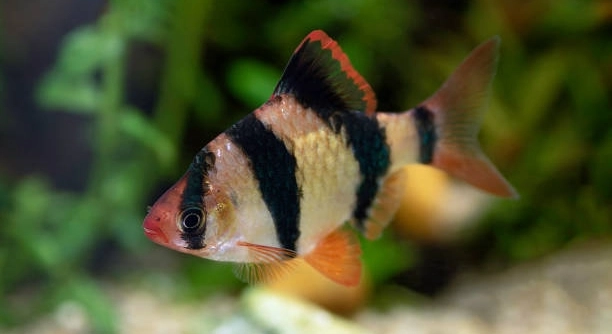
Do you ever find yourself worrying about the health of your tiger barbs, even though their tank looks perfectly fine?
Tiger barb aquariums can present several hidden dangers that often go unnoticed by new and experienced fishkeepers alike. Issues such as aggression, poor water quality, and inadequate space can lead to long-term stress and health complications.
These lesser-known risks can quietly impact your fish’s well-being, making it important to understand and address them early on.
Aggression Among Tank Mates
Tiger barbs are known for their active behavior, but that energy can turn into aggression if not managed properly. When kept in small groups or paired with slower species, tiger barbs may nip fins or harass tank mates. This stress affects the overall balance of the tank and can lead to injuries, illness, or even death in more vulnerable fish. To reduce aggression, it’s best to keep tiger barbs in groups of at least six. A larger group helps spread out aggression and keeps them more focused on each other than other fish. Avoid pairing them with fish that have long fins, like angelfish or bettas. Instead, choose similarly sized, quick-swimming species that can handle their energy. Ensuring the tank has enough space and hiding spots can also help manage tension between fish. Monitoring behavior daily will help you spot any issues before they become serious.
Aggressive behavior isn’t always obvious right away. Some signs, like damaged fins or unusual swimming patterns, might be the only clues.
Staying aware of group dynamics and tank setup can make a big difference. A well-balanced tank keeps stress levels low and helps all your fish live peacefully. Creating the right environment is key to preventing unwanted conflict in tiger barb tanks.
Poor Water Quality
Water conditions impact the health of tiger barbs more than most people realize. Even slight changes can lead to long-term issues.
Maintaining clean, stable water is essential for tiger barbs to thrive. These fish are sensitive to sudden changes in temperature, ammonia, nitrite, and nitrate levels. If the tank isn’t properly cycled or maintained, harmful waste can build up quickly. High nitrate levels are especially dangerous over time, leading to illness or weakened immune systems. Weekly water testing should become a habit, and partial water changes must be done regularly—usually about 25% every week. Filtration plays a major role too, but it must be cleaned to function properly. Use a good-quality filter that suits your tank size and don’t overstock the tank, as more fish means more waste. Feeding also affects water quality; overfeeding leads to uneaten food, which adds to waste and pollutes the water. Consistency and attention to detail help protect your tiger barbs from invisible water-related threats.
Inadequate Tank Size
Tiger barbs need space to swim and establish their group behavior. A small tank limits their movement and increases tension, which can trigger stress and aggression in the group.
A minimum of 20 gallons is recommended for a small group of tiger barbs, but larger is always better. Crowding these active fish into a tight space causes territorial issues and faster buildup of waste. Over time, this creates unhealthy conditions and affects their natural behavior. A long tank layout works better than a tall one because it offers more horizontal swimming space. Avoid housing too many fish in a small tank. Even if the filter handles the load, cramped conditions lead to anxiety and conflict. Always match your tank size to the number of fish you plan to keep. A spacious environment supports stable social behavior, reduces stress, and keeps their immune systems strong.
Tiger barbs thrive when they have room to explore. Without enough space, their behavior changes—they may become more aggressive, withdrawn, or restless. These subtle shifts are easy to miss but can cause long-term harm. Fish kept in undersized tanks often develop illnesses more quickly. Proper tank size is a basic but important part of keeping them healthy and active over time.
Incorrect Feeding Practices
Tiger barbs need a balanced diet. Feeding them only flakes or overfeeding can cause bloating, low energy, and dirty water.
A varied diet helps support energy levels and boosts color and immune function. Along with high-quality flakes or pellets, you should include occasional live or frozen foods like bloodworms or brine shrimp. Overfeeding is one of the most common mistakes. Uneaten food sinks and breaks down, which affects water quality and increases nitrate levels. Feed small amounts once or twice daily, making sure everything is eaten within two minutes. It’s also helpful to observe their feeding behavior—sluggish eating or ignoring food may point to illness or poor water conditions. A good diet keeps them active and less likely to nip or act out. Paying attention to what and how much you feed makes a big difference in long-term tank health.
Lack of Enrichment
Tiger barbs are active and curious, so they need more than just open water. Without plants, structures, or hiding spots, they can become bored or stressed, leading to aggression or unusual behavior.
Adding live plants, rocks, or driftwood gives them places to explore and rest. It also helps reduce conflict.
Inconsistent Lighting Schedule
A stable lighting routine helps tiger barbs maintain their natural rhythms. Sudden light changes or irregular schedules can lead to stress and disturb their rest cycle. Use a timer to provide 8–10 hours of light daily. Avoid placing the tank where it gets too much direct sunlight or darkness.
Sudden Temperature Fluctuations
Quick changes in water temperature can weaken tiger barbs’ immune systems. Stable conditions are important to keep them healthy and calm.
FAQ
How many tiger barbs should be kept together?
Tiger barbs are social fish and should always be kept in groups. The ideal group size is at least six. Keeping them in smaller numbers can lead to aggression, stress, and poor behavior. In larger groups, they spread out their energy and are more likely to stay peaceful. If you have a larger tank, groups of 10 or more tend to work even better. The key is balance—too few makes them territorial, but too many in a small tank causes crowding and poor water conditions. Always match group size with the available tank space.
Can tiger barbs live with other fish?
Yes, but tank mates need to be chosen carefully. Tiger barbs do best with other active, fast-swimming fish that can handle their playful behavior. Avoid pairing them with long-finned species like angelfish or bettas, as tiger barbs tend to nip at flowing fins. Good tank mates include danios, rasboras, loaches, and some types of tetras. Keep in mind that peaceful or slow-moving fish can be stressed out by the constant movement and energy of tiger barbs. A calm, balanced community is possible with the right fish and enough space.
What is the ideal tank size for tiger barbs?
A 20-gallon tank is the absolute minimum for a small group of six tiger barbs. However, a larger tank—30 gallons or more—is much better, especially if you plan to include other species. Tiger barbs are very active swimmers, and they need horizontal space to move around. A longer tank works better than a tall one. Cramped spaces lead to aggression, stress, and poor water quality. Choosing a bigger tank from the start gives your fish the room they need and allows for easier maintenance in the long run.
How often should I feed my tiger barbs?
Tiger barbs should be fed once or twice a day with small portions they can finish within two minutes. Overfeeding is a common mistake and can harm both the fish and the water quality. Use high-quality flakes or pellets as a staple, and offer variety with frozen or live foods like bloodworms, daphnia, or brine shrimp once or twice a week. Watching how they eat helps you adjust the portions. If food sinks uneaten, you’re likely giving too much. Consistent, balanced feeding keeps them active and healthy.
Do tiger barbs need a heater in their tank?
Yes, tiger barbs are tropical fish and need a stable water temperature between 74°F and 80°F (23°C to 27°C). Sudden temperature changes can weaken their immune systems and cause stress-related problems. Using a reliable heater with a thermostat is essential. It’s also important to place the heater properly and check the temperature daily. If your room temperature fluctuates a lot, a heater is non-negotiable. During warmer months, always monitor to ensure the tank doesn’t overheat, especially if the tank is near a window or heat source.
Why are my tiger barbs fighting each other?
Fighting or chasing is common in small groups, especially if there are fewer than six fish. This behavior helps establish dominance but can become harmful if it’s constant. A larger group usually solves the issue by spreading out the aggression. Lack of space or hiding spots can also increase tension. If the tank is too small or bare, your tiger barbs might not have enough room to move freely or escape from more dominant fish. Make sure they have plants, caves, or driftwood for shelter and space to swim.
Can tiger barbs get bored in a plain tank?
Yes. A tank with no plants, decorations, or hiding places can lead to boredom and stress. Tiger barbs are naturally curious and enjoy exploring. Adding live or silk plants, driftwood, or rocks keeps them stimulated. Rearranging decorations occasionally can also help renew interest. Bored fish may nip at others more often, show odd swimming behavior, or become lethargic. Enrichment plays a key role in preventing stress and keeping your fish healthy. A visually interesting tank is better for the fish and more enjoyable to watch.
Final Thoughts
Keeping tiger barbs healthy and happy takes more than just clean water and daily feeding. These active fish need the right tank setup, a balanced group size, and proper care to thrive. When small details are overlooked, it can lead to bigger problems like aggression, stress, or illness. Many issues can go unnoticed at first, especially if the tank appears clean and the fish seem active. But things like water quality, tank size, and diet all play a big part in their long-term well-being. Paying attention to their behavior and checking on tank conditions regularly helps you catch problems early and keep the environment safe.
A good setup starts with the basics—space, filtration, and routine. Make sure your tank is large enough for your group and that it has enough hiding places to reduce stress. Keep your water parameters stable by testing weekly and performing partial water changes. Feed them small portions, offer variety, and avoid overfeeding. Don’t forget about enrichment. Add plants and decorations to keep the fish active and mentally engaged. These small efforts make a big difference in how your tiger barbs behave and how long they stay healthy. A peaceful, clean, and enriched tank environment brings out the best in them.
Caring for tiger barbs can feel simple once you have the right habits in place. Most of the dangers discussed are easy to prevent with a little consistency. A few minutes each day to check on your tank and fish is often enough. If you notice changes in their behavior, swimming patterns, or appetite, it’s worth taking a closer look. These small signs are how they show that something isn’t right. Staying observant and making adjustments when needed can prevent more serious issues down the line. With the right care, tiger barbs can live active, colorful lives and become a lively part of your aquarium.

Hello,
If you enjoy the content that we create, please consider saying a "Thank You!" by leaving a tip.
Every little bit helps us continue crafting quality advice that supports the health, happiness, and well-being of pets around the world, for pets of all shapes, sizes, and species.
We really appreciate the kindness and support that you show us!