
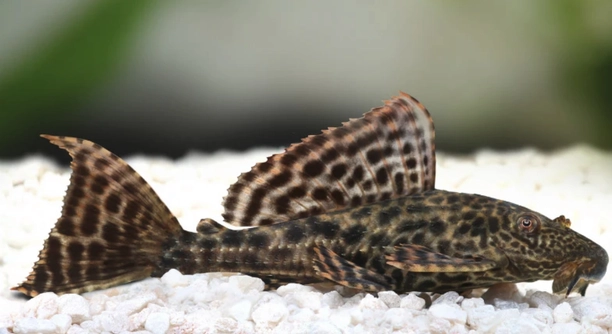
Plecostomus, also known as plecos, are popular aquarium fish that help keep tanks clean by eating algae. While they are hardy and beneficial, there are hidden dangers that come with keeping them in your tank.
Plecostomus tanks, while generally easy to maintain, pose several hidden risks such as water quality issues, excessive waste, territorial behavior, and physical harm from sharp objects. These factors can lead to stress, health issues, and environmental imbalances if not addressed.
Understanding these potential dangers is crucial for maintaining a healthy tank environment. By learning more about these risks, you can avoid common mistakes and keep your plecos safe and thriving.
Poor Water Quality
Water quality is a major concern when keeping plecostomus. They are particularly sensitive to changes in water parameters, including pH, ammonia, nitrites, and nitrates. If not maintained, poor water quality can lead to stress, weakened immune systems, and even disease. It’s important to regularly monitor the tank’s water and perform routine water changes.
Keeping a clean environment will help your plecos live longer and healthier lives. The easiest way to achieve this is by investing in a reliable filtration system and checking the water regularly for any imbalances.
A sudden change in water conditions can cause plecos to become stressed. This stress weakens their immune system, making them more vulnerable to illness. The buildup of waste in the tank also contributes to poor water quality, so it’s crucial to maintain a cleaning schedule. Regular water testing and adjusting the tank’s filtration are essential practices to keep the environment stable. Without proper care, your plecos could experience long-term health issues that could affect their quality of life.
Overfeeding
Overfeeding is a common mistake many pleco owners make. While plecos are known to help clean the tank by eating algae, they still need a balanced diet.
Excess food can lead to water pollution, as uneaten food decays and raises ammonia levels. Too much food also causes the plecos to become overweight, which can reduce their lifespan.
It’s crucial to feed your plecos only what they can consume in a short amount of time. Any leftover food should be removed to avoid it affecting the water quality. Plecos do not need to be fed every day, especially if there’s enough natural algae or biofilm in the tank. Feeding them sparingly, combined with regular water checks, ensures the tank remains clean and healthy for both your pleco and other inhabitants.
Sharp Objects and Decorations
Plecos have sensitive skin that can easily be injured by sharp objects in the tank. Rocks, ornaments, and other decorations might seem harmless but can cause physical harm to your fish.
Sharp decorations can scratch or tear your pleco’s skin, leading to infections. They may also stress the fish, making them more susceptible to illness. Smooth, rounded decorations are best for plecos, as they reduce the risk of injury. Always check that any items in the tank are fish-safe and free of sharp edges. If you notice any injuries, it’s important to treat them immediately to prevent further complications. Regularly inspect the tank and remove anything that could potentially harm your pleco.
Plecos are bottom dwellers, often spending a lot of time near the substrate or hiding in decorations. Sharp objects can interfere with their natural behavior, causing them to become more cautious and less active. Choosing soft and smooth tank decorations can help your pleco feel more secure in their environment, promoting a healthier and more active lifestyle. It’s crucial to create an environment that supports the natural needs of your pleco without exposing them to unnecessary risks.
Territorial Behavior
Plecos, particularly larger species, can develop territorial behavior, especially in smaller tanks. If you have more than one pleco, they may fight for space.
Territorial disputes can lead to injuries or stress, especially in confined spaces. This behavior is common when plecos feel threatened or overcrowded. In a smaller tank, multiple plecos may constantly clash, which affects their well-being. Providing plenty of hiding spaces and maintaining a proper tank size helps reduce territorial aggression.
When plecos are housed together, it’s important to ensure there’s enough room for each fish to claim their own territory. A larger tank with numerous hiding spots will help reduce stress. It’s also essential to observe their behavior and separate any fish that seem overly aggressive. Territorial issues can cause physical damage, as plecos may bite or chase each other. The stress from constant fighting can also weaken their immune system, leading to other health problems. Therefore, managing tank size and environment is crucial to maintaining peace among plecos and ensuring their long-term health.
Lack of Hiding Spots
Plecos need hiding spots in their tank to feel secure and reduce stress. Without these, they may become more anxious and inactive.
Without places to hide, plecos may hide in plain sight or become overly shy, reducing their overall health. Stress from lack of privacy can lead to weakened immune systems and make the fish more vulnerable to illness.
Provide caves, plants, or rocks that offer a safe retreat. These hiding spots help them feel more comfortable and reduce territorial stress, which will keep them healthier in the long run. Make sure there are enough spots for all the fish in the tank, so everyone can feel secure.
Incompatible Tank Mates
Choosing tank mates for plecos can be tricky. Not all fish are suited to live with them.
Aggressive fish or those that occupy the same bottom space can stress out plecos. It’s crucial to choose peaceful species that won’t compete for the same areas or food. Plecos do well with other non-aggressive species that swim at different levels in the tank.
Researching the compatibility of your tank mates before introducing them is essential. Plecos thrive in calm environments, and the wrong companions can lead to aggression, stress, and even injury. Always be mindful of the size and temperament of the other fish in the tank.
Temperature Fluctuations
Plecos are sensitive to changes in water temperature. Sudden temperature shifts can cause stress or health issues for your fish.
Extreme temperatures can weaken their immune system, making them prone to diseases like ich or skin infections. It’s important to maintain a steady, appropriate temperature range for your plecos, usually between 72°F and 82°F (22°C to 28°C).
FAQ
How often should I feed my plecostomus?
Feeding your plecostomus should be done every other day, depending on their size and the availability of algae in the tank. Plecos are not always active feeders, so overfeeding can lead to poor water quality. It’s essential to provide food that is specially formulated for bottom feeders, as well as offering some natural algae and biofilm in the tank. If your pleco’s stomach appears to be full after feeding, you don’t need to offer more food. Overfeeding can cause waste buildup, which negatively impacts water quality and your pleco’s health.
What should I do if my plecostomus has an injury?
If your plecostomus has a visible injury, such as cuts or torn fins, it’s important to address it right away. First, check the water quality to ensure it’s optimal, as poor water conditions can worsen infections. You can treat minor injuries with aquarium-safe antiseptic or salt baths. Make sure to remove any sharp objects or decorations that might have caused the injury. If the injury is severe or doesn’t heal, it’s best to consult with an aquarium vet. Keeping the tank clean and maintaining stable conditions will help prevent further infections and support the healing process.
Can plecos live with other bottom dwellers?
Plecos are often peaceful fish, but they can be territorial, especially when living with other bottom dwellers. If you plan to house plecos with other bottom-dwelling species, make sure the tank is large enough to accommodate everyone. Overcrowding can lead to aggressive behavior, as fish fight for space and resources. You should also ensure that other species are compatible in terms of temperament and size. Smaller, peaceful fish are usually good companions, while aggressive or similarly sized bottom dwellers can cause stress. Providing plenty of hiding spots and territories can help keep peace in a shared tank.
Do plecos need a filter?
Yes, plecos require a filtration system to maintain good water quality. While they help clean algae, plecos still produce waste that can lead to poor water conditions if not properly filtered. A good filter will keep the water clean, removing waste and excess nutrients. It’s crucial to have a filter rated for the size of your tank, as plecos can produce quite a bit of waste. Regular maintenance of the filter, along with consistent water changes, will help keep the water conditions safe and healthy for your pleco.
How big do plecostomus grow?
Plecostomus can grow to a significant size, depending on the species. The common pleco, for instance, can reach up to 24 inches (61 cm) in length. However, some species, like the bristlenose pleco, typically stay smaller, around 4 to 6 inches (10 to 15 cm). It’s essential to consider the adult size of your pleco before purchasing one, as this will determine the size of the tank and whether the pleco can comfortably live in it. A tank that is too small can lead to stress and health problems.
What is the lifespan of a plecostomus?
Plecos generally have a long lifespan when properly cared for. Most plecostomus species can live for around 10 to 15 years in captivity. However, this can vary depending on water quality, diet, tank size, and environmental factors. Keeping the tank clean, maintaining optimal water parameters, and feeding them a proper diet can help your pleco live a long, healthy life. Regular water changes, monitoring for diseases, and reducing stress also play crucial roles in ensuring your pleco’s longevity.
Do plecos need a heater in their tank?
Plecos thrive in stable water temperatures. While some species can tolerate a wider range of temperatures, most plecos do better with a heater in their tank. A heater helps maintain the water temperature between 72°F and 82°F (22°C to 28°C), which is ideal for most pleco species. Temperature fluctuations can cause stress, weaken their immune systems, and lead to illness. Using a heater ensures the water stays within the safe range, preventing any sudden drops or increases in temperature that could harm your pleco.
Why is my plecostomus not eating?
There can be several reasons why a plecostomus isn’t eating. Stress is a common factor, as changes in water quality, tank mates, or environment can make plecos lose their appetite. Ensure the water quality is optimal and there are enough hiding spots to make your pleco feel safe. If the tank is too small or overcrowded, this can also cause stress and affect their eating habits. Another factor could be the type of food offered—make sure you’re feeding the correct type of food, such as algae wafers or other specially designed pleco foods. If the issue persists, consult with a vet to rule out any health problems.
Can I keep plecos in a tank without plants?
Plecos can live in tanks without plants, but having live plants can provide additional benefits. Plants create a natural environment for plecos, offering hiding spots, surfaces for algae to grow, and extra oxygenation in the water. Without plants, plecos can still thrive as long as the water quality is maintained, and they are provided with other forms of shelter. However, live plants help mimic their natural habitat, so if you can, adding some plants to the tank can improve your pleco’s overall well-being.
Final Thoughts
Keeping a plecostomus in your aquarium can be a rewarding experience. These fish are beneficial in keeping algae under control and are generally low-maintenance, which makes them a popular choice for many aquarium owners. However, as with any pet, it’s important to understand their specific needs to ensure they thrive in their environment. While plecos are hardy, they can face hidden dangers, such as poor water quality, overfeeding, territorial behavior, and injuries from sharp objects. Addressing these risks will help maintain a healthy tank environment and contribute to the well-being of your pleco.
The most important factors in maintaining a healthy plecostomus tank are water quality, proper feeding, and a safe environment. Regularly testing the water and performing water changes will prevent the buildup of harmful substances like ammonia and nitrates. Overfeeding is a common mistake, so it’s essential to feed your pleco only what it can eat in a short period to prevent excess waste. Providing plenty of hiding spots and smooth decorations will also create a stress-free environment for your pleco, allowing it to feel secure. By taking these steps, you’ll be able to enjoy the benefits of having a pleco in your aquarium while ensuring its health and happiness.
Overall, keeping a plecostomus requires careful attention to their needs, but it doesn’t have to be overly complicated. By understanding the potential risks and making a few adjustments to your tank setup, you can create an environment where your pleco can thrive. It’s also important to remember that every pleco is different, and being observant of their behavior and adjusting your care accordingly is key to their long-term health. With the right conditions, your plecostomus can be a healthy, active, and enjoyable addition to your aquarium for many years to come.

Hello,
If you enjoy the content that we create, please consider saying a "Thank You!" by leaving a tip.
Every little bit helps us continue crafting quality advice that supports the health, happiness, and well-being of pets around the world, for pets of all shapes, sizes, and species.
We really appreciate the kindness and support that you show us!