
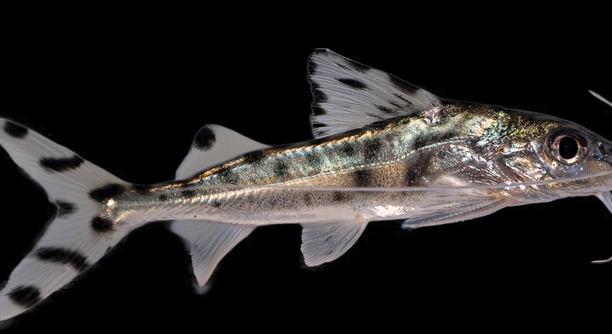
Keeping Pictus catfish in home tanks is a popular choice among aquarium enthusiasts. These fish are active and peaceful, making them great companions for many setups. However, there are some hidden dangers that may affect their health and wellbeing without obvious signs.
Several hidden dangers in Pictus catfish tanks include poor water quality, improper tank mates, inadequate hiding spots, inappropriate diet, fluctuating temperatures, stress from overcrowding, and harmful decorations. Each of these factors can significantly impact the fish’s health and behavior if not properly managed.
Recognizing these dangers early can help you provide a safer and more comfortable environment for your catfish. The following details will explain what to watch for and how to avoid these common risks.
Poor Water Quality and Its Effects
Maintaining clean water is essential for Pictus catfish health. These fish are sensitive to toxins like ammonia and nitrites, which can build up quickly in an unfiltered or poorly maintained tank. Even small changes in water parameters, such as pH or hardness, can stress the fish and make them more prone to illness. Regular water changes, testing, and a good filtration system are necessary to keep conditions stable. Neglecting these basics may result in lethargy, loss of appetite, or disease outbreaks. It’s important to be consistent with maintenance routines to avoid sudden water quality drops that can harm your catfish.
Poor water quality often leads to increased stress and susceptibility to infections in Pictus catfish.
Knowing how to maintain balanced water conditions will help your catfish stay healthy and active. Simple steps like weekly water changes and proper filtration can prevent many common problems and ensure a comfortable environment for your fish to thrive.
Tank Mates and Aggression Risks
Choosing compatible tank mates is crucial for a peaceful aquarium. Pictus catfish are generally peaceful but can become stressed or injured if housed with aggressive or overly territorial fish. Fish that nip fins or chase others cause stress, which can lead to weakened immune systems and health problems for your catfish. Avoid housing Pictus catfish with large, aggressive species or overly active fish that may outcompete them for food.
Stress from unsuitable tank mates may cause hiding behavior, reduced feeding, and vulnerability to disease.
To create a harmonious tank, select fish species with similar temperaments and size. Consider schooling fish or other peaceful species that share similar water requirements. Monitor interactions closely, especially after introducing new fish, to ensure your Pictus catfish are comfortable and safe. Adjustments may be necessary to reduce tension and promote balance in the tank environment.
Inadequate Hiding Spots
Pictus catfish need places to hide and feel secure. Without enough shelters like caves, plants, or decorations, they may become stressed and shy. Stress can weaken their immune systems and cause them to hide constantly, reducing their activity and appetite.
Providing varied hiding spots mimics their natural environment and helps reduce anxiety. Using smooth rocks, driftwood, or dense plants creates safe areas where catfish can retreat. These spots should be distributed throughout the tank to give options for different moods or times of day.
Avoid sharp or rough decorations that can injure the catfish’s sensitive barbels and fins. Proper hiding places contribute to healthier, more confident fish that display natural behaviors instead of stress-induced hiding.
Improper Diet and Nutrition
Feeding Pictus catfish a balanced diet is key for their growth and health. They are omnivores and need a mix of protein and plant matter. Relying solely on flakes or pellets can cause nutritional deficiencies and weaken their immune system. Variety helps meet all their dietary needs.
Incorporate sinking pellets designed for bottom feeders along with occasional live or frozen foods like bloodworms or brine shrimp. Fresh vegetables such as blanched zucchini or cucumber can provide fiber and vitamins. Overfeeding should be avoided since leftover food can pollute the tank and harm water quality.
Feeding the right amounts at regular intervals promotes good digestion and energy levels. A varied diet supports their natural foraging behavior and overall wellbeing, preventing health issues caused by poor nutrition.
Temperature Fluctuations
Pictus catfish thrive in stable water temperatures between 72°F and 78°F. Sudden temperature changes can cause stress and weaken their immune systems.
Consistent heating and monitoring are essential. Avoid placing the tank near drafts, windows, or heating vents to prevent rapid temperature swings that can harm your fish.
Overcrowding Concerns
Overcrowded tanks increase waste and competition for resources, leading to stress and poor water quality. Pictus catfish need enough space to swim and hide comfortably.
Maintaining proper stocking levels ensures healthier fish and a balanced aquarium environment. Overcrowding can cause aggression and illness, so plan your tank size accordingly.
Harmful Decorations
Sharp or rough decorations can injure the delicate barbels and fins of Pictus catfish. Avoid using items with edges that can tear or scratch.
Choose smooth, fish-safe decorations that provide shelter without risking injury. Proper decoration protects your catfish and promotes natural behavior.
FAQ
What causes Pictus catfish to hide all the time?
Pictus catfish often hide due to stress, which can result from poor water quality, aggressive tank mates, or lack of hiding spots. They naturally seek shelter, but constant hiding is a sign something is wrong. Checking water parameters and tank conditions can help identify the problem.
How often should I clean my Pictus catfish tank?
Regular cleaning is vital to prevent toxin buildup. Perform partial water changes of about 20-30% every week or two, depending on tank size and fish load. Clean the substrate and filter media as needed, but avoid over-cleaning, which can disrupt beneficial bacteria.
Can Pictus catfish live with other fish species?
Yes, but choose peaceful tank mates of similar size. Avoid aggressive or overly active fish that may stress or harm the catfish. Ideal companions include tetras, rasboras, and other peaceful community fish. Monitor interactions regularly to maintain harmony.
What should I feed Pictus catfish?
A varied diet is best. Use sinking pellets made for bottom feeders, supplemented with frozen or live foods like bloodworms and brine shrimp. Occasionally offer blanched vegetables such as zucchini or cucumber for added nutrition. Avoid overfeeding to maintain water quality.
Why are my Pictus catfish losing their barbels?
Barbel loss often results from poor water conditions, injuries from sharp tank decorations, or bacterial infections. Check water quality immediately and remove any harmful decorations. Treat infections promptly with appropriate medications recommended for fish.
How big do Pictus catfish get?
Pictus catfish typically grow up to 5-6 inches (12-15 cm) in length. They need sufficient tank space to accommodate their size and active swimming habits. A tank of at least 30 gallons is recommended to keep them comfortable.
Do Pictus catfish need a heater?
Yes, since they prefer stable temperatures between 72°F and 78°F (22°C – 26°C). A reliable heater and thermometer help maintain consistent warmth, preventing stress caused by temperature fluctuations.
Are Pictus catfish nocturnal?
Pictus catfish are primarily nocturnal but can be active during the day as well. Providing hiding spots allows them to rest during daylight hours and feel secure when active at night.
Can Pictus catfish live alone?
They can survive alone but usually do better in groups of three or more. Group living reduces stress and encourages natural behavior. However, avoid overcrowding to maintain water quality and reduce aggression.
How do I tell if my Pictus catfish is sick?
Signs of illness include lethargy, loss of appetite, abnormal swimming, visible wounds, or discoloration. Regular observation helps catch problems early. Prompt action with water changes or treatment can prevent disease spread.
What kind of substrate is best for Pictus catfish?
Smooth sand or fine gravel is best. Avoid sharp or rough substrates that can damage barbels. Soft substrates allow natural foraging behavior and reduce injury risks.
Is lighting important for Pictus catfish?
Moderate lighting is best. Bright lights can stress them, so providing shaded areas or floating plants helps create a comfortable environment. Mimicking natural light cycles supports their health and activity patterns.
How long do Pictus catfish live?
With proper care, they can live 8 to 10 years. Good water quality, a balanced diet, and a stress-free environment contribute to a longer lifespan.
Can Pictus catfish jump out of the tank?
Yes, they are known to jump occasionally, especially if stressed or poorly housed. A secure lid or cover is important to prevent escapes and injuries.
What are common diseases in Pictus catfish?
Common issues include fin rot, bacterial infections, and parasites. These often arise from poor water quality or stress. Maintaining a clean tank and prompt treatment help prevent outbreaks.
Caring for Pictus catfish requires attention to several important details to ensure they remain healthy and comfortable. These fish need stable water conditions, appropriate tank mates, and a clean environment to thrive. Poor water quality, overcrowding, and sudden changes in temperature can cause stress and illness. Providing enough hiding spots and smooth decorations helps protect their sensitive barbels and gives them places to feel secure. Feeding a balanced diet with varied foods supports their health and natural behaviors. Paying close attention to these factors reduces risks and creates a more enjoyable aquarium experience.
Understanding the hidden dangers in Pictus catfish tanks is essential for every owner. Many problems develop quietly and may go unnoticed until the fish show signs of distress. Regular monitoring of water parameters and tank conditions can catch issues early. Avoiding sharp decorations and aggressive tank mates minimizes injury and stress. Overfeeding and poor diet are common causes of health problems, so a thoughtful feeding routine is necessary. Small efforts in maintaining the tank and observing the fish closely make a big difference in their wellbeing and longevity.
Being proactive in your care routine helps prevent many common problems with Pictus catfish. These fish respond well to a stable and well-maintained environment. When the basics of water quality, tank size, diet, and compatible companions are in place, they will display their active and peaceful nature. Taking the time to create a safe habitat shows respect for their needs and leads to a rewarding experience. With careful attention and proper care, Pictus catfish can live a long, healthy life in your aquarium.

Hello,
If you enjoy the content that we create, please consider saying a "Thank You!" by leaving a tip.
Every little bit helps us continue crafting quality advice that supports the health, happiness, and well-being of pets around the world, for pets of all shapes, sizes, and species.
We really appreciate the kindness and support that you show us!