
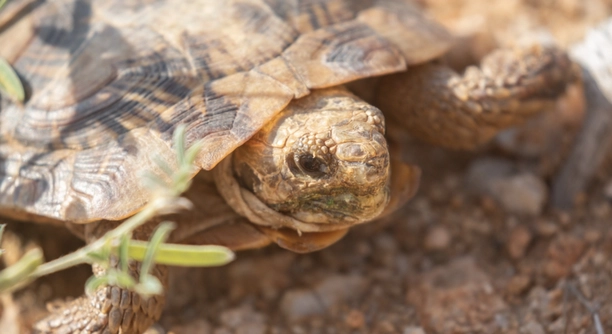
Pancake tortoises are fascinating creatures that thrive in specific environments. While their natural habitat is often carefully managed, there are hidden dangers that can threaten their well-being. Understanding these risks can help ensure they stay healthy and safe.
Several hidden dangers exist in a pancake tortoise’s environment, including inadequate temperature regulation, improper humidity levels, harmful substrate, exposure to predators, insufficient UVB light, inadequate diet, and poor water quality. Each of these factors can significantly affect their health.
Identifying these dangers early can help prevent harm. With proper care, pancake tortoises can thrive in a safe and healthy environment.
Temperature Regulation: A Crucial Factor
Temperature is one of the most critical elements in a pancake tortoise’s environment. Too high or too low can cause stress or even illness. In the wild, these tortoises experience significant temperature variations, but in captivity, it’s essential to create a stable environment. The ideal temperature range should be between 85°F to 95°F (29°C to 35°C) during the day, with a slight drop at night. A basking spot should be available at a higher temperature to mimic natural sunlight, while cooler areas in the enclosure give the tortoise a chance to retreat if it gets too warm.
Maintaining a proper temperature gradient prevents stress and allows the tortoise to regulate its body heat.
Without a proper temperature setup, pancake tortoises can face serious health issues such as respiratory infections or digestive problems. Investing in a quality thermostat and heating elements ensures that their environment stays within the optimal range, promoting overall well-being.
Humidity Control
Humidity is just as important as temperature for pancake tortoises. A level of 50% to 70% humidity is ideal for these creatures, as it prevents dehydration and supports healthy shell growth. Too little moisture can lead to dehydration, while excessive moisture can cause respiratory issues.
Proper humidity can be achieved through misting, water bowls, or humidifiers.
Harmful Substrate
The substrate in a pancake tortoise’s enclosure plays a huge role in its well-being. Gravel, sand, or loose soil might seem harmless but can cause injury if ingested or if it sticks to their skin. It’s crucial to use non-abrasive materials that won’t cause cuts or irritation.
A safe option is a mix of coconut coir, organic soil, or cypress mulch. These materials provide a more natural environment and are easier on the tortoise’s health. Avoid using small pebbles or sharp-edged items.
Over time, debris and waste can accumulate in the substrate. It’s vital to clean or replace it regularly to maintain a hygienic environment and avoid potential infections.
Exposure to Predators
In the wild, pancake tortoises are preyed upon by larger animals. In captivity, it’s important to ensure their environment is secure and predator-free. Small pets like dogs, cats, or other reptiles might pose a risk to the tortoise.
Keeping the enclosure tightly sealed and ensuring the tortoise has access to safe hiding spots reduces the likelihood of stress or injury. A secure lid or enclosure design also prevents the tortoise from wandering out into potentially harmful surroundings.
Predators don’t always have to be physical; loud noises or sudden movements can also cause anxiety in these delicate creatures. Create a calm, quiet environment to avoid unnecessary stress.
UVB Light
Pancake tortoises rely on UVB light to synthesize vitamin D3, which helps them absorb calcium and maintain healthy bones. Without proper UVB exposure, they can develop shell deformities and other health problems.
The light should be provided for 10 to 12 hours daily, using a UVB lamp specifically designed for reptiles.
Position the lamp about 12 inches from the tortoise, ensuring it provides enough coverage for them to bask under. Regularly replace the bulb every six months to ensure adequate UVB output.
Diet Deficiencies
A balanced diet is key to a pancake tortoise’s health. Without proper nutrition, they can suffer from weak shells, poor growth, or even metabolic bone disease.
Leafy greens, such as dandelion greens and collard greens, are ideal staples. Supplement their diet with occasional fruits and calcium powder for extra nutrition.
Water Quality
Clean, fresh water is essential. Dirty water can lead to bacterial infections, and stagnant water makes it hard for your tortoise to stay hydrated.
It’s important to provide a shallow water dish that’s regularly cleaned and refilled. Keep the water level low enough so your tortoise doesn’t risk drowning.
FAQ
What is the best temperature range for a pancake tortoise?
The ideal temperature for a pancake tortoise is between 85°F to 95°F (29°C to 35°C) during the day, with a slight drop at night. They need a basking spot with higher temperatures, while cooler areas in the enclosure provide a place to retreat.
How often should I feed my pancake tortoise?
Pancake tortoises should be fed every other day, offering a variety of leafy greens like dandelion, collard, and mustard greens. Occasionally, you can offer fruits like strawberries or papaya, but greens should form the majority of their diet.
Can pancake tortoises eat fruit regularly?
Fruit should only be given as a treat once or twice a week, as it’s high in sugar. Fruits like strawberries, bananas, and papaya can be offered in moderation to avoid digestive issues.
Is it necessary to use a UVB light for my pancake tortoise?
Yes, UVB light is essential for pancake tortoises. It helps them synthesize vitamin D3, necessary for calcium absorption and healthy bone growth. Without it, they could develop metabolic bone disease. The UVB light should be on for 10-12 hours daily.
Can I use sand or gravel in the enclosure?
It’s best to avoid sand and gravel, as they can cause digestive issues if ingested. Opt for non-abrasive substrates like coconut coir, organic soil, or cypress mulch that are safer and more natural for the tortoise.
How do I prevent my pancake tortoise from becoming stressed?
Creating a calm, quiet environment is key. Keep the enclosure away from loud noises or areas with heavy foot traffic. Ensure the enclosure is secure, preventing any predators, including other pets, from disturbing the tortoise.
How do I know if my pancake tortoise is dehydrated?
Signs of dehydration in a pancake tortoise include sunken eyes, dry skin, and lethargy. If you notice these signs, increase their water intake and soak them in shallow, lukewarm water for 20-30 minutes to help rehydrate them.
What should I do if my pancake tortoise isn’t eating?
If your tortoise stops eating, check for environmental issues like improper temperature, humidity, or a lack of UVB light. Stress or illness can also cause a loss of appetite. If the problem persists, a vet visit is recommended.
Can pancake tortoises live with other reptiles?
Pancake tortoises should be housed alone or with others of their species. Keeping them with other reptiles could lead to stress, territorial issues, or even aggression. It’s best to avoid mixing species.
How often should I clean the enclosure?
Regular cleaning is essential. Spot-clean the enclosure daily, removing uneaten food and waste. Replace the substrate every 2-3 months, depending on the type you use. Deep cleaning should be done every month, ensuring all surfaces are sanitized.
What is the lifespan of a pancake tortoise?
Pancake tortoises can live for up to 30 years or more with proper care. Their lifespan can vary based on their living conditions, diet, and overall health. Ensuring they have a healthy environment will help them live a long life.
Are pancake tortoises good pets for beginners?
Pancake tortoises require specialized care, making them better suited for experienced reptile keepers. However, with proper research and preparation, beginners who are willing to commit time and resources can care for them successfully.
What kind of habitat do pancake tortoises need?
Pancake tortoises need an enclosure that mimics their natural desert-like environment. It should have proper temperature gradients, a safe hiding spot, and appropriate substrates. The habitat should be spacious enough for them to roam and bask comfortably.
Can I house my pancake tortoise outside?
If you live in a warm climate, you can keep your pancake tortoise outside, but ensure the area is secure and predator-free. The enclosure should have shaded areas, a basking spot, and a safe water source to help maintain the ideal temperature and humidity levels.
What should I do if my pancake tortoise’s shell appears soft or deformed?
A soft or deformed shell is often a sign of calcium deficiency or improper UVB exposure. Ensure your tortoise has access to proper UVB lighting and a calcium supplement. If the problem persists, consult a veterinarian for further diagnosis and treatment.
How do I handle my pancake tortoise?
Handling should be kept to a minimum, as tortoises can get stressed. If necessary, handle them gently, supporting their body and avoiding sudden movements. Always wash your hands afterward to avoid spreading germs or parasites.
What’s the best way to provide water for my pancake tortoise?
Provide a shallow water dish that is cleaned and refilled daily. The water should be fresh and changed regularly to avoid bacterial growth. Ensure the dish is large enough for the tortoise to soak in, but shallow enough to prevent drowning.
Can pancake tortoises climb?
Pancake tortoises are known for their climbing abilities, particularly due to their flat shells. They enjoy climbing on rocks or logs, which is a natural behavior. Providing climbing structures in the enclosure allows them to display this instinct and stay mentally stimulated.
What should I do if my pancake tortoise’s eyes are swollen or discharge is present?
Swollen eyes or discharge could indicate a respiratory infection or an eye infection, both of which are serious and require immediate attention. Ensure your tortoise’s environment is optimal and consult a vet if symptoms persist.
Is it okay to use wood chips in the enclosure?
Wood chips, particularly cedar or pine, should be avoided as they contain oils that can irritate your tortoise’s respiratory system. Instead, opt for safer substrates like coconut coir or cypress mulch that are non-toxic and gentle on their health.
How much space does a pancake tortoise need?
A pancake tortoise needs a spacious enclosure that allows for roaming, basking, and hiding. A 40-gallon tank or larger is ideal for one tortoise. The more space you can provide, the better, as these tortoises are active creatures.
What is the ideal humidity for a pancake tortoise’s enclosure?
Pancake tortoises thrive in a humidity range of 50-70%. Maintaining this humidity is crucial to their health, preventing dehydration and respiratory issues. Use a hygrometer to monitor the humidity levels and adjust using a humidifier or misting if needed.
Final Thoughts
Caring for a pancake tortoise requires careful attention to detail. Providing the right temperature, humidity, and food is essential for their well-being. Their unique needs, such as access to UVB light and a proper diet, must be met to ensure a long, healthy life. Like all reptiles, they thrive in environments that mimic their natural habitat, so it’s important to create a suitable living space. This includes offering enough room for climbing, basking, and retreating to a safe spot when needed.
In addition to their physical needs, it’s important to monitor their health regularly. Look for signs of dehydration, shell deformities, or any changes in eating habits, which can indicate underlying health issues. Regular cleaning of their enclosure, proper diet, and hydration are all part of maintaining their health. Pancake tortoises are relatively low-maintenance pets once their environment is properly set up, but they do require attention and care to ensure they are not stressed or at risk for illness. Over time, they can become more accustomed to handling, though it should always be minimal to avoid stressing them out.
Pancake tortoises make unique and interesting pets. They are a bit more demanding than some other reptiles but can thrive in a well-maintained habitat. While they may not be ideal for beginners, anyone willing to invest time in learning about their needs can enjoy the experience of keeping them as pets. The key is to provide a stress-free, comfortable environment where they can display their natural behaviors. With the right care, pancake tortoises can be a rewarding addition to any reptile keeper’s home.

Hello,
If you enjoy the content that we create, please consider saying a "Thank You!" by leaving a tip.
Every little bit helps us continue crafting quality advice that supports the health, happiness, and well-being of pets around the world, for pets of all shapes, sizes, and species.
We really appreciate the kindness and support that you show us!