
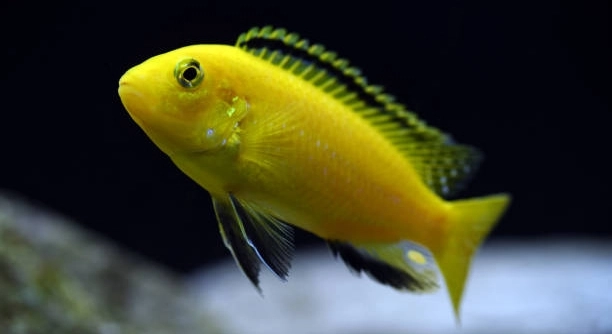
Raising cichlid fry can be a joyful experience, but it also comes with challenges that are easy to overlook. Even a well-maintained tank can hide risks that affect the health and survival of baby fish.
Cichlid fry face several hidden dangers in the tank, including poor water quality, aggressive tank mates, insufficient hiding spots, overfeeding, fluctuating temperatures, diseases, and inadequate filtration. These factors can significantly reduce fry survival if not carefully managed.
Knowing what to watch for can make a big difference in keeping your fry safe and healthy. These issues often appear subtle but can have serious consequences over time.
Insufficient Hiding Spots
Fry need places to hide to feel safe and avoid stress. Without proper cover, they become easy targets for larger fish or even their own siblings. Plants, rocks, and small caves provide shelter and reduce aggression in the tank. Hiding spots also help fry regulate their activity levels and give them a sense of security. Overcrowded tanks without adequate cover can cause fry to dart constantly, wasting energy and increasing susceptibility to disease. Adding floating plants or fine-leaved greenery creates shaded areas that mimic natural habitats. Even simple decorations like clay pots or PVC tubes can offer refuge. Observing where fry spend most of their time can help identify areas lacking shelter. Proper hiding spots also allow fry to grow at their own pace, reducing stress and improving survival rates. Planning tank layout with fry safety in mind is a key part of successful breeding and raising.
Providing enough hiding spots lowers stress and increases fry survival significantly. Simple additions make a big difference.
Hiding spots let fry explore safely and prevent constant harassment. They encourage natural behavior and give small fish a better chance to grow strong and healthy without fear.
Overfeeding
Overfeeding is a common mistake when raising fry. Small fish require frequent, tiny meals, but giving too much can pollute water and harm their health. Excess food breaks down quickly, raising ammonia and nitrite levels.
Feeding the right amount prevents water problems and ensures fry get proper nutrition. Observing fry eating habits helps adjust portions accurately.
It is easy to think more food means faster growth, but it often causes more harm than good. Uneaten food sinks to the bottom, rotting and creating toxic conditions for delicate fry. Overfeeding can also lead to digestive problems and slow development. Using small, frequent feedings of high-quality fry food ensures they get necessary nutrients without overwhelming the tank. Removing leftover food promptly helps maintain water quality. Measuring portions and sticking to a feeding schedule keeps the tank clean and safe, giving fry the best chance to thrive. Proper feeding is just as important as tank setup and water care in promoting healthy growth and long-term survival of young cichlids.
Fluctuating Temperatures
Fry are very sensitive to temperature changes. Sudden drops or rises can stress them, weaken their immune system, and slow growth. Consistent tank heating is essential, especially in tanks without stable room temperatures.
Even small fluctuations can affect fry metabolism and behavior. Keeping a reliable heater and thermometer ensures a stable environment. Regularly checking water temperature prevents unexpected stress that can lead to illness. Extreme swings may cause fry to hide excessively, eat less, or become lethargic. Gradual adjustments are better if changes are needed, as sudden shifts can shock delicate systems. Stable water temperature also supports beneficial bacteria in the tank, which keeps water quality consistent. A steady environment promotes healthy growth, strengthens immunity, and reduces mortality. Investing in simple tools like a heater with a thermostat and monitoring daily ensures fry remain safe, active, and growing at a proper pace.
Temperature control goes hand-in-hand with water quality management. Fry thrive in a steady, comfortable climate that mimics natural conditions, making daily attention worthwhile.
Diseases
Fry are highly vulnerable to infections. Bacteria, fungi, and parasites can spread quickly in crowded or unclean tanks, often leading to high mortality if not addressed.
Preventing disease starts with clean water, quarantine of new fish, and careful observation. Early detection allows prompt treatment, minimizing losses.
Even minor infections can spread fast among fry. Signs include white spots, frayed fins, or unusual swimming patterns. Stress from poor water, overcrowding, or aggression increases susceptibility. Using medicated fry-safe treatments and isolating affected individuals helps contain outbreaks. Regular water changes, proper filtration, and avoiding overfeeding reduce the risk of disease. Introducing plants or decorations should be done carefully to avoid bringing in pathogens. Quarantining new fish before adding them to the main tank protects fragile fry populations. Maintaining strong tank hygiene, combined with attentive monitoring, keeps fry healthy and reduces the chance of sudden losses due to preventable infections. Consistent care and vigilance create a safe environment for fry to grow without illness.
Inadequate Filtration
A weak or clogged filter can leave waste in the water, creating toxic conditions for fry. Proper filtration removes debris, maintains oxygen levels, and supports beneficial bacteria growth. Regular cleaning and maintenance are essential to keep the system running efficiently.
Filters should match tank size and population. Too small a filter fails to handle waste, while improper flow can stress fry.
Water Chemistry Imbalance
Maintaining stable pH, hardness, and mineral levels is important. Sudden shifts can stress fry, making them more prone to disease and slower growth. Testing water regularly and making gradual adjustments keeps conditions safe and predictable for young fish.
Overcrowding
Too many fry in one tank increases stress, competition for food, and disease risk. Each fish needs space to swim and grow properly, and overpopulation can lead to weaker, slower-growing individuals. Careful monitoring of numbers prevents long-term problems.
FAQ
What is the best way to feed cichlid fry?
Feeding small, frequent meals is key. Fry cannot handle large amounts of food at once. Using finely crushed flakes, powdered fry food, or baby brine shrimp ensures they get proper nutrition without overloading the tank. Remove leftover food promptly to avoid water contamination. Observing their eating habits helps adjust portions. Gradually increase food size as they grow.
How often should I change the water for fry?
Partial water changes of 10–20% every few days help maintain water quality. Fry are sensitive to toxins, so keeping ammonia and nitrites low is critical. Always use dechlorinated water at the same temperature to prevent stress. Avoid large changes, as sudden shifts can harm delicate fry.
Can I keep fry with adult cichlids?
It is usually not recommended. Adult cichlids may see fry as food or compete aggressively. If keeping them together, provide plenty of hiding spots, but a separate nursery tank is the safest option. Dividers or breeding boxes can protect fry until they grow large enough.
What signs indicate my fry are stressed?
Stress shows in behavior and appearance. Fry may hide constantly, swim erratically, refuse food, or develop faded colors. Stress can come from poor water quality, temperature changes, or aggressive tank mates. Early observation helps correct problems before health deteriorates.
How do I prevent disease in fry?
Maintaining clean water, proper nutrition, and suitable tank conditions is the best prevention. Quarantining new fish and plants reduces the risk of introducing pathogens. Monitor for early symptoms like spots, frayed fins, or unusual swimming. Treat affected fry with safe medications promptly.
What is the ideal temperature for cichlid fry?
Most cichlid fry do well in stable temperatures between 78–82°F (25–28°C). Use a reliable heater and thermometer to maintain consistency. Avoid sudden changes, which can weaken the immune system and slow growth. Gradual adjustments are safer if changes are necessary.
How many fry can I keep in one tank?
Overcrowding increases stress, disease risk, and competition for food. A small tank should house fewer fry, while larger tanks can accommodate more. Provide hiding spots and monitor growth carefully. Separating fry into multiple tanks or using breeding boxes may be necessary for larger batches.
Do decorations affect fry survival?
Yes. Decorations, plants, and rocks provide hiding places, reduce stress, and allow natural behavior. Avoid sharp objects that can injure fry. Clean decorations before adding them to the tank to prevent introducing harmful bacteria or parasites. Proper layout supports safety and healthy growth.
How do I know if water chemistry is right?
Regular testing of pH, hardness, ammonia, nitrites, and nitrates is essential. Fry are sensitive to sudden shifts. Gradual adjustments using safe products help maintain stability. Stable water chemistry reduces stress, supports growth, and prevents disease outbreaks.
Can fry survive without hiding spots?
They can survive, but survival rates are lower. Lack of cover increases stress, exposes them to aggression, and slows growth. Providing plants, rocks, or PVC tubes allows fry to rest, escape threats, and develop safely. Careful tank planning improves survival significantly.
How long does it take for fry to grow?
Growth rates vary by species, water quality, and nutrition. Most cichlid fry grow rapidly in the first few weeks with proper care. Consistent feeding, stable water conditions, and protection from stressors ensure healthy development toward juvenile and adult stages.
Is it safe to use medications in fry tanks?
Some medications are safe for fry, but dosages must be carefully followed. Avoid strong chemicals that can harm small fish. Fry-specific treatments or mild antifungal/bacterial solutions are usually recommended. Always read labels and monitor fry during treatment to ensure safety.
How do I reduce aggression in a fry tank?
Provide ample hiding spots, maintain proper population density, and separate aggressive fish if necessary. Avoid mixing incompatible species. Gentle water flow and consistent care reduce stress-induced aggression. Observing behavior daily helps identify and address problems early.
Can fry eat live food?
Yes, live food like baby brine shrimp or microworms is highly nutritious and encourages natural hunting behavior. Feed in small quantities to prevent water contamination. Rotate with prepared fry foods for balanced nutrition and healthy growth.
What is the biggest risk for cichlid fry?
The most significant threats are water quality issues, disease, and aggression from other fish. Monitoring these factors closely and providing a safe environment with proper nutrition greatly increases survival rates and healthy development of fry.
How often should I test water for fry?
Testing every few days is recommended, focusing on ammonia, nitrite, nitrate, and pH. Daily observation of fry behavior supplements testing. Quick intervention prevents minor issues from becoming major problems. Stable water conditions are essential for fry health.
Are all cichlid species the same in care?
No. Different species have varying temperature, water chemistry, and feeding needs. Research specific requirements before breeding or raising fry. Tailoring care to the species improves survival and ensures proper growth. General principles apply, but details matter for each type of cichlid.
Can fry survive in unheated tanks?
Some species tolerate cooler water, but most grow best in stable, slightly warmer temperatures. Unheated tanks with fluctuating temperatures increase stress and slow development. Using a heater with a thermostat is the safest approach for consistent growth.
How do I introduce new fry to the main tank?
Gradually acclimate fry to larger tanks by using slow water mixing and providing hiding spots. Introduce them when they are strong enough to avoid predation. Monitor interactions to prevent aggression and ensure proper adaptation.
What is the best way to monitor fry growth?
Observe size, color, and activity regularly. Healthy fry are active, responsive, and gradually increasing in size. Keep records if necessary. Monitoring ensures early detection of problems and confirms that care practices are effective.
How long do cichlid fry stay vulnerable?
Fry remain most vulnerable for the first few weeks. After developing scales, stronger fins, and better swimming ability, survival rates improve. Continued attention to water quality, nutrition, and tank safety remains important until they reach juvenile stages.
Can I raise fry without a separate tank?
It is possible in well-planned, low-population tanks with plenty of hiding spots and calm adults. However, separation is safer and reduces stress, aggression, and mortality, especially for large batches of fry. Careful observation is crucial if using a shared tank.
How do I know if fry are getting enough food?
Healthy fry are active and growing steadily. If they consistently ignore food, appear thin, or show slow growth, feeding may be inadequate. Adjust portion size, frequency, or food type to ensure proper nutrition without overfeeding.
Is it okay to mix different species of fry?
Mixing fry can be risky due to differences in growth rates, aggression, and water requirements. Faster-growing or more aggressive species may outcompete others. Separate tanks for different species improve safety and survival chances.
How important is observation for fry care?
Observation is critical. Fry show early signs of stress, disease, or poor water conditions through behavior and appearance. Daily monitoring allows timely intervention, preventing minor issues from becoming deadly. Consistent attention ensures fry develop healthily and survive to juvenile stages.
What equipment is essential for raising fry?
A reliable heater, thermometer, filter, water testing kits, and containers for separation or breeding are essential. Decorations and hiding spots improve survival. Basic but consistent care equipment provides a safe environment for fry to grow without unnecessary stress.
Can fry survive in tap water?
Tap water must be treated to remove chlorine, chloramines, and heavy metals. Using a water conditioner ensures safety. Untreated tap water can damage gills and cause illness. Proper preparation is crucial before adding fry to the tank.
How do I encourage natural behavior in fry?
Providing live food, hiding spots, and a stable environment promotes natural swimming, feeding, and social behaviors. Avoid overcrowding and aggressive tank mates to allow fry to explore safely and develop instincts without stress or injury.
What is the best light setup for fry tanks?
Moderate lighting simulates natural conditions without causing stress. Too bright lights may make fry hide constantly, while too dim can affect activity. Using adjustable or diffused lighting helps fry feel secure while maintaining healthy growth and development.
How long should fry stay in a nursery tank?
Fry usually need 4–6 weeks in a protected nursery tank, depending on species and growth rate. They should be strong enough to avoid predation before moving to the main tank. Gradual introduction reduces stress and ensures survival.
Can I use plants to improve fry survival?
Yes, live or artificial plants provide cover, reduce stress, and mimic natural habitats. Plants help fry hide from aggression, regulate activity, and feel secure, contributing to better growth and overall health.
How do I know when fry are ready for the main tank?
Fry are ready when they have developed scales, strong fins, and consistent swimming ability. They should compete for food without stress and be large enough to avoid predation. Gradual acclimation ensures smooth transition and survival in the main tank.
Is water flow important for fry?
Yes, gentle water flow helps oxygenation without stressing fry. Strong currents can tire small fish and make feeding difficult. Position filters and decorations to create calm areas while maintaining healthy circulation.
How do I reduce ammonia spikes in fry tanks?
Regular water changes, proper feeding, and maintaining an efficient filter prevent ammonia buildup. Avoid overstocking and promptly remove uneaten food. Testing water frequently ensures early detection and correction of spikes before fry are harmed.
Can fry live with other species of fish?
Compatibility depends on size, behavior, and water requirements. Avoid aggressive or larger species that may prey on fry. Providing hiding spots and monitoring interactions is essential if mixing species. Separate tanks are safer for survival.
How important is tank cleanliness for fry?
Tank cleanliness is crucial. Waste buildup leads to toxic conditions and disease. Regular water changes, removing uneaten food, and cleaning surfaces support a safe environment, promoting healthy growth and minimizing stress for fry.
How do I acclimate fry to new water?
Gradually mix small amounts of new water into the fry tank over time. Sudden changes can shock delicate fry. Monitor behavior and adjust slowly to maintain stability and prevent stress or illness.
Can fry survive without a heater in warm climates?
Some tropical species may tolerate natural room temperatures, but stability is still important. A heater ensures consistent warmth and reduces stress caused by temperature fluctuations, supporting steady growth and immune function.
How do I tell if fry are eating enough live food?
Active hunting and steady growth indicate sufficient nutrition. If fry ignore food, appear thin, or grow slowly, adjust quantity or variety. Small, frequent feedings prevent overfeeding while meeting nutritional needs.
Are there signs of overcrowding in fry tanks?
Signs include constant competition for food, stress behaviors like hiding or darting, slower growth, and increased disease susceptibility. Reducing numbers or providing additional space helps maintain healthy development.
How long should I monitor fry daily?
Observing fry for at least 10–15 minutes daily is helpful. Watch feeding, swimming, and interaction patterns. Early detection of stress, illness, or water issues allows prompt corrective action, improving survival.
What are the most common mistakes in raising fry?
Common mistakes include overfeeding, poor water quality, overcrowding, aggressive tank mates, and sudden temperature or chemistry changes. Avoiding these issues through careful monitoring, proper equipment, and consistent care greatly increases survival and healthy development.
Can I keep fry in a tank with strong filtration?
Yes, but flow must be gentle. High currents can exhaust small fry. Adjust filters or add baffles to reduce force while maintaining water quality and oxygenation. Safe filtration balances cleanliness with comfort.
Is monitoring fry growth necessary?
Yes. Tracking size, activity, and color ensures they are developing properly. It helps detect issues early and adjust care practices for better survival and healthy maturation into juvenile and adult stages.
Can fry survive if I use artificial food only?
Yes, but a mix of high-quality powdered or flake foods with occasional live foods supports better growth, natural behavior, and nutrition. Monitoring response ensures fry are thriving.
How do I protect fry from sudden stress?
Keep water stable, avoid sudden movements or loud noises, and provide hiding spots. Gradual changes and consistent routines minimize stress, keeping fry healthy and active.
How do I avoid overfeeding when using live food?
Feed in small amounts, observe how much is consumed in a few minutes, and remove leftovers promptly. Frequent, controlled feedings prevent water quality issues while supplying sufficient nutrition.
What is the role of hiding spots in fry survival?
Hiding spots reduce stress, prevent aggression, and allow fry to rest safely. They mimic natural habitats and encourage natural behaviors, contributing to healthier growth and higher survival rates.
How often should I clean fry tanks?
Partial cleaning with water changes every few days keeps waste levels low. Avoid deep cleaning that disrupts beneficial bacteria. Regular, gentle maintenance balances cleanliness and stability for fry.
Can fry survive in uncycled tanks?
Uncycled tanks are risky. Beneficial bacteria take time to develop, and ammonia spikes can harm fry. Cycling the tank before adding fry ensures safer conditions and higher survival rates.
Is it necessary to quarantine new fry?
Quarantining prevents disease introduction. Isolate new fry in a separate tank and monitor them before mixing with established fry. Early detection of illness protects the larger population.
How do I handle sudden illness in fry?
Isolate affected individuals, test water, and use fry-safe treatments. Identify the cause, such as poor water quality or infection, and address it quickly. Prompt action prevents spread and reduces mortality.
What is the safest way to transfer fry between tanks?
Use a small container with water from the original tank. Gradually acclimate them to new water by mixing over time. Avoid sudden moves that can stress or injure delicate fry.
Can fry survive without hiding places in the main tank?
Survival decreases without cover. Fry are vulnerable to predation and stress. Providing plants, rocks, or other shelters improves safety, encourages natural behavior, and increases growth rates.
Are there differences in raising fry of different cichlid species?
Yes. Species vary in water preferences, temperature needs, aggression levels, and growth rates. Researching each species ensures proper care and maximizes survival. Applying general principles is helpful but not sufficient for all species.
What is the best way to measure fry growth?
Observe size, color, and behavior regularly. Use gentle methods like small rulers or reference objects in photos. Tracking growth helps identify feeding or health issues early.
How do I maintain fry health over several weeks?
Keep water quality stable, feed appropriately, provide hiding spots, monitor behavior, and separate aggressive or sick individuals. Consistent attention ensures strong growth and reduces mortality during the critical early weeks.
Can fry live without plants in the tank?
They can survive, but plants improve survival by offering hiding spots and reducing stress. Artificial decorations can substitute, but natural cover better mimics their environment and supports healthy behavior.
How important is monitoring ammonia and nitrite levels?
Extremely important. Even small spikes can stress or kill fry. Frequent testing, partial water changes, and proper filtration maintain safe levels and promote healthy growth.
Is using a sponge filter recommended for fry?
Yes. Sponge filters provide gentle filtration, maintain water quality, and reduce suction risks. They also support beneficial bacteria essential for fry survival and tank stability.
How do I safely remove uneaten food?
Use a small siphon or net to pick up leftover food after feeding. Prompt removal prevents water contamination, ammonia spikes, and reduces risk of disease in fry tanks.
Can fry survive with fluctuating pH?
Frequent pH changes stress fry and weaken their immune system. Stable pH is critical. Gradual adjustments are safer than sudden shifts and support consistent growth and survival.
How do I prevent fungal infections in fry?
Maintain clean water, avoid overfeeding, and quarantine new fish or plants. Early detection of white cottony growth allows prompt treatment with fry-safe antifungal products. Prevention is more effective than cure.
What is the role of oxygenation for fry survival?
Fry need well-oxygenated water to grow and stay healthy. Proper filtration, gentle aeration, and water movement support oxygen levels, reduce stress, and prevent lethargy or illness.
Can fry survive strong water currents?
Strong currents tire fry, reduce feeding efficiency, and increase stress. Gentle water flow or calm areas ensures they can swim, eat, and grow without unnecessary strain.
Is observing fry daily necessary for beginners?
Yes. Daily observation helps detect water problems, disease, aggression, or feeding issues early. Early action improves survival and builds confidence in managing fry tanks.
How do I balance feeding and water quality?
Feed small portions frequently, remove leftovers, and monitor tank conditions. This approach provides nutrition without harming water quality, ensuring healthy fry growth and reducing disease risk.
Can fry survive in tanks with heavy filtration?
Yes, if flow is gentle. High water flow can exhaust fry and interfere with feeding. Adjust filters or use baffles to maintain water quality safely.
How long should I keep fry separate from adults?
Until fry are large enough to avoid predation and swim strongly. Usually 4–6 weeks depending on species. Gradual introduction minimizes stress and ensures survival.
Can fry tolerate small ammonia or nitrite levels?
Even low levels can stress fry. Ideal water should have zero detectable ammonia or nitrites. Regular testing and prompt intervention are essential to prevent harm.
How do I ensure fry get enough food in a group?
Distribute food evenly and provide hiding spots so weaker fry can access meals. Observing feeding behavior ensures all fry are eating and growing properly.
What is the effect of stress on fry survival?
Stress slows growth, weakens immunity, and increases mortality. Causes include aggression, poor water quality, temperature changes, and lack of shelter. Minimizing stress improves health and long-term survival.
Are fry sensitive to light intensity?
Yes. Bright lights may cause hiding, while dim lights may reduce activity. Moderate, diffused lighting mimics natural conditions, keeping fry comfortable and active.
How do I prevent fungal and bacterial infections?
Maintain clean water, avoid overfeeding, quarantine new fish, and provide proper nutrition. Early detection of symptoms allows prompt treatment, reducing mortality and improving growth rates.
Can fry survive in a tank without plants?
They can, but plants offer cover, reduce stress, and encourage natural behavior. Artificial decorations help, but live plants provide additional benefits for growth and safety.
How important is temperature stability for fry?
Extremely important. Sudden changes weaken immunity, slow growth, and increase mortality
Raising cichlid fry is rewarding, but it requires attention and care. These tiny fish are very sensitive to their environment, and even small mistakes can affect their health or survival. Maintaining clean water, stable temperatures, and proper feeding routines are essential. Monitoring water chemistry, such as pH, hardness, ammonia, and nitrite levels, helps prevent stress and illness. Fry also need space and hiding spots to grow safely. Plants, rocks, or small decorations allow them to explore, rest, and avoid aggression from other fish. Simple steps like observing behavior daily, removing uneaten food, and checking the tank for signs of disease go a long way in keeping fry healthy. Consistency is more important than perfection, and small changes done carefully are better than sudden, drastic adjustments that can shock fragile fry.
Understanding each factor that affects fry survival makes the process more manageable. Aggression from adult fish or tank mates, poor filtration, overcrowding, and overfeeding are common problems that can be avoided with planning. Separate nursery tanks or breeding boxes can protect fry during the most vulnerable stages. Feeding should be frequent but measured, using small portions of powdered or live foods. Too much food can pollute water, while too little can slow growth. Monitoring fry growth and behavior helps ensure that each fish is getting what it needs. Even small details, like the direction of water flow from filters or the placement of decorations, influence their comfort and activity. Careful attention to these details reduces stress, prevents disease, and improves survival rates, allowing fry to grow into strong, healthy adult fish.
Patience and observation are key in raising cichlid fry successfully. Each tank is slightly different, and each batch of fry may behave in unique ways. Paying attention to subtle changes in activity, eating habits, or appearance helps identify problems early. Maintaining stable conditions, providing safe hiding spots, and keeping water clean are the foundation for healthy growth. Over time, consistent care results in fry that are active, growing well, and ready to eventually join the main tank. While challenges exist, following these basic principles makes raising cichlid fry more predictable and less stressful. With careful management and observation, the effort is worthwhile, as healthy, thriving fry can develop into strong adult fish and provide long-term enjoyment in the tank.

Hello,
If you enjoy the content that we create, please consider saying a "Thank You!" by leaving a tip.
Every little bit helps us continue crafting quality advice that supports the health, happiness, and well-being of pets around the world, for pets of all shapes, sizes, and species.
We really appreciate the kindness and support that you show us!