
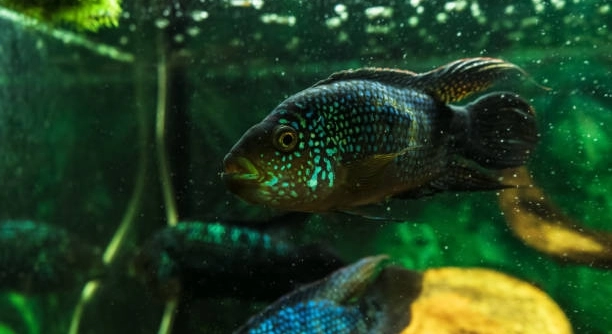
Are your Dempsey fish moving less or hiding in corners more than usual? Small changes in behavior or appearance can indicate stress. Observing these subtle differences helps you provide a healthier, more comfortable environment for your fish.
Dempsey fish show clear signs when uncomfortable, including faded coloration, clamped fins, erratic swimming, rapid gill movement, loss of appetite, increased hiding, and heightened aggression. Recognizing these behaviors early ensures proper care and supports long-term fish health.
Learning to spot these hidden clues can improve your fish’s well-being and create a more harmonious tank environment.
Faded Coloration
When a Dempsey fish begins to lose its vibrant color, it is often a sign of stress or discomfort. Healthy Dempseys display rich, bright hues that reflect good nutrition, proper water conditions, and minimal stress. Dull or faded coloring may indicate issues such as poor water quality, overcrowding, or illness. Stress can also result from sudden changes in temperature or aggressive tankmates, which affect a fish’s overall health. Maintaining consistent water parameters, offering a balanced diet, and ensuring enough space can help restore natural coloration. Observing your fish daily allows you to notice even subtle changes before they become severe.
Faded colors are more than cosmetic; they often indicate that the fish is struggling to cope with its environment.
Consistent monitoring and adjustments are essential. Providing a calm environment, keeping water clean, and reducing stressors help your Dempsey regain its natural color. Nutrition also plays a role—foods rich in carotenoids and proteins support pigment development. Regular observation combined with proper care can prevent long-term health problems and improve the overall well-being of your fish.
Clamped Fins
Clamped fins occur when a Dempsey holds its fins close to its body instead of spreading them naturally.
This behavior often signals discomfort, stress, or illness, and it can make the fish more vulnerable to infection.
Fins are crucial for swimming and balance, so clamping affects mobility and feeding efficiency. Causes may include poor water quality, sudden temperature shifts, or aggressive tankmates. Disease or parasites can also lead to fin clamping. Identifying the cause early allows timely intervention, whether it’s cleaning the tank, adjusting the environment, or isolating sick fish. Observing tank dynamics, checking water parameters, and maintaining a proper feeding schedule help prevent this behavior. Addressing clamped fins promptly ensures your Dempsey can regain normal movement and remain healthy. Long-term neglect can weaken the fish, making it more susceptible to illness and stress, so immediate attention is important to maintain a stable, comfortable habitat.
Erratic Swimming
Erratic swimming in Dempsey fish can show discomfort or stress. Sudden darting, spinning, or swimming in circles often points to environmental issues or health problems.
This behavior may result from poor water conditions, sudden temperature changes, or overly aggressive tankmates. Stress can also arise from overcrowding or improper tank setup. Parasites and illness are additional causes that affect swimming patterns. Observing when and how the fish moves helps identify the underlying issue. Adjusting water quality, checking temperature, and ensuring the tank is suitable for your Dempsey can reduce erratic behavior.
Long-term erratic swimming can lead to exhaustion and increase vulnerability to disease. Maintaining a calm environment with stable water parameters, balanced nutrition, and careful monitoring is essential. Isolating aggressive tankmates or providing hiding spots helps the fish feel secure. Consistent care allows your Dempsey to regain natural, smooth swimming patterns and prevents chronic stress-related issues that can affect overall health and lifespan.
Loss of Appetite
A Dempsey fish that refuses food is often experiencing stress or illness. Loss of appetite can appear suddenly or gradually over time.
This behavior can result from poor water quality, sudden environmental changes, or the presence of aggressive fish. Nutritional deficiencies or infections also contribute. Identifying the cause is crucial to prevent weight loss or weakened immunity. Observing tank conditions, water parameters, and fish interactions helps determine the source of the problem. Offering varied, high-quality foods can stimulate feeding, while isolating the fish may reduce stress from aggressive tankmates or overcrowding.
If left unaddressed, prolonged loss of appetite can lead to serious health issues. Consistently monitoring feeding habits, maintaining clean water, and adjusting the environment support recovery. Providing a calm, stable habitat, proper nutrition, and minimal disturbances allows your Dempsey to regain normal eating habits. Early attention ensures overall health and prevents complications, keeping your fish strong and active.
Hiding Behavior
Frequent hiding in a Dempsey fish is a clear sign of stress or discomfort. If your fish stays in corners, behind decorations, or under plants, it may be feeling unsafe or overwhelmed.
This behavior often results from aggressive tankmates, poor water conditions, or sudden changes in the environment. Providing hiding spots is normal, but excessive hiding indicates a problem that needs attention.
Rapid Gill Movement
Rapid gill movement shows that a Dempsey is struggling to breathe properly. This can be caused by low oxygen levels, high ammonia, or other water quality issues.
Regularly checking water parameters and ensuring proper filtration and aeration helps prevent breathing difficulties. A stressed fish with rapid gill movement needs immediate care.
Aggression
Aggression in Dempsey fish can escalate when they are uncomfortable or stressed. Territorial disputes, overcrowding, or poor environmental conditions often trigger hostile behavior. Maintaining adequate space, compatible tankmates, and hiding areas reduces tension and keeps your fish calmer and healthier.
Lethargy
Lethargy is a sign that a Dempsey fish is not feeling well. Reduced movement, minimal interaction, and prolonged resting at the bottom of the tank often indicate stress, illness, or poor water conditions. Immediate attention helps restore normal energy levels.
FAQ
How can I tell if my Dempsey fish is stressed?
Signs of stress in Dempsey fish include faded coloration, clamped fins, erratic swimming, hiding excessively, loss of appetite, rapid gill movement, and increased aggression. Monitoring these behaviors regularly helps identify stress early. Changes in water quality, overcrowding, or aggressive tankmates are often underlying causes.
What should I do if my Dempsey fish is hiding too much?
Excessive hiding usually indicates discomfort or fear. Check the tank for aggressive tankmates, sudden environmental changes, or inadequate hiding spots. Ensure water parameters are stable and provide enough space and decorations to reduce stress. Isolation may be necessary if other fish are causing aggression.
Why is my Dempsey’s color fading?
Faded coloration often signals stress, illness, or poor nutrition. Poor water quality, fluctuating temperatures, and high ammonia or nitrite levels can contribute. A balanced diet with high-quality foods rich in carotenoids helps restore natural colors. Regular observation and proper care can reverse dullness.
Can rapid gill movement harm my fish?
Rapid gill movement is a symptom of difficulty breathing. Low oxygen levels, high ammonia, or overcrowding can cause it. Ensuring proper filtration, aeration, and water quality can prevent prolonged stress. Addressing the issue promptly avoids long-term health problems.
How do I manage aggression in Dempsey fish?
Aggression often arises from stress, limited space, or territorial disputes. Provide enough space, separate overly aggressive fish, and maintain a balanced tank environment. Adding decorations and hiding spots can reduce tension and help fish coexist peacefully. Regular observation is key to preventing escalation.
What causes my Dempsey fish to lose appetite?
Loss of appetite can result from stress, illness, poor water quality, or aggressive tankmates. Nutritional deficiencies also contribute. Monitoring water parameters, maintaining a calm environment, and offering high-quality, varied food can encourage eating. Prolonged appetite loss should be addressed immediately to avoid health complications.
When should I worry about lethargy?
Lethargy is concerning when a fish becomes inactive for extended periods, stops exploring, or rests constantly at the tank bottom. Causes include illness, poor water quality, or stress. Correcting environmental factors, observing behavior, and providing proper nutrition help restore activity.
Can water changes improve my Dempsey’s behavior?
Regular water changes maintain optimal water quality and can reduce stress-related behaviors like clamped fins, hiding, or erratic swimming. Removing waste, maintaining stable temperature, and replenishing oxygen levels directly impact your fish’s comfort and health.
Is diet important for a Dempsey’s comfort?
Yes, diet plays a significant role in overall health and stress prevention. High-quality foods with proper nutrients enhance coloration, energy, and immune function. Offering variety and avoiding overfeeding ensures your fish remains active and comfortable in its environment.
How often should I monitor my Dempsey fish?
Daily observation is essential. Look for changes in swimming patterns, feeding habits, coloration, and interactions with other fish. Early detection of stress or illness allows timely intervention and prevents long-term health issues. Keeping a simple log of behavior can help track patterns.
Can tankmates affect a Dempsey’s comfort?
Yes, aggressive or incompatible tankmates can cause stress, hiding, or aggression in Dempsey fish. Ensuring compatible species, adequate space, and sufficient hiding spots reduces tension and promotes peaceful interactions. Observing interactions helps identify potential problems before they escalate.
What environmental factors cause discomfort?
Poor water quality, sudden temperature changes, inadequate tank size, overcrowding, and lack of hiding spots all contribute to stress. Regular maintenance, stable conditions, and proper tank setup are key to preventing discomfort and maintaining overall fish health.
How long does it take for a stressed Dempsey to recover?
Recovery time varies based on the cause and severity of stress. Minor issues like temporary overcrowding may resolve in days, while illness or prolonged poor water conditions may take weeks. Consistent care, proper diet, and stable conditions accelerate recovery.
Are there signs of long-term stress in Dempsey fish?
Long-term stress often manifests as dull coloration, chronic hiding, reduced appetite, irregular swimming, or ongoing aggression. Early intervention prevents serious health problems, and maintaining a stable environment helps your fish regain normal behavior.
Can improving tank setup reduce discomfort?
Yes, providing proper tank size, hiding spots, decorations, and compatible tankmates reduces stress. Stable water conditions, filtration, and regular maintenance further enhance comfort, allowing your Dempsey fish to display natural behavior and thrive.
Final Thoughts
Taking care of a Dempsey fish requires careful observation and consistent attention. These fish are sensitive to changes in their environment, and even small issues can cause stress or discomfort. Monitoring behavior, appearance, and interactions with other fish is essential. Signs such as faded coloration, clamped fins, erratic swimming, hiding, loss of appetite, rapid gill movement, and aggression should not be ignored. Each of these behaviors points to an underlying problem, whether it is related to water quality, tank setup, diet, or social dynamics. By recognizing these clues early, you can address the causes before they escalate into serious health issues. Maintaining a stable and comfortable environment is crucial for your Dempsey’s overall well-being.
Water quality plays a central role in your fish’s health and comfort. Regular water changes, proper filtration, and stable temperature levels are necessary to prevent stress. Overcrowding, sudden changes in conditions, or aggressive tankmates can easily disrupt the tank balance and trigger discomfort. Providing enough space, hiding spots, and compatible companions reduces tension and allows your Dempsey to thrive. Nutrition is also a key factor. A balanced diet with high-quality food supports growth, coloration, and energy levels. Offering variety and feeding in controlled amounts prevents overfeeding or nutritional deficiencies. Paying attention to these environmental and dietary factors ensures that your fish remains active, healthy, and comfortable in its home.
Consistency and patience are important when caring for Dempsey fish. Stress and discomfort do not always resolve immediately, and some issues require gradual adjustments. Observing behavior daily helps track changes and identify problems early. When interventions are needed, acting promptly can prevent long-term complications and improve your fish’s quality of life. Maintaining a calm and stable environment, addressing health concerns, and providing proper nutrition will keep your Dempsey happy and active. Understanding your fish’s needs and responding to its signals ensures a safe and healthy habitat where it can grow and display natural behavior. Regular care, attention to detail, and responsiveness to changes are the most effective ways to support the long-term well-being of your Dempsey fish, helping it live a full and healthy life.

Hello,
If you enjoy the content that we create, please consider saying a "Thank You!" by leaving a tip.
Every little bit helps us continue crafting quality advice that supports the health, happiness, and well-being of pets around the world, for pets of all shapes, sizes, and species.
We really appreciate the kindness and support that you show us!