
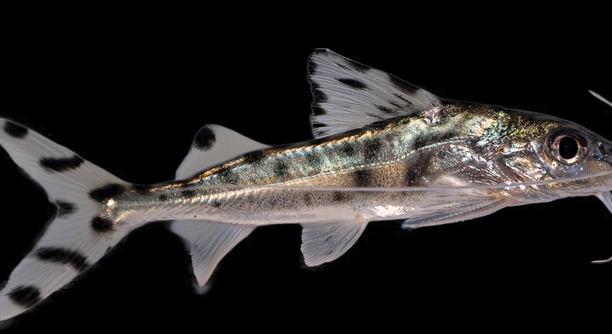
Pictus catfish are popular aquarium pets known for their active nature and distinctive spots. Many owners expect them to grow steadily, but sometimes growth is slower than anticipated. Understanding the reasons behind poor growth can improve their care and well-being.
Poor growth in pictus catfish can result from several hidden causes, including inadequate nutrition, poor water quality, stress, disease, overcrowding, improper tank conditions, and genetic factors. Addressing these issues is essential to promote healthy development and longevity.
Recognizing these factors early can help you provide a better environment for your catfish and avoid common pitfalls that stunt their growth.
Inadequate Nutrition
Pictus catfish need a balanced diet to grow well. Many owners feed them only flakes or pellets, but these might not provide all the necessary nutrients. They require a mix of protein and plant matter, which can come from live or frozen foods like bloodworms, brine shrimp, or vegetables. Without this variety, their growth can slow down. It’s important to offer food that suits their natural diet and to feed them the right amount. Overfeeding can also harm their health, causing water quality issues. Watching how much and what they eat helps maintain their growth and overall health.
Providing a varied diet with proper nutrients supports healthy growth and keeps your catfish energetic and vibrant.
Knowing what to feed your pictus catfish is key. It’s best to include a mix of live, frozen, and prepared foods. This variety ensures they get proteins and vitamins essential for their development. Feeding smaller amounts multiple times a day helps with digestion and prevents water contamination. Regularly changing their diet can also stimulate their appetite. Keeping an eye on their eating habits lets you adjust their food to meet their needs. When nutrition is right, you’ll likely see better growth and activity in your catfish.
Poor Water Quality
Water quality has a direct effect on the health and growth of pictus catfish. Poor water conditions stress the fish and can lead to illness or slowed development. Parameters such as ammonia, nitrite, nitrate levels, pH, and temperature should be regularly checked and maintained. Frequent water changes and good filtration are necessary to keep the tank clean. A tank with stable, clean water promotes a strong immune system and helps the catfish grow more effectively.
Keeping the water clean is essential for your catfish’s health and growth.
Maintaining proper water quality requires consistent monitoring and care. Ammonia and nitrite are toxic to fish and should always be at zero. Nitrate should be kept low through regular water changes, ideally 10-20% weekly. The pH level should stay between 6.5 and 7.5 for pictus catfish, with temperature around 75-80°F (24-27°C). Using a reliable filter suited for your tank size is vital to remove waste and keep the environment stable. Avoid sudden changes in water conditions, as these can cause stress and impact growth. Keeping the tank clean and stable creates the best environment for your catfish to thrive and grow healthily.
Stress and Overcrowding
Stress affects pictus catfish growth by weakening their immune system. Overcrowded tanks create competition for food and space, causing constant stress. This can slow growth or lead to illness.
Ensuring enough room in the tank reduces stress and encourages healthy growth. Pictus catfish need space to swim freely and hide when needed. When tanks are overcrowded, fish may become aggressive or shy, which affects feeding habits and growth rates. Providing proper hiding spots also helps reduce stress. Monitor the number of fish relative to tank size and separate any aggressive individuals. Stress management is key to keeping pictus catfish growing well and maintaining their overall health.
Proper tank size for pictus catfish is usually at least 30 gallons for a small group. More space improves water quality and reduces conflicts. Regularly check the tank’s population and consider upgrading or adding another tank if needed. Healthy social dynamics support better feeding and growth.
Disease and Parasites
Diseases and parasites can stunt the growth of pictus catfish by affecting their appetite and energy levels. Infections often go unnoticed until growth slows or other symptoms appear.
Common issues include fungal infections, bacterial diseases, and external parasites like ich or flukes. These conditions make it harder for the fish to eat and absorb nutrients. Poor water quality and stress increase vulnerability to diseases. Quarantining new fish and maintaining good tank hygiene help prevent outbreaks. Early treatment is important to stop growth problems and protect the entire tank. Watch for unusual behavior, spots, or discoloration, and act quickly to address any health concerns.
Improper Tank Conditions
Tank conditions like temperature, lighting, and substrate can affect pictus catfish growth. If these are not suitable, fish may become stressed or inactive.
Providing a natural environment with dim lighting, soft substrate, and proper temperature helps keep catfish comfortable and supports healthy growth.
Overfeeding and Underfeeding
Both overfeeding and underfeeding can slow the growth of pictus catfish. Overfeeding leads to poor water quality, while underfeeding results in nutrient deficiencies. Maintaining balanced feeding routines prevents these issues and promotes steady growth.
Genetic Factors
Some pictus catfish grow slower due to inherited traits. Genetics play a role in size and growth rate, so variations between individuals are normal.
Lack of Enrichment
A bare tank can stress catfish and slow growth. Adding plants, caves, and hiding spots encourages natural behavior and helps fish thrive.
FAQ
Why is my pictus catfish not growing despite good care?
Even with good care, hidden issues like stress, poor water quality, or subtle nutritional gaps can slow growth. Sometimes, mild illnesses or parasites go unnoticed, affecting appetite and development. Genetics also play a role—some fish naturally grow slower than others. It’s important to review tank conditions, feeding routines, and watch for any signs of stress or disease.
How often should I feed my pictus catfish for optimal growth?
Feeding small amounts two to three times a day works best. This prevents overfeeding and keeps the tank cleaner. Overfeeding causes water problems that harm growth. A varied diet including protein-rich foods like bloodworms or brine shrimp along with pellets helps meet nutritional needs and supports steady growth.
What tank size is best to avoid overcrowding?
A 30-gallon tank is the minimum for a small group of pictus catfish. More space reduces stress and competition, which promotes better growth. Overcrowded tanks lead to poor water quality and aggressive behavior, both harmful to fish development. If you have several fish, consider a larger tank or multiple tanks.
How do I know if water quality is affecting my catfish’s growth?
Look for cloudy water, unusual fish behavior, or slow growth as signs. Testing ammonia, nitrite, nitrate, pH, and temperature regularly is essential. Ammonia and nitrite should be zero, nitrate low, and pH stable. Poor water quality stresses fish, making them more prone to disease and slower growth.
Can stress alone stunt growth in pictus catfish?
Yes, stress weakens their immune system and lowers appetite, both slowing growth. Stress can come from overcrowding, poor water conditions, aggressive tank mates, or lack of hiding spots. Creating a calm environment with enough space and shelter helps reduce stress and supports healthy growth.
What are signs of disease or parasites that might affect growth?
Watch for changes in behavior like lethargy, loss of appetite, or hiding more than usual. Visible signs include white spots (ich), cloudy eyes, frayed fins, or unusual skin patches. Early detection and treatment improve recovery chances and help your catfish grow normally again.
How important is tank decoration for growth?
Decorations like plants and caves provide hiding places that reduce stress. A less stressed fish has a better appetite and grows faster. Bare tanks can cause boredom and anxiety, which may slow growth. Creating a natural habitat helps catfish feel secure and thrive.
Can genetics limit how large my pictus catfish will grow?
Yes, genetics influence maximum size and growth rate. Some individuals grow slower or stay smaller, even with ideal care. It’s important to focus on maintaining good conditions and health rather than expecting all fish to grow at the same pace.
What is the best diet for healthy growth in pictus catfish?
A varied diet is best. Use high-quality pellets or flakes as a base, supplemented with live or frozen foods like bloodworms, brine shrimp, or daphnia. Occasionally adding vegetables like blanched zucchini can provide extra nutrients. Variety ensures your catfish get the right balance for growth.
How can I prevent growth problems in my tank?
Keep the water clean with regular changes and proper filtration. Feed balanced meals in small portions multiple times a day. Avoid overcrowding and provide hiding spots to reduce stress. Monitor fish health closely and quarantine new arrivals to prevent disease. Consistent care is key to steady growth.
When caring for pictus catfish, understanding the factors that affect their growth is important. Many hidden issues can slow down their development, even if everything seems fine at first. Nutrition, water quality, stress, disease, and tank conditions all play roles in how well these fish grow. By paying attention to these details, you can help your catfish reach their full potential and live healthier lives. Good care means more than just feeding and cleaning; it includes creating a balanced environment that supports their needs.
Providing a varied diet that meets nutritional requirements is one of the simplest ways to encourage healthy growth. Pictus catfish need a mix of proteins and plant matter to thrive, so feeding only flakes or pellets is not enough. Offering live or frozen foods like bloodworms or brine shrimp adds necessary nutrients and keeps them interested in eating. At the same time, maintaining good water quality by regularly testing and performing water changes is essential. Poor water conditions cause stress and illness, both of which slow growth. Keeping the tank clean, with stable temperature and pH, helps your catfish stay strong and active.
Finally, it’s important to reduce stress and create a comfortable home for your catfish. Overcrowded tanks, aggressive tank mates, and lack of hiding spaces increase stress and affect growth. Providing enough room and natural decorations gives your fish places to hide and feel safe. Watching for signs of disease and acting quickly if something looks wrong will also protect their health. While genetics may influence growth limits, focusing on good care and a stable environment is the best way to support your pictus catfish’s development over time.

Hello,
If you enjoy the content that we create, please consider saying a "Thank You!" by leaving a tip.
Every little bit helps us continue crafting quality advice that supports the health, happiness, and well-being of pets around the world, for pets of all shapes, sizes, and species.
We really appreciate the kindness and support that you show us!