
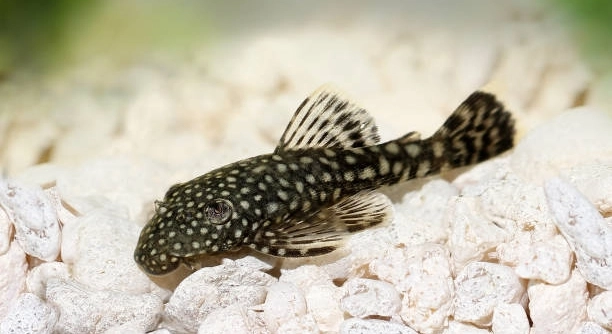
Have you ever walked past a plecostomus fish at the pet store and wondered if there’s more to them than algae-eating? These fish are often overlooked, but they bring several surprising benefits to aquariums.
Plecostomus fish offer more than just algae control; they contribute to tank cleanliness, reduce stress in tank mates, support biological balance, and provide fascinating behavior patterns that promote learning, interaction, and enjoyment for aquarium enthusiasts of all experience levels.
Understanding the lesser-known benefits of plecostomus fish can improve your aquarium’s health and provide a more engaging environment for your fish.
Helps Maintain a Cleaner Tank
Plecostomus fish are known for their cleaning abilities, especially when it comes to algae. They spend most of their time grazing along surfaces, eating algae buildup that can otherwise take over the tank. This helps reduce maintenance time and keeps decorations, glass, and plants looking neat. While they don’t replace regular cleaning, their constant grazing reduces how often you need to scrub algae manually. Their habits also help slow the spread of unwanted growth on tank surfaces. For tanks with good filtration and lighting, having a plecostomus can support a more visually balanced aquarium and lessen buildup between cleanings.
Their activity keeps glass and ornaments clearer longer, helping you see your fish better. This also contributes to a more stable and appealing environment.
Many types of plecos are peaceful and adapt well to community tanks. When given proper conditions, they contribute quietly but consistently to maintaining cleanliness without interfering with other fish in the tank.
Lowers Stress in Other Fish
Plecostomus fish are generally calm and avoid conflict with tank mates. Their low-energy presence can make the tank feel more stable, helping other fish stay relaxed and less territorial or skittish.
In community tanks, especially those with more active or sensitive fish, plecos provide an anchoring presence. Their slow movements and quiet nature help reduce tension, especially in fish that are easily startled. When fish aren’t constantly on alert, they show better color, eat regularly, and have more predictable routines. A peaceful tank can improve the long-term health of its inhabitants and prevent common stress-related issues like fin nipping, hiding, or weakened immune systems. The presence of a pleco can make fish feel more secure, especially when the tank is decorated with hiding spots and plants. While not the flashiest species, the pleco supports a balanced mood in the tank through its consistency and non-invasive habits, allowing other fish to thrive with fewer stress-related disruptions.
Supports a Balanced Ecosystem
Plecostomus fish contribute to a stable nitrogen cycle by consuming leftover food and organic waste. Their natural behavior helps reduce decaying matter, which can lower harmful ammonia levels and improve water quality over time.
A well-fed pleco will actively graze across the tank, consuming leftover bits of fish food, algae, and decaying plant matter. These actions reduce the amount of waste that builds up at the bottom of the tank. In doing so, the pleco helps maintain water quality between cleanings. A clean tank supports stronger biological filtration and promotes a more stable environment overall. This helps reduce common issues like sudden pH drops or harmful bacteria buildup. Plecos aren’t a complete substitute for water changes, but they do help minimize fluctuations in parameters that might otherwise harm delicate fish or plants.
In planted tanks, plecos can also prevent detritus from building up around roots, which supports better plant health. This ongoing support strengthens the tank’s ability to self-regulate, especially in lightly stocked aquariums. While their waste does add to the bioload, their contribution to controlling other sources of waste can balance out their impact. They are especially useful in medium to large tanks with established filtration and regular care routines that allow for slow, consistent growth and cleanliness.
Offers Fascinating Behaviors to Observe
Plecos are often active at night, and with the right setup, they can show interesting behaviors like surface grazing, burrowing, or hiding in caves. Watching them interact with their surroundings can be calming and enjoyable.
Many plecos prefer low light and enjoy hiding during the day. However, they often come out at night or during feeding times. Some species latch onto driftwood and rocks for hours, using their sucker mouths to scrape food or algae. Others may gently nudge tankmates but rarely engage aggressively. Plecos will often return to the same hiding spots or grazing areas, creating predictable routines that are interesting to follow. Over time, you’ll notice small habits that make each fish unique. Giving them space to explore and rest encourages natural behavior and can add life to tank areas that usually go unnoticed. They become part of the tank’s rhythm, moving calmly in contrast to more active species.
Encourages Natural Tank Behavior
Plecos support a calm atmosphere that allows shy or passive fish to come out more often. Their steady movement and peaceful nature reduce tank-wide tension, encouraging healthier interaction and feeding among more sensitive species.
Their grazing also helps stir up fine debris, making it easier for filters to collect. This light movement through the substrate and decorations mimics natural aquatic conditions, which many freshwater fish respond to positively over time.
Requires Minimal Attention
Plecos are low-maintenance when their needs are met early on. A proper diet, stable temperature, and good hiding spots keep them satisfied. Once settled, they become one of the least demanding fish in the tank. Most species thrive without daily attention and adjust well to weekly routines. Feeding is simple and doesn’t require special schedules if supplemented with algae wafers or vegetables. They rarely fall ill when water is kept clean. Because they avoid conflict and don’t chase other fish, they blend in well without disrupting the group dynamic. This makes them a quiet but reliable presence in most freshwater setups.
Adapts to a Range of Setups
Plecos can live comfortably in many freshwater tanks when given proper space. Their flexibility makes them a practical choice for hobbyists with different tank styles and levels of experience.
FAQ
What do plecostomus fish eat besides algae?
Plecostomus fish enjoy algae, but their diet needs to include more than that to stay healthy. Many plecos eat sinking algae wafers, blanched vegetables like zucchini or cucumber, and protein-based foods like shrimp pellets or bloodworms. Some species even require driftwood to help with digestion. Without variety, they may become weak or lose interest in cleaning the tank. A balanced diet ensures they stay active and continue their helpful grazing. Feeding at night often works best since plecos are more active in low light.
How big do plecostomus fish get?
Size depends on the species. Common plecos can grow over a foot long, often reaching 15 inches in home aquariums. Bristlenose plecos, on the other hand, stay much smaller, usually topping out at around 5 inches. If you’re choosing a pleco, it’s important to know its adult size to avoid overcrowding. A tank that feels comfortable for a young pleco might quickly become too small. Larger plecos need tanks that are 75 gallons or more to stay healthy long-term.
Do plecos need other fish to stay happy?
Plecostomus fish do not need other fish to thrive. They are peaceful but independent and don’t form social bonds with tank mates. As long as the tank has enough space, food, and hiding areas, a pleco can live comfortably on its own. In community tanks, they usually get along well, but they may become territorial toward other bottom dwellers if space is limited. Watching their behavior and adjusting tank size or layout can help prevent stress or small disputes.
How long do plecostomus fish live?
With the right care, plecostomus fish can live for over 10 years. Some species, like the common pleco, can live up to 15 years in well-maintained aquariums. Their lifespan depends on factors like water quality, diet, tank size, and overall stress levels. Regular water changes and a varied diet are essential. Avoid sudden temperature shifts and make sure they have places to hide. These habits help plecos stay calm and reduce health risks over time.
Can plecostomus fish live in cold water?
Most plecos are tropical fish and need warm water to stay healthy. Ideal temperatures range from 72°F to 82°F. Keeping plecos in water below this range can weaken their immune systems and lead to illness. If your home stays cool, consider using a heater to keep the temperature consistent. A steady, warm environment will support their digestion, energy levels, and natural behavior. Some rare species may tolerate cooler water, but most plecos are not suited for unheated tanks.
Do plecos clean the tank by eating waste?
Plecostomus fish do not eat fish waste. They help keep the tank clean by eating algae, leftover food, and decaying plant matter, but waste still needs to be removed during regular maintenance. Relying on a pleco to replace water changes or filter cleaning isn’t safe for the fish or the tank. They help slow the buildup of certain messes, but not all. Using them as part of an overall care plan is the best approach.
Is it normal for plecos to hide a lot?
Yes, it’s completely normal. Plecos are nocturnal and prefer staying in hiding spots during the day. Caves, driftwood, and shaded corners make them feel secure. They come out more often at night or when it’s quiet. Over time, they may become more active during feeding hours or explore during low lighting. If your pleco is hiding but eating and appears healthy, there’s usually nothing to worry about. Providing enough shelters encourages natural and healthy behavior.
Can plecos live with shrimp or snails?
In many cases, yes. Most plecos won’t bother shrimp or snails if there is enough food and space. However, plecos are large and strong, and they may accidentally bump or disturb smaller creatures while moving around. Feeding your pleco well and providing plenty of hiding places for the shrimp or snails can help reduce conflict. If the pleco is kept in a crowded or underfed environment, it may try to nibble on slower tank mates, especially at night.
How often should plecos be fed?
Feeding plecos once a day is usually enough, especially if there’s algae in the tank. Offering food in the evening or at night fits their natural habits. Use algae wafers, vegetables, or sinking pellets depending on their dietary needs. Remove uneaten food after a few hours to avoid water quality issues. Some plecos, especially younger or more active ones, may need a little extra, but watch for overfeeding. A consistent feeding routine helps keep your pleco healthy without clouding the tank.
Final Thoughts
Plecostomus fish do more than just clean the tank. Their presence can benefit the overall health of the aquarium. They help reduce algae, improve water clarity, and bring balance to the tank’s ecosystem. While many people know them for their cleaning abilities, these fish also offer less obvious benefits, like reducing stress in other fish and adding interest with their unique appearance. With proper care, they can live for many years and remain active members of a community tank. Their quiet nature and low-maintenance personality make them a good choice for both beginners and experienced aquarists.
Choosing the right pleco depends on your tank size and setup. Some species grow very large and need more space than others. It’s important to research the type of plecostomus you plan to bring home. A healthy diet and clean water are also key to their well-being. They don’t eat fish waste, so regular tank maintenance is still needed. While they are peaceful, they may not enjoy being crowded, especially by other bottom dwellers. Providing enough room, food, and hiding spots will help them stay calm and active. Watching their behavior and responding to any signs of stress or illness is part of responsible fishkeeping.
Having a plecostomus fish is not only about keeping your aquarium clean. It’s about supporting a living creature that contributes to your tank’s natural balance. Their hidden benefits may not always be obvious, but they play an important role over time. They can help prevent algae from spreading, promote calmer tank behavior, and encourage a healthier underwater environment. Giving them what they need, from space to proper food, will help them thrive and allow you to enjoy their full potential. With patience and care, they can become a stable and helpful part of your aquarium for years.

Hello,
If you enjoy the content that we create, please consider saying a "Thank You!" by leaving a tip.
Every little bit helps us continue crafting quality advice that supports the health, happiness, and well-being of pets around the world, for pets of all shapes, sizes, and species.
We really appreciate the kindness and support that you show us!