
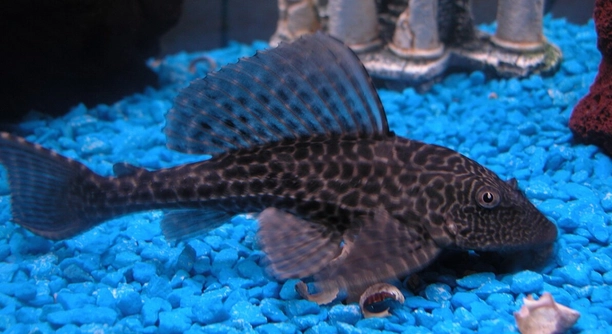
Plecostomus, also known as plecos, are popular freshwater fish that are often kept in home aquariums. While these fish are relatively hardy, they can still experience health issues that may affect their well-being.
Plecostomus are prone to several health problems, including skin infections, parasites, poor water quality, and improper diet. These issues can lead to stress, weakened immune systems, and even death if not addressed promptly.
Taking proper care of your pleco’s environment and diet can help prevent these common health issues. Learning about these challenges will help you ensure a healthier and happier life for your aquarium companion.
Skin Infections and Fungal Diseases
Skin infections are a common issue with plecostomus, often caused by bacteria, fungi, or parasites. These infections can show up as white patches, lesions, or sores on the skin. Poor water conditions, such as low oxygen levels or high ammonia, are common factors in the development of skin issues. If left untreated, these infections can spread quickly and weaken your fish’s immune system. Proper water filtration, regular tank cleaning, and quick action at the first signs of infection are essential in preventing the spread of disease.
If you notice your pleco scratching against objects or hiding more than usual, skin infections might be the cause.
These infections can be treated with special medications designed for fish. It’s important to remove the infected fish from the tank to prevent further contamination. Keeping the tank environment clean and checking water parameters regularly helps reduce the risk of infections. Monitoring your pleco’s behavior and appearance will help you catch potential issues early.
Poor Water Quality and Stress
Water quality plays a major role in plecostomus health. When the water becomes polluted with waste, excess nutrients, or harmful chemicals, it puts stress on your fish, leading to a weakened immune system and health problems. Plecos are especially sensitive to poor water conditions, which can result in poor growth, skin issues, or even death.
Regularly test the water for ammonia, nitrites, and nitrates to make sure levels are within safe ranges. Additionally, change the water frequently and use a high-quality filter to keep the tank clean and healthy for your pleco.
To avoid stress and related health issues, ensure your tank has proper filtration and consistent water changes. Keep a watch on water temperature, pH levels, and other important factors to make sure your pleco stays healthy. A good environment is the foundation for preventing health problems in your fish.
Internal Parasites
Internal parasites are a common problem in plecostomus. These parasites can affect the digestive system and lead to poor growth, loss of appetite, and even death. Parasites often come from contaminated food or water, so it’s essential to monitor what your pleco consumes and the quality of the environment.
Parasites like worms or protozoa can damage the digestive tract and make it difficult for your pleco to absorb nutrients. You’ll often notice changes in their behavior, like lethargy or reduced appetite. Treatment options include anti-parasitic medications available at pet stores, but it’s essential to follow the correct dosage.
To reduce the risk of parasites, it’s important to quarantine new fish before adding them to your tank. Ensure that your pleco’s diet consists of quality, parasite-free foods. Clean the tank regularly and avoid overfeeding, as uneaten food can provide a breeding ground for harmful organisms.
Poor Diet and Malnutrition
A poor diet can quickly lead to malnutrition in plecostomus, which affects their overall health and lifespan. Plecos require a balanced diet consisting of vegetables, algae, and occasional protein sources. Without proper nutrition, they may become weak or more susceptible to diseases.
It’s important to provide a variety of food, including sinking pellets, algae wafers, and fresh vegetables like zucchini or spinach. A lack of these essentials can lead to issues such as stunted growth or weak immune systems, making it easier for other problems to arise.
If your pleco is not getting the right nutrients, you may notice signs like reduced energy or a decrease in the appearance of their skin. Regularly check for signs of malnutrition and adjust their diet accordingly. A healthy, balanced diet is crucial for your pleco’s well-being and can prevent numerous health issues.
Swim Bladder Disorder
Swim bladder disorder can affect plecostomus, causing them to have difficulty swimming properly. This issue often results in the fish floating upside down or sinking to the bottom of the tank. It’s commonly caused by overfeeding, poor water quality, or physical injury.
In some cases, swim bladder disorder can be temporary and fix itself if the pleco’s diet and water conditions improve. However, in more severe cases, medical treatment may be necessary, such as antibiotics or adjusting water temperature. Ensuring your pleco’s diet is appropriate and not overfeeding can help prevent this condition.
To prevent swim bladder disorder, keep your tank’s water quality high and avoid overfeeding. Maintain proper filtration and provide a balanced, healthy diet. Monitoring your pleco’s behavior will help detect any changes early.
Overcrowding in the Tank
Overcrowding is another issue that can negatively affect plecostomus health. When too many fish are in a tank, it leads to poor water quality and increased stress levels for all the fish. This stress weakens the immune system and leads to diseases.
A crowded tank also means there’s more waste, which can cause ammonia buildup and lead to poor water conditions. It’s important to ensure your tank is appropriately sized for the number of fish you keep. Keeping the right number of fish is key to maintaining a healthy environment.
To prevent overcrowding, follow the recommended stocking guidelines for your tank size. Make sure there’s enough space for your pleco to move around and find hiding spots. A spacious tank promotes a healthier and happier pleco.
Physical Injuries
Plecostomus can suffer from physical injuries, often caused by sharp objects in the tank or fighting with other fish. These injuries can result in cuts, bruises, or torn fins. If not treated, injuries can lead to infections.
It’s essential to check the tank for any sharp objects or decorations that could harm your pleco. Also, if you have multiple fish in the tank, ensure that they are compatible with each other to avoid fighting. Regularly inspect your pleco for any signs of injury, such as unusual markings or behavior.
Addressing injuries quickly and keeping the tank environment safe can help your pleco recover faster and prevent further harm.
FAQ
What are the signs of a sick plecostomus?
A sick plecostomus may show several signs including lethargy, loss of appetite, difficulty swimming, or visible changes on the skin, such as lesions or white spots. Other symptoms may include abnormal behavior, such as hiding excessively, or rubbing against objects. Changes in eating habits and the presence of excess waste in the tank are also indicators that something may be wrong. Keeping an eye on these signs helps in early detection, allowing for quicker treatment.
How can I prevent parasites in my plecostomus tank?
To prevent parasites, ensure that any new fish are quarantined before adding them to the main tank. This helps avoid introducing unwanted pests. Maintain good water quality by regularly changing the water and testing it for harmful chemicals. Also, avoid overfeeding, as uneaten food can contribute to parasite growth. Keeping the tank clean and providing a balanced diet can also strengthen your pleco’s immune system, making it less likely to contract parasites.
What can I do if my pleco is upside down or floating sideways?
If your plecostomus is swimming upside down or sideways, it may have a swim bladder disorder. This condition is often caused by poor water quality, overfeeding, or stress. To help your pleco recover, improve the water conditions and reduce feeding. You can try feeding your pleco boiled peas, as they can help with digestion. If the condition persists, consider consulting a vet or using specialized fish medications to treat the swim bladder issue.
Is it normal for plecos to hide all the time?
Yes, plecostomus are naturally shy fish and may spend a lot of time hiding in caves or behind decorations in the tank. This is especially true during the daytime when they prefer to rest in dark spots. However, if your pleco is hiding more than usual and showing signs of illness like lethargy or reduced appetite, it may be worth investigating further. If the hiding behavior is not accompanied by any other concerning symptoms, it is likely just their natural behavior.
How often should I clean my plecostomus tank?
It’s important to clean your pleco’s tank regularly to maintain a healthy environment. Perform partial water changes of 25-30% every one to two weeks, depending on the tank size and the number of fish. Also, clean the filter regularly, as plecos are messy eaters and produce a lot of waste. Be sure to scrub algae off surfaces and vacuum the gravel to remove any uneaten food or debris. Keeping the tank clean helps prevent diseases and keeps the water quality optimal for your pleco.
What type of food should I feed my plecostomus?
Plecostomus are herbivores, but they also need some protein in their diet. A good diet for a pleco includes algae wafers, sinking pellets, and fresh vegetables like zucchini, cucumber, or spinach. You can also offer occasional protein sources like bloodworms or brine shrimp. Make sure to provide a balanced diet that mimics their natural feeding habits to avoid malnutrition or obesity. Avoid overfeeding, as plecos can easily become overweight, which could lead to swim bladder issues or other health concerns.
Can I keep multiple plecos in the same tank?
While it is possible to keep multiple plecostomus in the same tank, it depends on the species and tank size. Some plecos are territorial, so it’s important to ensure that the tank is large enough to give each fish its own space. You may also need to provide hiding spots and plenty of decorations to reduce territorial disputes. Generally, plecos are better off in single-species tanks or with non-aggressive fish. Be sure to monitor them for any signs of fighting, such as fin damage or excessive chasing.
What should I do if my pleco has cloudy eyes?
Cloudy eyes in plecostomus can be a sign of poor water quality, injury, or infection. If you notice cloudy eyes, check the water parameters immediately, focusing on ammonia, nitrites, and nitrates. Perform a water change if needed and improve the filtration system. If the water quality is fine, the cloudy eyes could be caused by an injury or an infection, in which case you may need to use a medicated treatment to help your pleco recover.
How do I treat skin infections in plecostomus?
If your plecostomus shows signs of a skin infection, such as lesions or white spots, it’s crucial to isolate the affected fish to prevent the spread of infection. Medications for fish skin infections are available at pet stores and can be added to the water to help treat the condition. Improving water quality, maintaining proper tank hygiene, and ensuring your pleco has a healthy diet are also key to speeding up recovery and preventing future infections.
Why is my pleco not eating?
Loss of appetite in a plecostomus can be caused by several factors, including poor water quality, stress, or illness. First, check the water parameters to ensure everything is within the safe range. If the water quality is good and the pleco still refuses to eat, consider the possibility of an infection or internal parasite. Stress, whether from overcrowding or incompatible tankmates, can also affect their eating habits. If the issue persists, consult a vet who specializes in fish.
Final Thoughts
Plecostomus are generally hardy fish, but like all pets, they require proper care to stay healthy. By maintaining good water quality, providing a balanced diet, and monitoring their behavior, you can help ensure that your pleco lives a long and happy life. Regular water changes, proper filtration, and avoiding overfeeding are some of the most important aspects of pleco care. These steps will help prevent many common health problems, allowing your plecostomus to thrive in a clean and stress-free environment.
Understanding the most common health issues plecostomus face, such as skin infections, swim bladder disorders, and parasites, will help you take the right steps to prevent or treat these problems quickly. Early detection is key, so always keep an eye on your pleco’s behavior and physical condition. If you notice anything unusual, such as changes in swimming patterns or signs of illness, act promptly. Treating problems early can save your pleco from serious health issues and improve its chances of recovery.
By staying proactive and educating yourself on how to care for your plecostomus, you’ll create an environment where they can thrive. Plecos are low-maintenance compared to other fish, but they still need attention and care. Providing them with a suitable habitat, good water conditions, and proper nutrition is the foundation of keeping your pleco healthy. With the right care, your plecostomus will not only survive but flourish in its tank, bringing beauty and activity to your aquarium.

Hello,
If you enjoy the content that we create, please consider saying a "Thank You!" by leaving a tip.
Every little bit helps us continue crafting quality advice that supports the health, happiness, and well-being of pets around the world, for pets of all shapes, sizes, and species.
We really appreciate the kindness and support that you show us!