
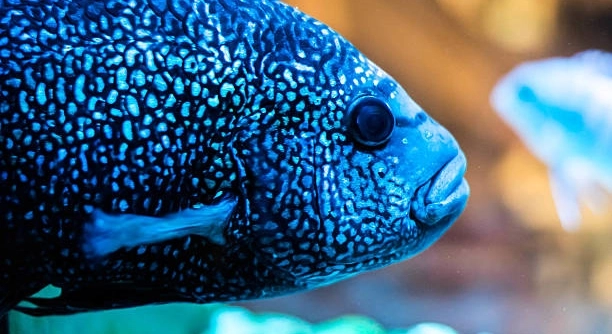
Jack Dempsey fish are popular for their vibrant colors and lively personalities, making them a favorite among freshwater aquarium enthusiasts. Keeping them healthy requires attention, as they can be prone to several common ailments that may affect their well-being.
Jack Dempsey fish are susceptible to health issues such as ich, hole-in-the-head disease, fin rot, fungal infections, parasitic infestations, swim bladder disorder, and internal bacterial infections. Proper water conditions, balanced nutrition, and timely medical interventions are essential to prevent and manage these problems effectively.
Knowing these risks and how to address them can help ensure your Jack Dempsey thrives and remains a vibrant, active member of your aquarium.
Ich (White Spot Disease)
Ich is a common parasitic infection that affects Jack Dempsey fish. It appears as tiny white spots on their body, fins, and gills. Stress, poor water quality, and sudden temperature changes increase the risk. Infected fish may scratch against surfaces, breathe rapidly, or lose appetite. If untreated, ich can quickly spread and become fatal. Maintaining clean water, stable temperatures, and quarantining new fish are essential preventive steps. Treatments often include raising the tank temperature slightly and using over-the-counter anti-parasitic medications. Observing behavior and spotting symptoms early can make treatment more effective. Regular monitoring ensures the fish remain healthy and reduces the chance of recurring infections.
Ich infections often respond well to timely treatment, and prevention through proper tank care is the most reliable method.
Keeping your Jack Dempsey’s tank clean and stress-free is crucial. Regular water changes, careful introduction of new fish, and maintaining proper temperature reduce infection chances. Nutrition also plays a role in strengthening the immune system. Combining these measures ensures ich does not compromise your fish’s health and longevity.
Hole-in-the-Head Disease
Hole-in-the-head disease causes small pits or lesions on the fish’s head and along the lateral line.
Poor diet, stress, and poor water conditions are major factors contributing to this disease. Low-quality food lacking essential vitamins, especially vitamin C and minerals, can weaken their defenses. Stressful environments, including overcrowding or aggressive tank mates, also increase vulnerability. Water with high nitrate or poor filtration can damage skin and trigger lesions. Early signs include small pits that can grow larger over time, sometimes accompanied by lethargy or reduced appetite. Treatment involves improving diet with vitamin-rich foods, maintaining clean water, and reducing stressors in the tank. In severe cases, medicated foods or aquarium treatments may be required to prevent secondary infections. Preventing the disease requires consistent tank maintenance and a well-balanced diet to support the fish’s overall health, helping them recover and stay strong.
Fin Rot
Fin rot appears as frayed, discolored, or shortening fins, usually caused by bacterial infections and poor water quality. Stress and minor injuries can make Jack Dempsey fish more susceptible. Prompt treatment is essential to prevent further tissue loss and secondary infections.
Maintaining clean water is the most effective way to prevent fin rot. Regular water changes, proper filtration, and avoiding overcrowding reduce bacterial buildup. If fin rot occurs, isolating the affected fish in a quarantine tank allows focused treatment with antibacterial medications. Adding aquarium salt or specialized fin rot treatments can help speed recovery. Observing feeding habits and behavior also indicates whether the fish is improving or if further intervention is needed.
Balanced nutrition supports fin regeneration and overall immunity. Providing high-quality food and occasional vitamin supplements strengthens the fish’s defenses. Minimizing stress from aggressive tank mates or sudden environmental changes ensures faster healing. Combined with proper water management, these measures can restore fins and keep Jack Dempsey healthy.
Fungal Infections
Fungal infections usually present as cotton-like growths on the skin, fins, or gills, often following injuries or other illnesses.
These infections thrive in poor water conditions, where bacteria or parasites have already weakened the fish. Clean water, isolation of infected fish, and antifungal treatments are necessary for recovery. Quarantining new fish prevents spreading spores.
Treatment involves removing affected fish to a separate tank, maintaining clean water, and using antifungal medications as directed. Damaged areas heal faster when stress is minimized and water parameters remain stable. Providing a nutrient-rich diet supports immune response and tissue regeneration. Consistent observation ensures the infection is resolving, and any secondary infections can be addressed quickly. Keeping the main tank well-maintained prevents recurring fungal issues.
Parasitic Infestations
Parasitic infestations can cause rapid weight loss, scratching against surfaces, and labored breathing in Jack Dempsey fish. External parasites like flukes or lice attach to the skin and gills, while internal parasites affect digestion and overall health.
Treatment requires isolating the infected fish and using anti-parasitic medications. Maintaining clean water and monitoring tank conditions reduce the risk of recurring infestations.
Swim Bladder Disorder
Swim bladder disorder affects a fish’s ability to maintain balance and proper swimming. Causes include overfeeding, constipation, infections, or physical injury. Symptoms may include floating at the surface, sinking to the bottom, or swimming sideways. Adjusting feeding habits and treating underlying causes helps restore normal buoyancy.
Internal Bacterial Infections
Internal bacterial infections can lead to lethargy, bloating, and loss of appetite. These infections often develop due to stress, poor water quality, or weakened immunity. Early diagnosis and appropriate antibiotics are essential to prevent fatal outcomes. Regular tank maintenance and a balanced diet reduce the likelihood of bacterial outbreaks.
FAQ
What are the first signs of health issues in Jack Dempsey fish?
The earliest signs often include changes in behavior, appetite, or appearance. Fish may become less active, hide more, or stop eating. Physical indicators include frayed fins, white spots, lesions on the head, unusual swimming patterns, or bloating. Observing your fish daily helps catch problems early.
How can I prevent ich in my tank?
Maintaining stable water temperature and high water quality is essential. Quarantine new fish before introducing them to the main tank. Avoid sudden temperature changes and overcrowding, as stress increases susceptibility. Regular observation and immediate treatment of early symptoms reduce the chances of an outbreak.
What causes hole-in-the-head disease?
Poor nutrition, especially a lack of essential vitamins and minerals, contributes to this disease. Stressful tank conditions and high nitrate levels in water also weaken defenses. Lesions appear as pits on the head and along the lateral line. Balanced feeding and proper water maintenance are necessary for prevention.
How is fin rot treated?
Treatment involves isolating affected fish, improving water quality, and applying antibacterial medications. Using aquarium salt can help inhibit bacterial growth. Regular monitoring ensures the infection does not worsen. Ensuring a stress-free environment and proper nutrition supports fin regeneration.
What triggers fungal infections in Jack Dempsey fish?
Fungal infections often occur after injuries or other illnesses weaken the fish. Poor water quality and high stress levels allow fungal spores to grow. Isolating infected fish and using antifungal treatments are required for recovery. Maintaining clean water and a healthy diet prevents recurrence.
How do I know if my fish has parasites?
Symptoms of parasitic infestations include scratching against objects, rapid breathing, weight loss, and lethargy. External parasites may be visible on the skin or gills, while internal parasites cause digestive problems. Prompt treatment with anti-parasitic medication helps restore health. Clean water and quarantine measures prevent spread.
What causes swim bladder disorder?
Swim bladder issues result from overfeeding, constipation, infections, or physical injury. Affected fish may float at the surface, sink to the bottom, or swim sideways. Adjusting feeding habits, maintaining water quality, and treating infections or injuries helps restore normal buoyancy.
How can I prevent bacterial infections?
Bacterial infections often develop due to poor water conditions, stress, or weakened immunity. Maintaining clean, well-filtered water, avoiding overcrowding, and providing a nutrient-rich diet reduces risk. Early detection and treatment with antibiotics are crucial to prevent serious illness or death.
Can stress cause multiple health problems in Jack Dempsey fish?
Yes, stress increases susceptibility to ich, fin rot, fungal infections, and bacterial or parasitic infestations. Stress can come from overcrowding, aggressive tank mates, poor water quality, or sudden environmental changes. Reducing stress is key to overall health and disease prevention.
Are there natural ways to support a fish’s immune system?
Providing a varied diet with high-quality protein, vitamins, and minerals strengthens immunity. Occasional live or frozen foods can improve health. Maintaining stable water parameters and reducing stress also help the immune system function effectively, making fish less vulnerable to infections.
How often should I check water quality for Jack Dempsey fish?
Regular monitoring is essential. Test water at least once a week for ammonia, nitrites, nitrates, and pH levels. Consistent water changes and maintaining filtration ensure a safe environment, preventing most common health problems before they arise.
Is quarantine necessary for new fish?
Quarantining new fish for at least two weeks prevents introducing diseases into the main tank. This practice helps detect parasites, bacterial infections, or fungal issues early, protecting the existing fish population and reducing the risk of outbreaks.
What signs indicate that a fish is recovering from illness?
Recovery signs include improved appetite, increased activity, normal swimming patterns, and healthy fins or skin. White spots, lesions, or bloating should gradually disappear. Consistent observation ensures the fish continues to improve and helps identify if further intervention is needed.
How can diet influence disease prevention?
A balanced diet with essential vitamins, minerals, and proteins strengthens the immune system and supports tissue repair. Poor nutrition can trigger hole-in-the-head disease, weaken defenses against infections, and slow recovery from injuries. High-quality, varied food is critical for long-term health.
When should I consult a professional for my Jack Dempsey fish?
If symptoms persist despite proper tank care and treatment, consulting a veterinarian specializing in fish is recommended. Severe infections, unusual swelling, or sudden behavioral changes require professional guidance to ensure accurate diagnosis and effective treatment.
Can water temperature affect multiple health issues?
Yes, temperature fluctuations can stress Jack Dempsey fish, making them more prone to ich, fungal infections, and general weakened immunity. Maintaining a stable, suitable temperature is essential to prevent stress-related illnesses and promote recovery.
What role does tank size play in fish health?
Adequate tank size reduces stress, aggression, and overcrowding, which can lead to illness. Jack Dempsey fish need space to swim and establish territories. Larger tanks also help maintain stable water quality, reducing the risk of bacterial and parasitic outbreaks.
How long does treatment usually take for common illnesses?
Treatment duration depends on the illness and severity. Ich may clear in 7–10 days with proper care, while fin rot or bacterial infections can take 2–3 weeks. Consistent monitoring and maintaining water quality are critical for full recovery.
Are secondary infections common in sick Jack Dempsey fish?
Yes, once a fish is weakened by one condition, bacterial or fungal infections often follow. Early detection and isolation of the affected fish help prevent secondary infections and ensure quicker recovery.
Is preventive care more effective than treatment?
Absolutely. Maintaining clean water, a balanced diet, stable temperatures, and minimal stress reduces the risk of almost all common health issues. Preventive measures save time, effort, and increase the longevity and well-being of Jack Dempsey fish.
Jack Dempsey fish are beautiful and resilient, but like any living creature, they are prone to health issues if their environment is not properly maintained. Paying attention to water quality, tank size, and the overall condition of your fish is essential. Common problems like ich, fin rot, fungal infections, and parasitic infestations are often preventable with consistent care. Small changes in behavior, appetite, or appearance can be early indicators of trouble, and noticing them early allows for more effective intervention. A well-kept tank not only helps prevent disease but also encourages your fish to thrive and display their natural colors and behavior. Understanding the basic needs of Jack Dempsey fish, such as proper diet, adequate space, and stress reduction, creates a strong foundation for long-term health.
Balanced nutrition plays a major role in keeping Jack Dempsey fish healthy. Feeding a high-quality diet with essential vitamins and minerals strengthens the immune system and supports tissue repair. A varied diet that includes protein-rich foods, occasional live or frozen options, and vitamin supplements can prevent illnesses like hole-in-the-head disease and promote recovery from minor injuries or infections. Overfeeding or offering low-quality food can weaken the fish’s defenses, making them more vulnerable to disease. Providing food in controlled amounts, monitoring their appetite, and adjusting feeding routines to match the fish’s needs helps maintain a healthy digestive system. Combined with proper tank conditions, good nutrition reduces the likelihood of most common health issues and supports overall vitality.
Preventive care and regular observation are key components of responsible fishkeeping. Maintaining stable water temperature, avoiding overcrowding, quarantining new fish, and monitoring for early signs of illness help reduce the risk of serious outbreaks. Isolating sick fish and treating them promptly with appropriate medications can prevent disease from spreading to the rest of the tank. Over time, consistent care and attention build a stable environment where Jack Dempsey fish can live long, healthy lives. Investing effort into prevention is more effective than trying to manage advanced illnesses. By understanding their specific needs, keeping a clean and stable tank, and offering balanced nutrition, it is possible to minimize common health issues and ensure that these fish remain active, vibrant, and strong for many years.

Hello,
If you enjoy the content that we create, please consider saying a "Thank You!" by leaving a tip.
Every little bit helps us continue crafting quality advice that supports the health, happiness, and well-being of pets around the world, for pets of all shapes, sizes, and species.
We really appreciate the kindness and support that you show us!