
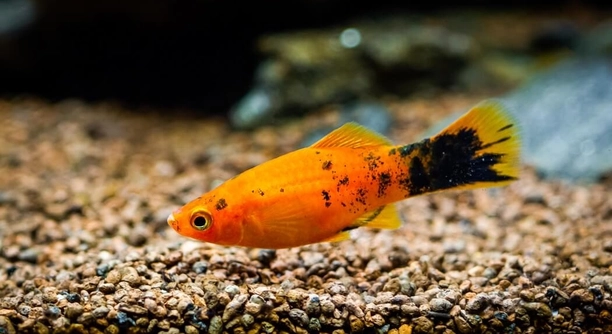
Lazy behavior in platies can affect their health and interaction in the aquarium. Recognizing habits that contribute to inactivity helps in promoting a more active and healthy environment for these fish. Small changes can improve their daily routine.
Several common habits contribute to lazy platy behavior, including overfeeding, lack of stimulation, poor water quality, insufficient tank space, inconsistent lighting, inadequate diet, and stress from tank mates. These factors reduce activity and overall well-being in platies.
Identifying these habits is the first step to creating a better habitat for your platies and encouraging healthier behavior in your aquarium.
Overfeeding and Its Impact on Activity
Overfeeding is a common cause of lazy behavior in platies. When these fish receive more food than they need, they tend to become less active. Excess food often leads to obesity, which slows them down and reduces their desire to swim. Overfeeding also affects water quality because uneaten food decomposes and releases harmful substances. This poor water condition can stress the fish, making them lethargic. To keep platies active, it is important to feed them small amounts that they can finish within a few minutes. Feeding once or twice a day is usually enough. Providing a balanced diet with the right nutrients supports their energy levels. Watching how much your platies eat and adjusting the amount as needed will promote better health and liveliness in the tank.
Overfeeding not only reduces activity but can also shorten platies’ lifespan. Proper feeding habits are essential.
Keeping feeding under control improves both water quality and fish behavior. This simple change can make a big difference in your platies’ daily energy and overall well-being.
Lack of Stimulation and Tank Environment
Platies need a stimulating environment to stay active. A bare or small tank limits their movement and interest. Without plants, decorations, or hiding spots, platies may become bored and swim less. Providing a well-decorated tank with places to explore encourages natural behavior and exercise. It also reduces stress, which is another factor in laziness. The tank should be large enough for the fish to swim freely, ideally at least 10 gallons for a small group. Including live or artificial plants and gentle water flow helps keep platies engaged. Changing decorations occasionally can also renew their interest and encourage more activity. Ensuring a proper environment benefits not just activity but overall health, leading to happier and livelier platies.
Poor Water Quality
Poor water quality directly affects platies’ energy levels. High ammonia, nitrite, or nitrate levels cause stress and make fish lethargic. Regular water testing and changes are essential to maintain healthy conditions. Keeping water clean supports active and healthy platies.
Maintaining stable water parameters is crucial. Ammonia and nitrites should always be at zero, while nitrates should remain low. Uneaten food and waste contribute to poor water quality, so cleaning the tank and filtering water properly helps. Frequent partial water changes keep toxins down and oxygen levels up, which improves fish vitality. Good filtration combined with regular maintenance prevents harmful buildup, encouraging natural swimming behavior.
Temperature and pH also play roles in water quality. Platies thrive in temperatures between 72°F and 78°F, with a pH around 7.0. Sudden changes can stress them, reducing activity. Monitoring these factors creates a comfortable environment that keeps platies energetic.
Insufficient Lighting
Lighting affects platies’ behavior by regulating their natural rhythms. Too little light causes inactivity, while too much can stress them. A balanced lighting schedule mimics day and night cycles, helping platies stay alert and active.
Platies require about 8 to 12 hours of light daily. Using a timer ensures consistent lighting without manual effort. Natural or artificial light should not be too intense, as bright lights can lead to hiding and reduced movement. Soft lighting with some shaded areas helps fish feel secure, encouraging exploration and activity. Maintaining a proper lighting routine supports their health and natural behavior patterns.
Inadequate Diet
Platies need a varied diet to stay healthy and active. Feeding only flakes or one type of food can cause nutrient deficiencies, leading to low energy and laziness. Including live or frozen foods helps maintain their vitality.
Balanced nutrition supports growth, immune function, and activity levels. Without it, platies may become sluggish or prone to illness, which reduces their overall movement in the tank.
Stress from Tank Mates
Aggressive or overly active tank mates can stress platies, causing them to hide and reduce movement. Choosing peaceful companions helps maintain a calm environment where platies feel safe and active.
Ensuring compatibility and avoiding overcrowding lowers stress. A stress-free tank encourages platies to swim freely and display natural behaviors, improving their overall health and energy.
Insufficient Tank Size
A small tank restricts platies’ movement and can contribute to lazy behavior. Platies need enough space to swim and explore comfortably, which supports their natural activity.
Providing a tank of at least 10 gallons for a small group allows them room to thrive and stay energetic.
FAQ
Why do platies become lazy suddenly?
Platies can become lazy suddenly due to changes in their environment or health. Poor water quality, sudden temperature shifts, or illness are common reasons. Overfeeding or stress from aggressive tank mates may also cause a drop in activity. Checking water parameters and observing for signs of disease can help identify the problem.
How often should I feed my platies to avoid laziness?
Feeding platies once or twice a day with only the amount they can finish in a few minutes helps avoid laziness. Overfeeding leads to excess waste and poor water quality, which makes fish sluggish. Providing a balanced diet with occasional live or frozen food keeps them energetic.
Can tank size really affect platy activity?
Yes, tank size affects platy activity. Small tanks limit swimming space, causing boredom and inactivity. A minimum of 10 gallons is recommended for a small group. Larger tanks provide more room to explore, reducing stress and encouraging natural movement.
What water conditions do platies need to stay active?
Platies require clean water with stable parameters. Ammonia and nitrites should be zero, nitrates low, and pH around 7.0. Temperature should stay between 72°F and 78°F. Frequent partial water changes and good filtration maintain these conditions, supporting healthy, active fish.
Does lighting impact platy behavior?
Lighting plays a key role in regulating platies’ activity. They need about 8 to 12 hours of moderate light daily to mimic natural day and night cycles. Too much light can stress them, while too little causes inactivity. Using a timer ensures consistent lighting and healthier behavior.
How does diet influence platy laziness?
A poor diet lacking variety can lead to laziness. Platies need a mix of flakes, pellets, and live or frozen foods like brine shrimp or daphnia. Proper nutrition boosts energy, immune function, and overall health. Without it, platies may become sluggish or sick.
Can stress from other fish cause platies to be lazy?
Yes, stress from aggressive or overly active tank mates can cause platies to hide and reduce movement. Selecting peaceful companions and avoiding overcrowding helps create a calm environment where platies feel safe and remain active.
What signs indicate that poor water quality is affecting platy activity?
Signs include gasping at the surface, clamped fins, slow movement, and unusual hiding. Testing water parameters can reveal high ammonia, nitrites, or nitrates. Addressing water quality immediately through cleaning and water changes helps restore platies’ normal activity.
Are decorations and plants necessary for platy activity?
Yes, decorations and plants create a stimulating environment that encourages swimming and exploration. They provide hiding spots and reduce stress. A well-decorated tank with live or artificial plants helps keep platies mentally and physically engaged.
How can I prevent lazy behavior in platies long-term?
Maintain a balanced diet, regular feeding schedule, and clean water with stable parameters. Provide sufficient tank space, moderate lighting, and a stimulating environment. Avoid aggressive tank mates and monitor fish health regularly to catch issues early. Consistency in care promotes active, healthy platies.
Final Thoughts
Understanding the habits that lead to lazy behavior in platies is important for keeping them healthy and active. Many factors, such as overfeeding, poor water quality, and an unstimulating environment, contribute to inactivity. Addressing these issues with simple changes can greatly improve your platies’ energy levels. Paying attention to their diet, tank conditions, and companions creates a better habitat. This leads to happier fish that display natural swimming and social behaviors.
Creating the right environment for platies takes consistent effort. Feeding appropriate amounts of food and maintaining clean water are key steps. A balanced diet with variety supports their health and prevents lethargy. Proper tank size and decorations encourage movement and exploration. Controlling lighting and avoiding stressful tank mates also help keep platies active. These combined habits promote a stable and comfortable space for your fish to thrive.
Regular monitoring and adjustments make a big difference in preventing lazy behavior. Observing your platies for signs of stress or illness helps catch problems early. Keeping track of water parameters and tank conditions ensures their well-being. With care and attention, platies can stay lively and healthy. Simple daily habits and good tank management improve their quality of life over time. This makes the aquarium a pleasant environment for both the fish and the keeper.

Hello,
If you enjoy the content that we create, please consider saying a "Thank You!" by leaving a tip.
Every little bit helps us continue crafting quality advice that supports the health, happiness, and well-being of pets around the world, for pets of all shapes, sizes, and species.
We really appreciate the kindness and support that you show us!