
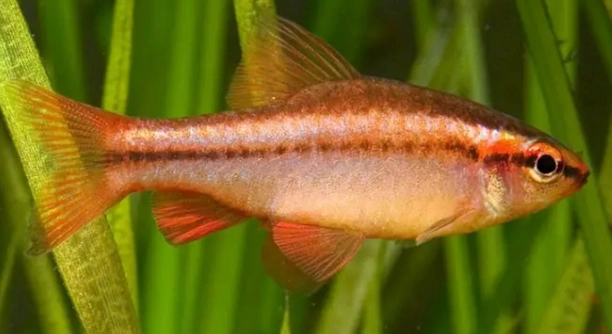
Cherry barbs are beautiful, peaceful fish that thrive in schools. They’re known for their lively nature and vibrant color. For fish keepers, it’s important to create the right environment to ensure their health and happiness in a group.
The strength of a cherry barb school relies on several key habits, such as maintaining a stable water environment, providing adequate space, feeding them properly, and ensuring they have plenty of hiding spots. These practices contribute to a thriving school.
By following these simple steps, you can help create a thriving and harmonious environment for your cherry barbs. With just a little care, they’ll grow and flourish in their underwater community.
Creating a Stable Water Environment
The most important factor in keeping your cherry barbs happy and healthy is providing them with a stable water environment. Cherry barbs are sensitive to fluctuations in temperature, pH, and water hardness. Maintaining consistency in water quality will help avoid stress and ensure their well-being. Regular water changes and proper filtration are essential to keeping the tank clean and safe. A stable temperature range of 72-80°F (22-27°C) is ideal, with a neutral pH around 7.0.
Water quality also affects the fish’s coloration and overall activity levels. When the water is clean and stable, they tend to show brighter colors and swim more actively. It’s also important to check for any signs of water contamination, such as algae blooms or excess waste, and act quickly.
A good filtration system is key, as it helps to maintain water clarity and eliminate harmful toxins. For best results, perform partial water changes every week and monitor the water quality regularly with a test kit.
Providing Proper Space
Cherry barbs are peaceful fish, but they still need enough space to swim freely. A tank size of at least 20 gallons is recommended for a small group of cherry barbs.
Crowding can cause stress, which may lead to health issues or aggression among the fish. They feel more comfortable in schools of at least six or more, as they naturally enjoy the company of their own kind. The more space they have, the happier and healthier they will be.
Feeding Them Properly
Cherry barbs are not picky eaters but still require a balanced diet. Offer a variety of foods, including high-quality flakes, pellets, and occasional live or frozen foods like daphnia, brine shrimp, and bloodworms.
Overfeeding can lead to water pollution and health problems. Feed small amounts two to three times a day, only offering as much as they can consume in a few minutes. Be sure to remove any uneaten food to keep the tank clean. A proper diet will help maintain their vibrant color and boost their immune system, allowing them to thrive in a school.
Varying their diet helps ensure they get all the nutrients they need to stay healthy. Cherry barbs are particularly fond of protein-rich foods, which support growth and energy levels. Additionally, supplementing with vegetable-based food like spirulina can enhance their overall well-being.
Providing Hiding Spots
While cherry barbs are peaceful, they still appreciate a place to retreat when they feel stressed. Adding plants, driftwood, or rocks to the tank creates natural hiding spots.
These hiding spots offer security and reduce stress, making them feel safer in their environment. They will also help to replicate their natural habitat, where they typically seek shelter in aquatic plants and submerged areas. A well-planted tank is beneficial not only for the fish but also for improving water quality and providing oxygen.
Cherry barbs will also utilize these spots to rest or sleep. Ensure that there is enough cover for all of them to avoid territorial issues. Having several hiding spots spread across the tank will give each fish the option to claim its own space without feeling crowded.
Monitoring Water Parameters
Cherry barbs thrive in stable water conditions. Regularly test your tank’s water for ammonia, nitrites, and nitrates, as these can quickly harm your fish. Maintaining a balanced level of these chemicals ensures your fish stay healthy.
Investing in a quality test kit allows you to stay on top of any changes in the water quality. Regular testing is essential for preventing sudden spikes that could lead to stress or illness. Keeping these levels in check will help maintain a safe and comfortable environment for your cherry barbs.
Frequent water tests are especially important when setting up a new tank or after a water change. These checks will give you peace of mind and help you take action before any problems arise.
Choosing Tankmates Wisely
Cherry barbs are peaceful and do best with similar-tempered fish. Avoid aggressive species that might stress them out or cause injury.
Good tankmates for cherry barbs include small tetras, rasboras, and other community fish. This peaceful environment ensures they can swim and socialize without fear of being harassed.
Regular Tank Maintenance
Regular cleaning is essential to keeping your cherry barbs healthy. Remove excess waste, vacuum the substrate, and clean the filter regularly to ensure optimal water conditions.
A clean tank reduces the chances of disease and keeps the fish happy. By maintaining the tank’s cleanliness, you create a more stable environment for your fish.
FAQ
How many cherry barbs should be kept in a school?
Cherry barbs are social fish, and it’s recommended to keep at least six in a school. A small group helps reduce stress and allows them to exhibit their natural behavior. The more, the better, as they enjoy swimming together. Keeping them in larger groups will promote their natural behavior of schooling and improve their overall health. A group of 8-10 can make them feel even more comfortable and secure. It also helps to reduce the risk of aggression, as they tend to be less territorial when they’re in larger groups.
What is the ideal tank size for cherry barbs?
The minimum tank size for a group of cherry barbs is 20 gallons. This provides enough space for them to swim freely and comfortably. If you’re keeping other fish with them, consider a slightly larger tank to avoid overcrowding. A bigger tank offers more stability in water parameters and allows for better filtration, ensuring your cherry barbs stay healthy. While they don’t require a huge tank, keeping them in a cramped space can lead to stress and health problems. With the right size tank, your cherry barbs will thrive.
What is the best temperature range for cherry barbs?
Cherry barbs prefer a water temperature between 72-80°F (22-27°C). Keeping the temperature within this range helps ensure they stay active and healthy. It’s important to avoid temperature fluctuations, as sudden changes can cause stress or illness. A stable temperature also supports their metabolism, improving their immune system and overall well-being. Using a reliable aquarium heater and thermometer can help you maintain the ideal temperature consistently. Be sure to monitor the water regularly and adjust the heater as needed to keep the temperature within the preferred range.
What do cherry barbs eat?
Cherry barbs are not picky eaters. They will accept a variety of foods, including high-quality flakes, pellets, and occasional live or frozen foods. You can feed them daphnia, brine shrimp, or bloodworms to provide extra protein. They also enjoy vegetable-based foods like spirulina or algae wafers, which are great for their digestion. A balanced diet is key to keeping them vibrant and healthy. It’s important to feed them small portions two to three times a day to avoid overfeeding. Always remove any uneaten food to prevent water pollution and maintain good water quality.
Can cherry barbs live with other species?
Yes, cherry barbs are peaceful and do well with other calm, non-aggressive fish. They are best kept with other community fish, such as tetras, rasboras, or peaceful gouramis. Avoid aggressive species or those that might compete for food, as this could stress them out. Cherry barbs thrive in a tank with similar-sized, calm fish that won’t bother them. It’s also important to make sure all species have enough space in the tank to avoid territorial issues. When choosing tankmates, keep in mind that cherry barbs are not suited for aggressive or territorial species.
Do cherry barbs require special water conditions?
Cherry barbs are fairly adaptable, but they do best in slightly acidic to neutral water, with a pH range of 6.5-7.5. They also prefer soft to moderately hard water. While they can tolerate a range of water conditions, stable parameters are key to keeping them healthy. Regular water testing for ammonia, nitrites, and nitrates is necessary to ensure the water remains safe. Keeping the water clean with regular water changes and good filtration is also essential. In addition, maintaining the right temperature and providing enough oxygen will help your cherry barbs thrive.
How can I tell if my cherry barbs are stressed?
Stressed cherry barbs may display signs such as erratic swimming, hiding more than usual, or staying near the water surface. Their colors may also dull, indicating stress or poor water conditions. Additionally, they might become more aggressive towards one another or other tankmates, especially if they feel overcrowded. If you notice these signs, check your water parameters, ensure the tank is not overcrowded, and verify the temperature is stable. Stress can also be caused by poor tankmates or a lack of hiding spaces. Addressing the root cause quickly can help prevent long-term health issues.
How often should I clean the tank for cherry barbs?
Regular maintenance is important for keeping cherry barbs healthy. Perform partial water changes once a week, changing 20-30% of the water to remove waste and maintain water quality. You should also clean the substrate by vacuuming it to remove excess food, debris, or fish waste. The filter should be cleaned regularly according to the manufacturer’s instructions, but avoid over-cleaning it, as some beneficial bacteria will be removed. Inspect the plants and decorations, cleaning them as needed. Regular maintenance keeps the water clean and the fish free from stress or disease. Keeping the tank clean is essential for long-term success.
Can cherry barbs breed in a community tank?
Yes, cherry barbs can breed in a community tank, but the process is more likely if there are a few males and females in the group. To encourage breeding, you can increase the water temperature slightly to mimic the conditions of their natural breeding season. During breeding, the males will chase the females, and once the female is ready, she will lay eggs on plants or substrate. The eggs will hatch in a few days, but it’s common for the fry to be eaten by other fish, so providing a breeding tank or plenty of cover is recommended for successful fry survival.
Are cherry barbs prone to any diseases?
Like most fish, cherry barbs can be susceptible to common aquarium diseases such as Ich, velvet, or fin rot if the water quality is poor or if they’re stressed. Regular water changes, maintaining good filtration, and avoiding overcrowding can help prevent disease. Additionally, keeping the tank clean and providing a varied diet will support their immune system. If you notice any signs of illness, such as white spots, faded colors, or clamped fins, it’s important to isolate the affected fish and treat the tank promptly to prevent the spread of disease.
Final Thoughts
Caring for cherry barbs can be a rewarding experience. These small, peaceful fish are easy to manage once you understand their needs. With the right tank setup, stable water conditions, and proper feeding, cherry barbs can thrive in a community tank. Their vibrant colors and active nature make them a delightful addition to any aquarium. Whether you are a beginner or experienced aquarist, keeping cherry barbs can be both enjoyable and educational.
One of the most important things to remember is that cherry barbs are social creatures. They feel more comfortable in schools, so it’s essential to provide them with the proper number of tank mates. A group of at least six will help reduce stress and allow them to exhibit natural behaviors. Overcrowding should be avoided, as this can lead to territorial disputes and health issues. By maintaining a peaceful environment with appropriate tank mates, cherry barbs will feel safe and secure in their home.
Lastly, always keep an eye on water quality and tank maintenance. Regular water changes, proper filtration, and monitoring water parameters will ensure that your cherry barbs stay healthy. A clean, well-maintained tank is key to preventing disease and keeping your fish vibrant. With these simple steps, you can enjoy watching your cherry barbs grow and thrive for many years. Proper care and attention will lead to a happy, healthy school of fish that will bring beauty and life to your aquarium.

Hello,
If you enjoy the content that we create, please consider saying a "Thank You!" by leaving a tip.
Every little bit helps us continue crafting quality advice that supports the health, happiness, and well-being of pets around the world, for pets of all shapes, sizes, and species.
We really appreciate the kindness and support that you show us!