
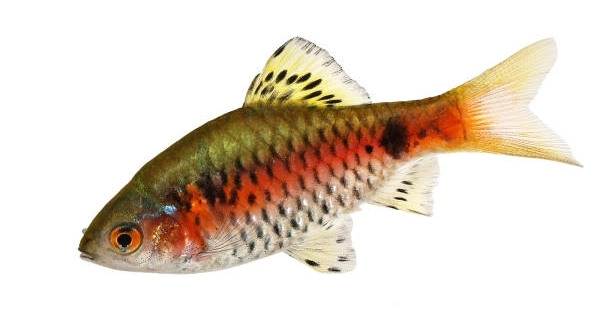
Rosy barbs are popular freshwater fish known for their vibrant colors and active nature. New owners often enjoy their beauty but may encounter behaviors that seem puzzling at first. Understanding these habits is important for a healthy aquarium environment.
Many common behaviors of rosy barbs can confuse new owners because they stem from natural instincts and environmental needs. These include schooling tendencies, frequent swimming patterns, and sensitivity to water conditions, which require careful observation and proper tank management.
Recognizing these habits early helps owners provide better care and prevents unnecessary worry. The following guide explains seven behaviors that often cause confusion for new rosy barb keepers.
Schooling and Group Behavior
Rosy barbs naturally swim in groups, which is called schooling. When they are kept alone or in too small a number, they may act nervously or hide a lot. It is important to keep at least six rosy barbs together so they feel safe and display normal behavior. Without a proper group, they can become stressed, which affects their health. This schooling habit helps them feel secure and encourages natural swimming patterns. Observing them closely will show you how they interact, swim together, and respond to changes in their environment. Understanding this can improve how you set up your tank and care for them daily.
Keeping rosy barbs in a group reduces stress and encourages natural behaviors that make them healthier and more active fish.
A larger group allows rosy barbs to express their natural social behaviors. They tend to swim in coordinated patterns, which can be fascinating to watch. When separated or kept in small numbers, their behavior becomes erratic and they may hide. This stress can weaken their immune system and lead to illness. Group housing is essential to replicate their natural environment, which helps maintain their well-being. You should also provide enough space for them to swim freely and avoid overcrowding, as both extremes can cause problems. Maintaining water quality and a well-planned aquarium setup supports their schooling habits effectively.
Frequent Darting and Rapid Movement
Rosy barbs often dart quickly around the tank, which can seem alarming but is normal behavior for them.
This rapid swimming is a response to excitement or mild stress. They may dart when new objects or fish enter the tank or when food is added. It is also a way to explore their surroundings and show alertness. If the tank is well-maintained and the water conditions are stable, this behavior is usually harmless. However, constant frantic movement may indicate water quality problems or overcrowding. Watching their activity level helps detect any underlying issues early. Maintaining a calm environment with stable conditions minimizes unnecessary stress and keeps their movements natural.
Sensitivity to Water Changes
Rosy barbs are sensitive to sudden changes in water conditions. Rapid shifts in temperature, pH, or hardness can stress them and affect their health.
Maintaining stable water parameters is essential. Sudden water changes can shock rosy barbs, causing erratic behavior or illness. It is best to perform gradual water changes, about 20-30% weekly, to keep the environment steady. Using a water conditioner helps remove harmful chemicals. Regularly testing water quality ensures that levels of ammonia, nitrites, and nitrates remain safe. Stress from water instability weakens their immune system and makes them more vulnerable to disease. Keeping the tank clean and stable supports their overall well-being and encourages natural behavior.
It is important to avoid over-cleaning the tank, as this can remove beneficial bacteria. Balance between cleanliness and maintaining a healthy biological filter keeps the tank environment optimal for rosy barbs.
Nipping Behavior
Rosy barbs sometimes nip at other fish’s fins, which can be surprising to new owners. This behavior is related to their active and sometimes territorial nature.
Fin nipping often occurs when the tank is overcrowded or when there is not enough space to swim freely. It can also be a sign of boredom or lack of stimulation. Providing hiding spots and plants can reduce this behavior. Keeping a proper group size helps prevent aggression. Some fish species are more prone to nipping, so tank mates should be chosen carefully. Regular observation helps identify which fish might be targeted. Taking action early can prevent injuries and keep all fish safe.
Behavior can be managed by adjusting the tank setup and maintaining a peaceful environment. Providing enough space and enrichment reduces fin nipping and supports harmony in the aquarium.
Restlessness at Night
Rosy barbs can be restless during nighttime, swimming actively instead of resting quietly. This behavior might seem unusual but is quite common among these fish.
They may respond to lights outside the tank or noises nearby. Ensuring a consistent light-dark cycle helps regulate their rest.
Hiding in Plants
Rosy barbs often hide among plants to feel safe or when stressed. Providing dense vegetation gives them places to retreat and reduces anxiety.
A well-planted tank mimics their natural habitat and supports their need for shelter.
Jumping Out of the Tank
Rosy barbs are known to jump out of tanks, especially if startled or uncomfortable. This is a serious risk that requires attention.
Keeping a secure lid on the aquarium prevents escapes. Avoid sudden movements or loud noises near the tank, and maintain good water quality to reduce stress that triggers jumping. Providing ample swimming space and hiding spots also helps keep them calm and less likely to leap. Regular observation is necessary to catch any early signs of distress that may cause this behavior.
Why do my rosy barbs swim erratically?
Erratic swimming is often caused by stress or poor water quality. Changes in temperature, ammonia spikes, or overcrowding can make rosy barbs swim frantically. Sometimes, new tank setups or the introduction of new fish also trigger this behavior. Maintaining stable water parameters and giving them space usually calms them down.
How many rosy barbs should I keep together?
It is best to keep at least six rosy barbs in a group. They are schooling fish and feel safer and less stressed when in groups. Smaller numbers can lead to nervousness and hiding, which affects their health and behavior.
Why are my rosy barbs nipping at other fish?
Nipping happens mostly because of overcrowding or boredom. Rosy barbs are active swimmers and need enough space. Without it, they may nip fins out of frustration. Providing hiding spots and choosing peaceful tank mates helps reduce nipping.
What water parameters do rosy barbs need?
Rosy barbs prefer water with a temperature between 64-72°F (18-22°C). The pH should be around 6.5 to 7.5, with moderate hardness. Keeping ammonia and nitrites at zero is crucial. Regular water tests help keep the environment healthy for them.
Can rosy barbs live with other fish?
Yes, but choose tank mates carefully. They do well with other active, similarly sized fish that can handle their swimming style. Avoid slow or long-finned species since rosy barbs might nip at their fins. Peaceful community fish are usually the best companions.
Why do my rosy barbs jump out of the tank?
Jumping often happens when they are startled or stressed by sudden changes or loud noises. Poor water quality or overcrowding can also cause this behavior. A tight-fitting lid and a calm environment reduce the risk of them jumping out.
How often should I change the water?
Perform a partial water change of 20-30% every week. This helps remove toxins and keeps water parameters stable. Sudden large water changes can stress the fish, so gradual changes are preferred.
Why are my rosy barbs hiding a lot?
Hiding usually means they feel stressed or threatened. This can be due to aggressive tank mates, poor water quality, or lack of hiding spots. Providing plants and decorations for shelter makes them feel safe and encourages natural behavior.
Do rosy barbs need special food?
Rosy barbs are not picky eaters and accept most flakes, pellets, and live foods. A balanced diet with occasional treats like brine shrimp or bloodworms keeps them healthy. Avoid overfeeding, as leftover food can spoil the water.
How do I know if my rosy barbs are healthy?
Healthy rosy barbs swim actively, show bright colors, and eat well. Watch for signs like clamped fins, lethargy, or spots, which can indicate illness. Regular observation and maintaining good tank conditions help keep them healthy and happy.
Rosy barbs are lively and colorful fish that bring energy to any freshwater aquarium. While their habits can sometimes confuse new owners, understanding these behaviors is key to providing proper care. Many of the actions that seem strange at first, such as schooling, darting, or even fin-nipping, are natural parts of their behavior. Recognizing this helps avoid unnecessary concern and allows owners to focus on maintaining a healthy environment. Consistency in tank conditions and a well-planned setup will encourage rosy barbs to thrive and display their best colors and activity.
Proper tank management is essential to keep rosy barbs healthy and happy. Stable water parameters, adequate group sizes, and enough swimming space reduce stress and behavioral problems. Avoiding overcrowding and sudden changes in water conditions makes a big difference in their well-being. Providing hiding spots with plants or decorations also supports their need for security. If signs of stress or illness appear, quick action and adjustments to their care routine can prevent worsening issues. Learning to read the subtle signals these fish give is an important part of successful fishkeeping.
Patience and observation are important when caring for rosy barbs. Their natural habits may take time to understand fully, especially for new owners. With experience, it becomes easier to identify what is normal and what needs attention. Paying attention to their behavior daily and keeping the tank environment stable are practical ways to ensure their long-term health. Rosy barbs can live several years when properly cared for, making the effort worthwhile. Taking the time to learn about their habits leads to a more enjoyable and rewarding aquarium experience.

Hello,
If you enjoy the content that we create, please consider saying a "Thank You!" by leaving a tip.
Every little bit helps us continue crafting quality advice that supports the health, happiness, and well-being of pets around the world, for pets of all shapes, sizes, and species.
We really appreciate the kindness and support that you show us!