
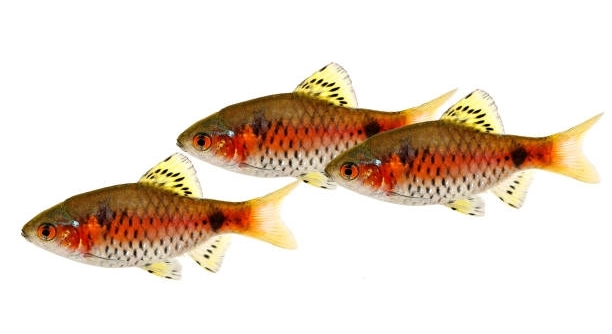
Do your rosy barbs often act in odd or surprising ways after being introduced to a new tank or different fish species?
Rosy barbs commonly adopt new behaviors by observing and interacting with other fish in their environment. These learned habits may include feeding patterns, swimming styles, schooling tendencies, and even forms of social interaction or aggression.
This article explores how environmental shifts and social influences shape rosy barbs’ behavior, and what it means for your community tank setup.
They Learn Feeding Patterns Quickly
Rosy barbs are very observant, especially during feeding time. When housed with other fish, they often change their behavior based on what they see. If other fish rush to the top for flakes, rosy barbs may start doing the same—even if they usually feed in the middle or bottom areas. They also tend to mimic fast eaters, picking up speed and grabbing food more aggressively. Sometimes, they even begin pecking at algae or leftover pellets after seeing others do it. This flexible behavior helps them adapt quickly to mixed-species tanks where feeding styles vary.
Feeding time is not just about hunger—it’s a social event that shapes habits.
If you notice your rosy barbs behaving differently during meals, it’s likely because they’re adjusting to the habits of the fish around them. They’re learning what works best to get food quickly and efficiently. It’s something to keep in mind when introducing new tank mates.
Copying Schooling Behavior
Rosy barbs are not strict about who they school with.
In a community tank, they often start swimming alongside fish that are roughly the same size, especially if those fish move in groups. This isn’t just random—it offers a sense of safety and rhythm. When they school with others, rosy barbs learn movement patterns, preferred swimming areas, and even when to retreat from strong currents or sudden shadows. This behavior helps them stay alert and blend in, making them feel more secure. Over time, they may even become more active or calm depending on who they’re swimming with. If the other fish are peaceful and calm, rosy barbs will likely take on a slower, more relaxed pace. If the tankmates are high-energy, the barbs may become bolder and more playful. Watching this kind of social adaptation gives you a better idea of how flexible and social rosy barbs can be in the right setup.
Following Resting and Hiding Routines
Rosy barbs often adjust their resting habits after observing other fish. If other tank mates prefer hiding behind plants or decorations, rosy barbs start using those same spots for rest or quiet time.
This habit helps them feel more secure, especially in busy tanks. When they see other fish using certain areas for hiding or resting, they tend to follow, even if those spots weren’t previously their preference. Over time, they develop a routine and pick up on subtle signals, like when the tank becomes quieter or lights dim. It’s a learned behavior that blends caution with comfort. If your other fish take breaks in shaded corners or drift under leaves, expect your rosy barbs to tag along eventually. They’re not shy about copying what works, especially when it helps them stay calm and undisturbed. It’s part of how they blend in and feel at home.
Some fish have a set resting schedule, and rosy barbs often sync their downtime with the group. They may start hiding at similar times of day or resting near specific tank mates. This shared rhythm can lead to a calmer tank atmosphere overall. It also shows how flexible rosy barbs are in adjusting to the environment and social cues.
Picking Up Aggression or Calmness
Tankmates play a big role in shaping how bold or relaxed rosy barbs become. They don’t always start out aggressive or overly social—but they can shift either way.
If housed with nippy or dominant fish, rosy barbs may start to mirror that behavior. They might chase other fish or guard territory more than usual. On the other hand, if they’re surrounded by calm, gentle fish, they’re likely to settle down. They become less frantic and more in tune with the relaxed pace of the tank. It’s important to notice these changes early. A normally peaceful rosy barb may start acting out when stressed by other aggressive species. That’s why picking compatible tank mates is key. Rosy barbs will often reflect the energy of those around them, so what you see in one fish can ripple across the whole tank. Their behavior is a mix of instinct and influence.
Adopting Breeding Behaviors
When rosy barbs see other fish preparing breeding spots or showing courtship signs, they sometimes mimic those actions. This can happen even if they’re not ready to breed themselves. They respond to the energy and movement of other fish.
They may start chasing, nudging, or cleaning surfaces just like the fish around them. This learned behavior is common in tanks where multiple species are showing mating behaviors.
Learning from Cleaning Fish
Rosy barbs often follow around cleaning fish like loaches or corydoras. They watch where debris gathers and begin pecking at those same spots. This behavior helps them discover new feeding zones they wouldn’t notice on their own. Over time, they become more aware of where food tends to collect.
Responding to Light Changes
Rosy barbs learn from other fish how to respond to sudden light shifts. If the tankmates hide or slow down when lights go off or on, rosy barbs often do the same.
FAQ
Can rosy barbs become more aggressive if they’re kept with aggressive fish?
Yes, rosy barbs can become more aggressive over time when kept with pushy or territorial fish. They may start chasing or nipping at others, especially during feeding or if space is limited. While they aren’t naturally aggressive, they tend to mirror what’s around them. If the tank environment feels tense or competitive, rosy barbs will adjust by becoming more assertive. This helps them survive and keep up with the group, even if it changes their natural behavior. Choosing peaceful tankmates can help prevent unwanted behavior changes.
Do rosy barbs learn where to hide by watching other fish?
Yes, they do. Rosy barbs are very observant, especially when it comes to hiding or resting. If they see other fish using specific plants, caves, or decorations to rest or avoid stress, they will likely try those spots too. Over time, this creates a pattern. Even if they didn’t use those hiding places before, they will start associating them with safety. This behavior is especially common when the tank has sudden movement, light changes, or during rest periods. It’s a simple way they learn from their surroundings.
Can rosy barbs pick up feeding habits from bottom dwellers?
Absolutely. Rosy barbs are known to explore areas they wouldn’t usually touch if they notice bottom feeders gathering food. For example, if they see corydoras or loaches picking at leftover food near the gravel, they’ll often join in. They quickly understand that those areas can offer food, even if they usually feed in the middle of the tank. This learned behavior helps reduce waste and shows how adaptable they are in a shared space. It’s another reason why tankmate behavior affects their daily routines.
Do rosy barbs always follow the schooling behavior of other fish?
Not always, but it’s very common when they are in mixed-species tanks. If other fish school often—especially if they’re similar in size—rosy barbs may join them. This gives them a sense of security and helps them avoid stress. Even if they don’t school tightly, they still tend to swim near fish that move together. Over time, they can start mimicking how the group swims, including when to slow down, turn, or rest. It’s a flexible behavior that makes them easy to house with similar active fish.
How quickly do rosy barbs adapt to new behaviors in a mixed tank?
They adapt fairly quickly. In some cases, it takes just a few days for them to start mimicking feeding styles, hiding habits, or swimming behavior. This is especially true if the tankmates are very active or have clear routines. The more time rosy barbs spend observing other fish, the more likely they are to pick up new habits. It doesn’t mean they completely change overnight, but small shifts in behavior can be seen within the first week. Their ability to adapt helps them thrive in diverse setups.
Can rosy barbs be influenced by breeding behaviors of other species?
Yes, they can. Even if they are not ready to breed, rosy barbs might start displaying mild courtship behaviors if they see other fish doing it. They may chase more, show off their colors, or clean flat surfaces. This kind of behavior is often short-lived, but it shows how social influence can affect their instincts. If other fish are actively mating, rosy barbs may copy the energy or movement without fully understanding it. It’s a reflection of how much they rely on social cues.
Do rosy barbs follow light-related behaviors of other fish?
Yes, they respond to what other fish do when the lighting changes. If their tankmates hide, slow down, or head to specific corners when the lights go out, rosy barbs usually follow. Over time, they learn that these behaviors signal rest or quiet time. They may not react instantly at first, but repeated exposure helps them form routines. This kind of behavior helps keep a balanced rhythm in community tanks, especially when different species have overlapping light-related habits.
Is it a problem if rosy barbs copy bad behaviors from other fish?
It can be. If they’re housed with overly aggressive, hyperactive, or nervous fish, they may start acting the same way. This can lead to stress, chasing, or food competition. While rosy barbs are adaptable, they’re also sensitive to tank dynamics. That’s why picking calm, well-behaved tankmates makes a big difference. Their copied behavior isn’t permanent, but it can become part of their routine if not addressed. Watching their reactions closely helps you know when it’s time to adjust your tank setup.
Final Thoughts
Rosy barbs are naturally active and curious fish, but their behavior is not fixed. They are very observant and often copy the habits of other fish around them. This includes how they eat, where they rest, and how they respond to changes in the tank. These habits are not random. They are based on what the rosy barbs see and experience daily. When kept in a mixed-species tank, rosy barbs quickly learn from their surroundings. They pick up both helpful and not-so-helpful behaviors. That’s why it’s important to pay attention to the other fish in the tank, as their behavior may slowly shape how your rosy barbs act over time.
Having a peaceful and balanced tank helps rosy barbs thrive. When tankmates are calm, friendly, and active in a positive way, the rosy barbs tend to follow that same rhythm. They stay more relaxed, swim confidently, and show brighter colors. On the other hand, if the tank is loud, crowded, or filled with aggressive fish, rosy barbs may become more stressed or aggressive. Their energy shifts based on what they see every day. They are not just surviving in the tank—they are learning and reacting to the environment you provide. This is a key reason why careful planning and observation are necessary when creating a community setup.
Understanding that rosy barbs learn from others helps you support their health and happiness. Watching how they change after new fish are introduced can give clues about whether the tank is balanced or needs adjustments. You don’t have to make big changes all at once. Small updates—like adding hiding spots, adjusting lighting, or changing the feeding schedule—can make a big difference. Even giving them calm tankmates who show good habits helps a lot. In the end, rosy barbs are social and adaptable, but they depend on a stable and thoughtful environment to truly thrive. By noticing what they pick up from others, you can give them the support they need to stay healthy and active in the long run.

Hello,
If you enjoy the content that we create, please consider saying a "Thank You!" by leaving a tip.
Every little bit helps us continue crafting quality advice that supports the health, happiness, and well-being of pets around the world, for pets of all shapes, sizes, and species.
We really appreciate the kindness and support that you show us!