
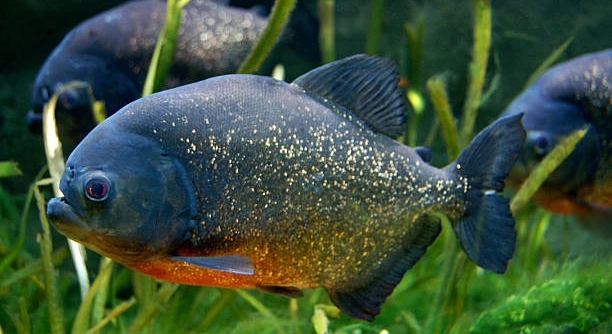
Piranhas are often seen as fierce fish, but many of their behaviors go unnoticed. These small predators have habits that shape how they live and interact with their environment. Learning about these can give us a better understanding of them.
Piranhas exhibit seven key habits that are frequently overlooked, including their social hunting techniques, territorial behaviors, communication methods, feeding patterns, adaptability to environments, reproductive strategies, and survival tactics. These habits play crucial roles in their ecosystem and overall species success.
These behaviors reveal much more about piranhas than their reputation suggests. Exploring these habits will provide fresh insight into these fascinating fish and their place in nature.
Social Hunting Techniques
Piranhas are known to hunt in groups, which helps them catch prey more efficiently. When they hunt together, they can overwhelm animals much larger than themselves. This teamwork allows them to share food and increases their chances of survival. Despite their fierce reputation, piranhas do not always attack as a swarm; sometimes they wait patiently until the right moment to strike. Their hunting style depends on the size of the group and the type of prey available. This social behavior shows that piranhas rely on cooperation rather than just individual strength. Observing their group hunting reveals how organized and strategic these fish can be.
Hunting in packs makes piranhas more successful than if they hunted alone. It helps them protect their territory and find enough food to thrive.
Understanding their social hunting habits explains why piranhas often appear more coordinated than wild. Their cooperation is a key survival skill in their natural habitat.
Territorial Behavior
Piranhas guard their space fiercely. They mark their territory and chase away intruders to keep control. This behavior helps reduce competition for food and mates. In crowded areas, this can lead to frequent confrontations. They use visual displays and quick movements to warn others before attacking physically. Territorial defense is especially strong during breeding seasons when protecting nests and young becomes critical. By keeping their area secure, piranhas can focus on feeding and raising offspring without constant threats from rivals. This instinct to guard territory is essential to maintaining order and balance within their groups.
Communication Methods
Piranhas use different sounds and movements to communicate. These signals help them warn others, find mates, and coordinate group actions. Their communication is subtle but important for survival in crowded waters.
Piranhas produce noises by rubbing their bones or vibrating their swim bladders. These sounds can signal danger or show aggression toward rivals. Besides sounds, they use body movements like fin displays and quick darts to express moods or intentions. This combination of sound and movement keeps the group informed and organized. It also helps avoid unnecessary fights by giving clear warnings.
Communication plays a key role in their daily life. It supports social bonds within the group and makes their hunting and defense more effective. Without these signals, piranhas would struggle to work together and protect their space.
Feeding Patterns
Piranhas do not always eat meat. While they are known for being carnivores, many species also consume plants and insects. Their diet varies based on what is available.
In areas where food is scarce, piranhas adapt by eating fruits, seeds, and even algae. This flexibility helps them survive in changing environments. When meat is plentiful, they focus on small fish or injured animals. Their feeding depends on the season, water levels, and group needs. Young piranhas tend to eat more plant matter before moving to a mostly meat diet. Understanding their feeding patterns shows they are more than just aggressive hunters; they are opportunistic feeders that make the most of what’s around. This varied diet supports their health and survival across different habitats.
Adaptability to Environments
Piranhas live in many different water types, from rivers to flooded forests. They adjust well to changes in water levels and temperature.
Their ability to survive in various conditions makes them strong. They can handle both calm and fast-moving waters, which helps them spread across South America’s waterways.
Reproductive Strategies
Piranhas build nests and guard their eggs carefully. The males often protect the young until they can swim and find food on their own. This care improves the survival rate of their offspring.
Parental protection lasts for several weeks, showing piranhas are attentive parents. The effort put into reproduction ensures that fewer eggs fall prey to predators, increasing the chances of a successful new generation.
Survival Tactics
Piranhas rely on sharp teeth and quick reflexes to escape threats. Their speed helps them avoid larger predators.
Are piranhas as dangerous as people think?
Piranhas often get a bad reputation for being extremely dangerous, but in reality, they are not as deadly as movies make them out to be. Most piranha species are shy and avoid humans unless provoked or threatened. Attacks on people are rare and usually happen when the fish feel cornered or when food is very scarce. Their sharp teeth are designed to tear flesh, but they usually feed on smaller fish, insects, and plants. While piranhas can bite, they are not natural predators of humans. Understanding their behavior helps reduce unnecessary fear and promotes respect for their role in the ecosystem.
How do piranhas hunt in groups?
Piranhas hunt in groups to improve their chances of catching food. When several piranhas attack together, they can overwhelm prey much larger than themselves. The group uses quick, coordinated movements to trap or injure the prey quickly. This hunting style is efficient because it spreads the risk and ensures more food is shared. However, piranhas do not always attack as a big group; sometimes a smaller number will hunt quietly until the right moment. Group hunting also helps protect individual piranhas from predators by confusing or intimidating threats.
Do piranhas only eat meat?
No, piranhas do not only eat meat. While many people think they are purely carnivorous, piranhas are actually omnivores. Their diet can include plants, seeds, insects, and small fish. This flexibility depends on the environment and food availability. In times of scarcity, piranhas will eat fruits and algae to survive. Young piranhas especially tend to eat more plant matter before moving on to a mostly meat-based diet as they grow. This varied diet helps them adapt to changing conditions and find food more easily.
What role do piranhas play in their ecosystem?
Piranhas play an important role as both predators and prey in their environment. They help control populations of smaller fish and insects, which keeps the ecosystem balanced. At the same time, they serve as food for larger animals like birds and river mammals. By cleaning up dead or weak animals, piranhas contribute to the health of their habitat. Their territorial behavior also helps maintain order among fish groups, reducing overpopulation and resource competition. Overall, piranhas are a key part of aquatic food chains.
How do piranhas communicate with each other?
Piranhas communicate through sounds and body language. They produce noises by vibrating their swim bladders or rubbing bones, which can signal danger or aggression. Along with sounds, they use movements like fin displays, head shaking, or quick bursts of swimming to send messages to others. These signals help coordinate group hunting, warn rivals, and attract mates. Communication reduces unnecessary fights by giving clear warnings and helps keep the group organized. Though subtle, their communication is essential for survival.
Why do piranhas guard their territory?
Piranhas guard their territory to protect resources like food and breeding sites. Keeping a territory reduces competition with other fish and ensures better access to what they need. They use visual displays and aggressive behaviors to warn off intruders before physical fights occur. During breeding season, territorial defense becomes stronger to protect nests and young fish. This behavior maintains order in crowded habitats and helps piranhas survive by controlling space and reducing threats.
Can piranhas live in different types of water?
Yes, piranhas can live in various types of water. They are found in rivers, lakes, and flooded forests across South America. Their adaptability allows them to survive in calm or fast-moving water and in both warm and cooler temperatures. This flexibility helps them thrive even when environmental conditions change. By adjusting their behavior and diet, piranhas can live in many different habitats, which is a key factor in their wide distribution.
How do piranhas protect their young?
Male piranhas often guard their eggs and young fish carefully. They build nests in shallow waters and stay close to protect the offspring from predators. This parental care lasts until the young are strong enough to swim and find food on their own. Guarding the young improves their survival chances by reducing attacks from other fish and animals. This level of care is not common among many fish, showing how piranhas invest in their offspring’s future.
What helps piranhas survive threats?
Piranhas survive threats by relying on their speed, sharp teeth, and group defense. Their quick reflexes help them escape larger predators. When threatened, they may band together to appear more intimidating or use their teeth to defend themselves. They also hide in vegetation or muddy water to avoid detection. These survival tactics allow them to stay safe in environments with many predators.
Are piranhas aggressive toward humans?
Piranhas are rarely aggressive toward humans. Most attacks happen when the fish feel threatened or food is very limited. Swimming near a piranha’s territory or disturbing the water during dry seasons can cause defensive bites. However, outside these situations, piranhas usually avoid people. Understanding this helps reduce fears and encourages safe interaction with natural habitats. Respecting their space keeps both humans and piranhas safe.
Piranhas are often misunderstood because of their reputation as fierce predators. In reality, they are much more complex creatures with behaviors that help them survive in their environment. From hunting in groups to protecting their young, piranhas show interesting habits that are often ignored. These habits help them live well in different water conditions and deal with challenges in their surroundings. Learning about these behaviors gives a clearer picture of what piranhas really are beyond just sharp teeth and aggression.
One important thing to remember about piranhas is how adaptable they are. They do not rely on one kind of food or one style of living. Instead, they change their diet based on what is available, eating plants, insects, and small animals. They also communicate quietly through sounds and movements to keep their groups organized. Their ability to work together, defend their territory, and care for their young shows they are not just wild fighters but fish that depend on social behaviors and cooperation. This adaptability is a big part of why they thrive in many different water environments.
Understanding piranhas helps reduce the fear people have about them and shows how they fit into their natural habitats. They are important for keeping balance in the ecosystem by controlling populations of other fish and cleaning up dead animals. Their habits, though sometimes overlooked, play a key role in their survival and the health of their environment. Recognizing these facts allows us to appreciate piranhas for what they truly are — fascinating fish with complex habits that deserve respect and careful study.

Hello,
If you enjoy the content that we create, please consider saying a "Thank You!" by leaving a tip.
Every little bit helps us continue crafting quality advice that supports the health, happiness, and well-being of pets around the world, for pets of all shapes, sizes, and species.
We really appreciate the kindness and support that you show us!