
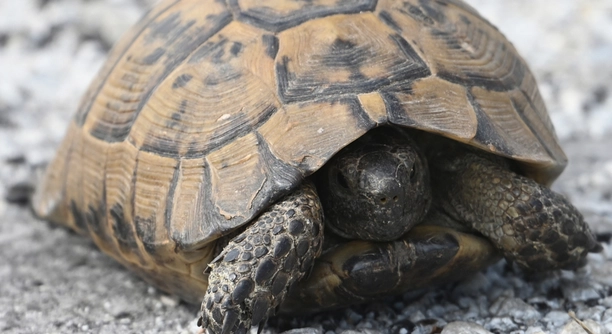
A happy Greek tortoise thrives in a comfortable and natural environment. With the right care, their habitat can be easily improved to enhance their health and well-being. Learn how small changes can make a big difference.
To improve your Greek tortoise’s habitat, focus on offering proper lighting, temperature regulation, humidity, substrate, a variety of plants, safe hiding spots, and enough space to roam. These upgrades promote better health, behavior, and longevity.
These upgrades are simple to implement and help ensure your tortoise enjoys a life full of comfort and activity. Understanding these factors can transform your tortoise’s environment into a thriving, safe space.
Proper Lighting for Your Greek Tortoise
Good lighting is essential for your tortoise’s health. Greek tortoises need both UVA and UVB rays to stay healthy. UVA light helps with their overall behavior, while UVB light is crucial for vitamin D3 production, which is vital for calcium absorption. Without proper lighting, your tortoise may experience weakened bones or poor health. It’s important to place the UVB light source close enough to your tortoise’s basking area, as they need to be in close proximity to absorb the rays properly. You can also consider using a combination of heat lamps and UVB bulbs to mimic natural sunlight.
To maintain a healthy light setup, you must replace the UVB bulbs regularly. These bulbs lose their effectiveness over time, even if they still appear to be working. Make sure to position the lighting in a way that creates a warm basking spot for your tortoise, as well as cooler areas for them to retreat to when they need a break.
A good light setup can make a huge difference in your tortoise’s activity levels and overall health. Ensuring they get enough light can prevent issues like metabolic bone disease, keeping your tortoise strong and active. Make sure to balance lighting with temperature to offer the best conditions.
Temperature Control
Temperature plays a crucial role in the well-being of your tortoise. Keeping your tortoise’s habitat at the right temperature will ensure that it can properly digest food and maintain a healthy metabolism. A basking spot should be around 90°F, with cooler areas ranging from 70°F to 80°F. Having a temperature gradient is key to your tortoise being able to regulate its body temperature naturally.
Maintaining the proper temperature throughout the day can be achieved with heating lamps or ceramic heat emitters. These are good alternatives to standard light bulbs that might not provide the right heat output. When your tortoise has access to warm spots and cooler areas, it will be able to stay comfortable and healthy.
An important part of temperature control is ensuring that the nighttime temperatures do not drop too much. A drop to around 65°F or higher is ideal for nighttime. Lower temperatures may stress your tortoise and reduce its ability to stay healthy.
Humidity Levels Matter
Humidity plays a subtle yet important role in the comfort and health of your tortoise. While Greek tortoises come from dry, arid regions, a certain level of humidity is still necessary for their well-being. Too much humidity can cause respiratory problems, while too little can lead to dehydration and dry skin. Aim for a humidity level between 40-60%. This will ensure that your tortoise stays hydrated while preventing respiratory issues.
Maintaining proper humidity levels can be done by adding a shallow water dish to their habitat. Make sure it’s cleaned regularly to prevent bacterial growth. You can also lightly mist the substrate to keep the air moist, but be careful not to make it too wet.
Keep in mind that humidity levels should be higher during the warmer months and lower during cooler weather. This slight fluctuation mimics the natural changes they might experience in the wild, promoting a healthy and balanced environment for your tortoise.
Substrate for Comfort and Health
The substrate you use in your tortoise’s habitat is more than just decorative. It plays a role in helping them burrow, stretch, and feel secure. Natural, breathable substrates like coconut coir, organic soil, or organic topsoil are ideal.
Avoid using sandy or dusty materials, as these can cause respiratory issues or digestive problems if ingested. The substrate should be deep enough for your tortoise to dig and hide, mimicking its natural environment. A good rule of thumb is to maintain a substrate depth of at least 2 to 4 inches.
Regularly clean and replace the substrate to prevent the buildup of waste or mold. Keeping the substrate dry and loose is key to preventing bacterial growth. You may also want to mix in some leaf litter for added comfort and stimulation, which mimics the environment Greek tortoises naturally enjoy.
Providing Hiding Spots
Hiding spots are essential for your tortoise’s mental and emotional health. These spots provide your tortoise with a sense of security and privacy, reducing stress. Use simple items like small cardboard boxes, half logs, or clay pots to create hiding spots.
These shelters also help regulate their body temperature, offering a cooler space when needed. Place them in areas that allow your tortoise to freely retreat to a private spot when feeling overwhelmed. Having multiple options around the habitat can also provide your tortoise with variety and comfort throughout the day.
Remember to keep these hiding spots clean and free of waste. This will encourage your tortoise to use them frequently, reducing the risk of stress-related behaviors and helping them thrive in a safe, secure environment.
Space to Roam
Providing enough space is crucial for your tortoise to stay active and healthy. A small enclosure can limit their natural behaviors and cause stress. Ideally, give them at least 4 square feet of space for every adult tortoise.
If possible, allow your tortoise to roam outside in a safe, enclosed area. A larger habitat encourages physical activity and mental stimulation. It also gives them room to move between basking, cooler, and hiding areas, which mimics their natural environment.
More space will allow your tortoise to engage in natural behaviors, improving their physical and mental health.
Varied Diet for Better Health
A healthy diet is key to your tortoise’s well-being. Offer a variety of leafy greens like dandelion greens, kale, and collard greens. Avoid high-oxalate foods like spinach, which can lead to kidney problems over time.
In addition to greens, your tortoise will benefit from occasional fruits like strawberries or melon. Offering a mix of foods helps provide balanced nutrition and prevents deficiencies. Fresh foods should always be cleaned and free from pesticides.
Make sure your tortoise has access to clean water at all times, and dust food with a calcium supplement a few times a week to support healthy bones.
Safe Outdoor Time
Taking your tortoise outdoors is a great way to provide them with enrichment. Just make sure the space is secure and free from predators, such as birds or dogs. Outdoor time allows your tortoise to soak up natural sunlight and explore new textures.
If you decide to take your tortoise outdoors, supervise them closely. They may try to dig or climb, so ensure the area is completely escape-proof. Outdoor environments offer variety and mental stimulation, making it a positive addition to their daily routine.
FAQ
How often should I clean my Greek tortoise’s enclosure?
Cleaning the enclosure regularly is important to maintain a healthy habitat. Spot clean daily to remove waste, uneaten food, and old substrate. Every few weeks, do a deeper clean by replacing the substrate and wiping down the walls and decorations. It’s essential to keep the habitat free from bacteria and mold. The frequency of cleaning may also depend on how many tortoises are in the enclosure. In a multi-tortoise setup, more frequent cleaning might be necessary to avoid waste buildup.
Can my tortoise live with other pets?
Greek tortoises generally do best in a solitary environment, especially in captivity. Introducing them to other pets, particularly more active ones like dogs or cats, can cause stress or even injury. If you do want to allow them some interaction with other animals, ensure that the other pets are calm and the space is large enough to give the tortoise a retreat. Always monitor the tortoise closely to ensure their safety and well-being.
What temperature should my tortoise’s basking area be?
The basking area should be kept at around 90°F to 95°F. This helps mimic their natural environment and encourages proper digestion and activity levels. Make sure the temperature gradually cools down as the tortoise moves away from the basking spot. A cool side of the enclosure should be around 70°F to 75°F, allowing your tortoise to regulate its body temperature throughout the day.
How do I prevent my tortoise from getting too cold at night?
Nighttime temperatures should be kept around 65°F to 70°F. If your home gets colder, consider using a ceramic heat emitter or an under-tank heater to maintain a consistent temperature. Avoid using heat rocks, as these can become too hot and cause burns. It’s important to ensure that the temperature drop at night is gradual to avoid stressing your tortoise. Maintaining stable temperatures supports their natural rhythms and promotes better sleep.
Can I feed my tortoise vegetables from my garden?
Yes, you can feed your tortoise many vegetables from your garden, but make sure they are pesticide-free. Avoid feeding them vegetables with high oxalates (such as spinach), as they can cause kidney issues. Suitable garden vegetables include dandelion greens, mustard greens, and plantain leaves. Always wash the veggies thoroughly before serving. It’s also a good idea to rotate their diet, offering different types of greens and fruits to ensure they get all the necessary nutrients.
Should I use a heat lamp or ceramic heater for my tortoise?
Both heat lamps and ceramic heaters can be used, but they serve different purposes. Heat lamps provide both warmth and light, which is great for basking. Ceramic heat emitters, on the other hand, only emit heat and do not produce light. They can be useful during the night to maintain warmth without disrupting your tortoise’s sleep cycle. Ensure that the heating elements are placed far enough away to avoid burns and maintain a proper temperature gradient.
How much space does my Greek tortoise need?
As a general guideline, a single adult Greek tortoise needs at least 4 square feet of space in their enclosure. Larger spaces are always better, as they allow your tortoise to roam and explore, which promotes physical health. If you plan to house multiple tortoises, increase the enclosure size to at least 10 square feet per tortoise. Outdoor enclosures are a great option if you can safely provide a secure, predator-free space.
What kind of substrate should I use for my tortoise?
Natural substrates such as coconut coir, topsoil, and organic sand are great choices for Greek tortoises. These materials are easy to clean, retain moisture, and allow your tortoise to dig and burrow, which is important for their mental stimulation. Avoid using pine or cedar shavings, as these can cause respiratory issues. Make sure the substrate is deep enough for your tortoise to burrow comfortably—around 2 to 4 inches is ideal.
Can I handle my Greek tortoise regularly?
It’s okay to handle your tortoise occasionally, but try not to overdo it. Greek tortoises are generally not as social as some other pet reptiles and can become stressed with too much handling. When you do interact with them, make sure to support their body gently and avoid sudden movements. Always wash your hands before and after handling to avoid spreading bacteria. Offering food and watching them roam freely can often provide them with more enrichment than regular handling.
Is it necessary to provide a water dish for my tortoise?
Yes, a water dish is essential for hydration. Greek tortoises do not drink water as frequently as other pets, but it is important that they always have access to clean, fresh water. Some tortoises may soak in their water dish to hydrate themselves, while others may drink from it. Be sure to change the water daily to keep it clean and free from bacteria. You can also occasionally mist your tortoise or its environment to ensure they stay hydrated.
Final Thoughts
Caring for a Greek tortoise requires attention to their specific needs to ensure they thrive in captivity. Their habitat should offer a balance of warmth, humidity, space, and hiding spots. Providing a proper setup not only supports their physical health but also helps them feel comfortable and secure. It’s important to pay attention to details such as substrate, lighting, temperature, and diet. When these elements are in place, your tortoise is more likely to live a long, healthy life.
A well-maintained enclosure goes hand in hand with offering a varied and balanced diet. Fresh greens, occasional fruits, and the right calcium supplements are necessary to maintain their overall health. By keeping their habitat clean and ensuring they have enough room to roam and dig, you’ll create an environment that allows them to express natural behaviors. Regular observation of their activity level, eating habits, and behavior can also help spot any potential health issues early on.
Overall, the care of a Greek tortoise is a rewarding experience. The upgrades you make to their habitat can improve their quality of life and offer them a more natural environment. While the setup might take some time and effort initially, the benefits are clear. With proper care, your tortoise will not only survive but will thrive, providing years of enjoyment.

Hello,
If you enjoy the content that we create, please consider saying a "Thank You!" by leaving a tip.
Every little bit helps us continue crafting quality advice that supports the health, happiness, and well-being of pets around the world, for pets of all shapes, sizes, and species.
We really appreciate the kindness and support that you show us!