
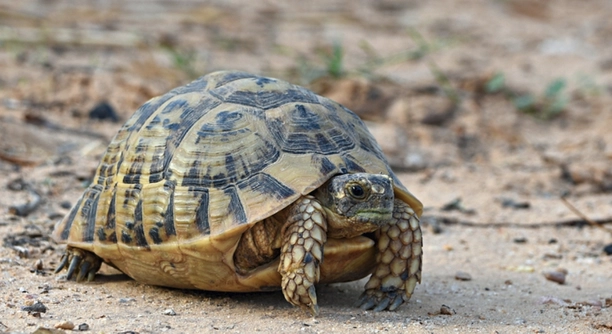
Greek tortoises are wonderful pets, but their habitat plays a major role in their health. Sometimes, even small changes to their environment can cause stress. It’s important to understand how habitat adjustments can affect them.
Habitat changes that stress a Greek tortoise often involve temperature, humidity, lighting, and space. These factors can disrupt their natural behaviors and lead to health issues. Providing a consistent, suitable environment helps ensure their comfort and well-being.
Making the right adjustments to their habitat can reduce stress and improve their quality of life. Let’s take a look at these habitat changes and how you can fix them.
1. Temperature Fluctuations
Temperature is one of the most crucial aspects of a Greek tortoise’s habitat. These reptiles are native to warm climates and require a stable temperature range to stay healthy. Significant temperature changes, either too hot or too cold, can cause stress. If the temperature in their enclosure fluctuates, your tortoise may become lethargic or even stop eating.
A consistent temperature should be maintained between 75°F and 85°F during the day, with a warmer basking area reaching up to 95°F. At night, the temperature can drop to around 70°F. Using a thermometer inside the enclosure ensures the right conditions are met.
If you notice that the temperatures are not stable, try adding heat lamps or ceramic heaters to regulate warmth. Make sure the temperature doesn’t get too high during summer months, as it can be harmful to them. Regularly check your setup to keep their habitat at the ideal temperature.
2. Humidity Levels
Humidity is just as important as temperature. Greek tortoises need dry environments to thrive, but too little humidity can cause skin problems and dehydration. On the other hand, too much moisture can lead to respiratory issues. The ideal humidity level for a Greek tortoise should be between 40% and 60%.
To control humidity, avoid misting the enclosure too often. Instead, ensure proper ventilation while still maintaining moisture levels. If you notice the humidity rising too much, increase airflow with fans or ventilation holes. A hygrometer is a helpful tool for tracking humidity.
Finding a balance with humidity is key to keeping your tortoise comfortable. By adjusting the enclosure’s ventilation or moisture level, you can prevent unnecessary stress.
3. Lighting Issues
Lighting is essential for a Greek tortoise’s overall health. They require UVB light to synthesize vitamin D3, which helps them absorb calcium. Without the proper lighting, your tortoise could experience shell deformities, weakened bones, and even a weakened immune system.
UVB light should be provided for 10-12 hours daily. Fluorescent UVB bulbs are a good option and should be replaced every 6 months to ensure they remain effective. Position the light source close to the basking area but ensure it doesn’t overheat the space. Too much direct light can cause stress, while too little can result in health issues.
Proper lighting isn’t just about providing UVB light. You also need to make sure the basking area is bright and warm. This allows your tortoise to absorb heat and UVB rays, mimicking its natural environment.
4. Space Constraints
A cramped living space can cause a lot of stress for a Greek tortoise. These reptiles are accustomed to roaming and exploring larger areas in the wild. Restricting their movement can lead to frustration, affecting both their behavior and health.
The minimum size for an adult Greek tortoise’s enclosure should be 4 feet long by 2 feet wide. If possible, a larger space with plenty of hiding spots will help them feel secure. Inadequate space can lead to repetitive behaviors like pacing or excessive digging, which are signs of stress.
When creating their space, avoid overcrowding. Providing them with areas to explore will mimic their natural habitat and give them a chance to exercise. A spacious and enriched environment helps your tortoise feel comfortable and reduces stress.
5. Substrate Problems
Choosing the wrong substrate can lead to discomfort for your Greek tortoise. Materials like sand or gravel may cause impaction if ingested, while wet substrates can lead to skin issues.
Use safe options like coconut coir, grass hay, or a mix of topsoil. These are natural and safe, reducing the risk of injury or illness.
Ensure the substrate is deep enough for your tortoise to dig comfortably. Shredded paper or pine shavings should be avoided as they can cause respiratory issues. Choose a substrate that supports natural behaviors while keeping your tortoise’s environment clean and safe.
6. Uncomfortable Hiding Spots
Tortoises need places to hide and feel secure, especially when stressed or after eating. Lack of hiding spots can make them feel exposed and uneasy.
Provide small hides, tunnels, or shaded areas where they can retreat. These spots should be dry, clean, and placed away from the basking area to create a sense of privacy.
A tortoise will benefit from these safe spaces, helping them feel secure and reducing stress. This also helps them rest properly, as they feel safer in their surroundings. Make sure the hiding areas are easy to access and maintain.
7. Lack of Proper Diet
The right diet is crucial for your Greek tortoise’s health. A diet that is too rich in protein or high in sugar can lead to obesity or kidney problems. The best diet is high in fiber and low in fat.
Offer a variety of leafy greens like dandelion greens, kale, and collard greens. Avoid feeding too many fruits or processed foods. Consistent feeding of fresh, high-quality vegetables ensures your tortoise remains healthy and active.
Providing a balanced diet promotes long-term health and reduces stress. If you notice signs of weight gain or poor health, adjust the diet and consult a vet.
FAQ
How can I tell if my Greek tortoise is stressed?
Signs of stress in Greek tortoises can include lethargy, lack of appetite, excessive digging, or pacing. You may also notice that they become more aggressive or withdraw into their shell. Stress can stem from improper habitat conditions, such as temperature fluctuations or inadequate lighting. If you observe these behaviors, check the temperature, humidity, and overall environment. Providing a stable, safe space and a proper diet can help alleviate stress.
What’s the ideal humidity level for a Greek tortoise’s habitat?
Greek tortoises thrive in dry environments with humidity levels between 40% and 60%. Too much moisture can lead to respiratory issues or shell problems, while too little humidity can cause dehydration. You can control humidity by ensuring proper ventilation and limiting misting. Keep an eye on the hygrometer to ensure you maintain a healthy balance in their enclosure.
How much space do Greek tortoises need?
Greek tortoises need a large, spacious environment to thrive. The minimum size for an adult tortoise’s enclosure is 4 feet long by 2 feet wide, but a larger area is even better. The more space they have, the more natural behaviors they can exhibit. If possible, set up an outdoor enclosure during warmer months. Make sure to provide plenty of places to hide and explore. Overcrowding can lead to stress, so always make sure there’s enough room for them to move around comfortably.
Can Greek tortoises live together?
It’s generally not recommended to house multiple male Greek tortoises together, as they can become territorial and aggressive. However, females can usually live together peacefully as long as their environment allows enough space. It’s important to monitor their behavior and ensure they have separate hiding spots and basking areas. If you plan on introducing a new tortoise to an existing one, do so gradually to avoid stress or conflict.
What is the best diet for a Greek tortoise?
Greek tortoises are herbivores and need a diet rich in fiber and low in protein. They should eat a variety of leafy greens such as dandelion greens, kale, and collard greens. You can also offer edible flowers like hibiscus and roses. Limit fruits as they are high in sugar, which can lead to obesity or kidney problems. Avoid processed foods or foods that are too high in fat. Regularly offer fresh, clean water in a shallow dish for hydration.
How can I keep my Greek tortoise warm in colder weather?
In colder weather, you may need to provide additional heat sources for your Greek tortoise. You can use heat lamps or ceramic heat emitters that don’t emit light but provide warmth. Make sure to maintain a warm basking area between 90°F and 95°F, with the cooler areas staying around 75°F to 80°F. If your tortoise is kept outside, be sure to bring it indoors during colder months or provide a heated shelter to ensure it stays comfortable.
Is it okay to let my Greek tortoise roam outside?
Yes, letting your Greek tortoise roam outside is a great way to provide enrichment and exercise, but there are some precautions to keep in mind. Ensure that the outdoor space is secure, free of predators, and provides access to shade. The temperature should be within the ideal range, and you must monitor humidity levels to prevent dehydration. When it’s too cold outside, it’s best to keep them inside. Always supervise your tortoise when outside to prevent accidents or escapes.
How can I clean my Greek tortoise’s enclosure?
Keeping the enclosure clean is essential for your tortoise’s health. Clean their habitat at least once a week by removing any waste, old food, and debris. You can spot clean daily, especially in areas where they eat or sleep. Disinfect the enclosure every few months using a reptile-safe cleaner. Replace the substrate when it becomes soiled or starts to smell. Be sure to thoroughly wash your hands after cleaning to prevent the spread of bacteria.
How do I provide UVB light for my Greek tortoise?
UVB light is vital for a Greek tortoise to synthesize vitamin D3, which helps them absorb calcium. You can use fluorescent UVB bulbs that cover a large area of their enclosure. Make sure the light source is no more than 12 inches above the basking area to ensure they receive the full benefit. Replace the bulb every 6 months, even if it still works, as UVB output decreases over time. Ensure the light is on for 10-12 hours each day, mimicking the natural day-night cycle.
Can I feed my Greek tortoise fruits?
Greek tortoises can have fruits, but they should only be offered occasionally. Fruits are high in sugar and can lead to obesity or digestive issues if fed too frequently. Offer small amounts of fruit like strawberries, apples, or melon as treats. Make sure to remove any uneaten fruit from the enclosure to avoid mold or bacteria buildup. Focus on leafy greens and other high-fiber, low-protein foods for the majority of their diet.
What is the best substrate for a Greek tortoise?
The best substrate for a Greek tortoise is one that mimics their natural environment. Safe options include coconut coir, grass hay, or a mix of topsoil. Avoid substrates like sand or gravel, as they can cause impaction if ingested. Wet substrates should also be avoided, as they can lead to skin issues or fungal growth. Ensure the substrate is deep enough for your tortoise to dig and burrow, providing enrichment and exercise. Regularly clean and replace the substrate to maintain a healthy environment.
How often should I feed my Greek tortoise?
Feed your Greek tortoise daily, providing a variety of fresh, leafy greens and other suitable vegetables. Adjust the portions based on their age, size, and activity level. Juveniles require more food than adults, as they are growing rapidly. Adult tortoises typically eat less but should still have access to fresh food daily. Monitor their weight to ensure they are getting the right amount of food and adjust as necessary.
Can my Greek tortoise overheat?
Yes, Greek tortoises can overheat if exposed to high temperatures for too long. This is why it’s crucial to maintain a proper temperature gradient in their enclosure. Provide a warm basking area, but ensure that the rest of the space allows them to cool off if needed. Never let the basking area exceed 95°F, as this could cause heat stress. If your tortoise shows signs of overheating, like panting or lethargy, remove it from the heat source immediately and provide a cooler environment.
Final Thoughts
Taking care of a Greek tortoise requires attention to detail and a good understanding of their habitat needs. Stress in these tortoises can stem from environmental factors like improper humidity, temperature imbalances, or inadequate space. Ensuring your tortoise’s habitat is properly set up and maintained is the key to avoiding these issues. Whether it’s through providing a warm basking spot or ensuring they have plenty of space to roam, these changes can greatly improve their well-being. Making sure they have a varied, healthy diet and access to the right lighting and heat will also help keep them happy and healthy.
While it’s important to meet all of a Greek tortoise’s basic needs, it’s equally important to stay observant. Monitoring their behavior closely will help you spot any signs of stress or discomfort early on. Small changes in their environment or routine can lead to bigger issues if not addressed. Regularly check the temperature, humidity, and food offered to them, and make sure they have safe places to hide and explore. By creating a stress-free environment, your tortoise will have a better chance of thriving.
In the end, keeping a Greek tortoise happy involves more than just providing the right habitat. It’s about understanding their natural instincts and needs. By following the guidelines outlined, you can ensure your tortoise enjoys a comfortable and enriching life. Stress-free tortoises are more likely to be active, healthy, and engage in natural behaviors. With some effort and attention, you can provide a stable environment that helps your tortoise live its best life.

Hello,
If you enjoy the content that we create, please consider saying a "Thank You!" by leaving a tip.
Every little bit helps us continue crafting quality advice that supports the health, happiness, and well-being of pets around the world, for pets of all shapes, sizes, and species.
We really appreciate the kindness and support that you show us!