
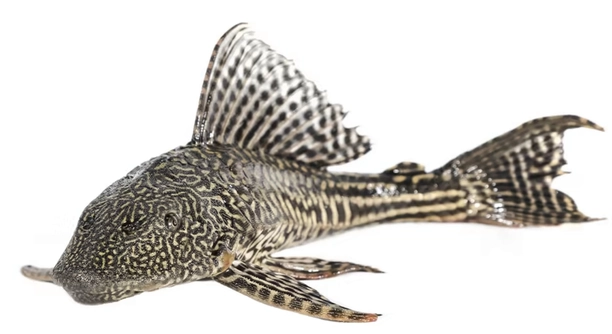
Plecos are a popular choice for freshwater aquariums due to their ability to help keep tanks clean. Small aquarium owners often wonder which pleco species are best suited for their space and environment. There are several options to consider.
The best starter plecos for small aquariums are those that remain small in size and are adaptable to a variety of water conditions. Species like the Bristlenose Pleco, Clown Pleco, and Rubber Lip Pleco thrive in confined spaces while offering excellent algae control.
Choosing the right pleco can be rewarding for both beginners and experienced aquarists. This article will explore top pleco species that are ideal for smaller tanks, ensuring a healthy, balanced aquarium environment.
Bristlenose Pleco: A Popular Choice for Small Tanks
The Bristlenose Pleco is one of the most popular plecos for small aquariums. It’s known for its compact size, usually growing to about 4 to 5 inches long. This makes it ideal for tanks that are under 30 gallons. Despite its small stature, it does an excellent job of keeping algae growth in check. The Bristlenose Pleco has a peaceful temperament, which makes it easy to house with other fish. Its unique appearance, with bristle-like appendages on the male’s snout, also adds a touch of character to your tank.
If you’re looking for an algae-eater that doesn’t require a large tank, the Bristlenose Pleco is a solid option.
While it helps clean your tank, the Bristlenose Pleco does require hiding spots. Adding some decorations or plants will ensure it feels safe and can rest when needed. This pleco also enjoys a varied diet, including sinking pellets and fresh vegetables like zucchini or cucumber. Keep its water temperature between 72-82°F for optimal health.
Rubber Lip Pleco: A Hardy Option for Smaller Spaces
The Rubber Lip Pleco is another great choice for small aquariums. Growing to about 4 to 6 inches, it’s known for its ability to thrive in a variety of water conditions. This pleco is resilient, making it ideal for beginners.
The Rubber Lip Pleco’s gentle nature allows it to coexist peacefully with other species in a tank. Unlike some other plecos, this one is less aggressive and doesn’t compete for food. It’s also a dedicated algae eater, making it a reliable choice for keeping your tank clean.
Clown Pleco: A Small and Hardy Algae Eater
The Clown Pleco stays small, typically reaching 3 to 4 inches in length. This makes it ideal for tanks under 20 gallons. It’s perfect for beginners due to its hardy nature and adaptability to various water conditions.
Clown Plecos are peaceful and enjoy hiding in caves or crevices. They are nocturnal, coming out mainly at night to feed on algae and leftover food. While they are small, they are excellent at cleaning tanks, keeping algae under control. They do well in planted tanks, where they can find both food and shelter. Their bright pattern adds a touch of beauty to any tank.
They are relatively low-maintenance, requiring little attention outside of a good filtration system. Regular water changes will help maintain the right environment. Though they prefer slightly warmer waters, they can tolerate a range of temperatures, making them versatile in most setups. The Clown Pleco’s gentle demeanor makes it a great companion for other fish.
Royal Pleco: A Majestic Addition to Smaller Aquariums
The Royal Pleco is a bit larger than the others, growing up to 8 to 10 inches, so it may require a larger tank as it matures. However, it can still be a good choice for small aquariums if housed in spacious setups.
While the Royal Pleco may need more room than the other plecos on this list, its stunning appearance and calm nature make it a popular pick. Its striking black and yellow pattern contrasts beautifully against dark aquarium substrates. Royal Plecos are active algae eaters, but they also enjoy a varied diet, including wood to chew on and fresh vegetables like spinach. This helps prevent them from becoming bored or unhealthy.
Though they need more space, Royal Plecos are generally peaceful and won’t disrupt other tank inhabitants. Their need for wood in their diet also helps prevent tank damage as they seek to fulfill their natural chewing instincts. With proper care, these plecos can thrive in smaller tanks, making them a great option for those who want a unique yet manageable fish.
Dwarf Pleco: Ideal for Smaller Tanks
The Dwarf Pleco is a great choice for very small aquariums, typically growing to only about 2 to 3 inches. It’s a peaceful, low-maintenance fish that doesn’t require a lot of space.
Despite its size, the Dwarf Pleco is an efficient algae eater. It will help maintain tank cleanliness by feeding on algae and detritus. These plecos are typically shy and enjoy hiding in caves or between rocks. They are best kept in a well-planted tank, where they can feel secure. Regular water changes and good filtration are important to keep them healthy.
Hillstream Loach: A Unique Pleco Alternative
Hillstream Loaches are another small option that resembles plecos but offers a different dynamic to your tank. These fish thrive in tanks with fast-moving water, making them an interesting alternative to traditional plecos.
They are perfect for tanks with water currents, as they prefer fast-flowing environments. Hillstream Loaches are small, growing to about 2 to 3 inches, and are excellent at eating algae. Their flat bodies allow them to stick to rocks, mimicking pleco behavior. However, they need a more specialized setup with moving water and a cooler temperature range, making them slightly more challenging for beginners.
Twig Catfish: A Hidden Gem for Small Aquariums
The Twig Catfish is a small, unique fish that can grow to about 4 inches long. They are peaceful, low-maintenance, and excellent at eating algae.
FAQ
What size aquarium is best for starter plecos?
Starter plecos generally do well in aquariums ranging from 20 to 40 gallons. Smaller species like the Bristlenose Pleco or Dwarf Pleco can thrive in tanks as small as 10 gallons, but larger plecos, such as the Royal Pleco, will need more space. Make sure the tank provides plenty of hiding spots and some room for the pleco to swim and feed.
Do plecos need a heater in the tank?
Yes, most plecos prefer warm water, typically between 72°F and 82°F. A heater is usually necessary to maintain a stable temperature, especially if you live in a cooler climate. Consistent water temperature helps plecos remain healthy and active.
How often should I feed my pleco?
Plecos are generally easy to feed. They can eat once a day, with a variety of foods like algae wafers, sinking pellets, and fresh vegetables. Supplementing their diet with algae will help them stay healthy. It’s important not to overfeed to prevent water contamination.
Can plecos live with other fish?
Yes, plecos are peaceful creatures and can live with most other fish, especially those of similar size. They are usually bottom dwellers, so they won’t compete much for space with top or mid-water fish. However, larger plecos may sometimes show aggression if space is limited, so it’s best to choose compatible species.
What do I do if my pleco is not eating?
If your pleco stops eating, it could be stressed, unwell, or not happy with the food offered. Try offering different types of food, such as zucchini, cucumber, or algae wafers. Make sure the water parameters (pH, temperature, and ammonia levels) are within acceptable ranges. Stress from a tank mate or a dirty tank could also cause feeding problems.
How long do plecos live?
Plecos can live anywhere from 10 to 20 years, depending on the species and tank conditions. Smaller plecos, like the Bristlenose, typically live for around 10 to 15 years, while larger plecos, such as the Royal Pleco, may live closer to 20 years. Providing proper care will help ensure a long, healthy life.
Do plecos need special water conditions?
Most plecos are adaptable to a variety of water conditions, but some species do have specific needs. For example, Bristlenose Plecos and Rubber Lip Plecos can tolerate slightly lower pH and harder water. Others, like the Royal Pleco, prefer softer, more acidic water. Regular water changes and a good filtration system will help maintain water quality and keep your pleco healthy.
Can I have more than one pleco in my tank?
You can have multiple plecos in a tank, but it’s essential to consider the space available and the species. Many plecos are territorial, and keeping more than one in a small tank could lead to aggression. If you choose multiple plecos, make sure your tank is large enough to provide enough hiding spaces for each fish.
What other fish can I keep with plecos?
Plecos can live with many peaceful fish species, such as tetras, guppies, or rasboras. Avoid aggressive or fin-nipping fish, as they could cause stress. Smaller plecos, such as the Dwarf Pleco, work well with smaller community fish, while larger plecos might need to be housed with larger tank mates.
How do I know if my pleco is healthy?
A healthy pleco will be active and have a good appetite. It should have clear eyes, healthy skin, and show no signs of injury or disease. If the pleco seems lethargic, is not eating, or shows physical changes like discoloration, it could be sick. Regular water checks and keeping the tank clean are key to preventing health issues.
Do plecos require frequent water changes?
Yes, plecos are messy eaters, and regular water changes are important to keep the tank clean. In general, aim for a water change of 25-30% every week or biweekly, depending on tank size and fish load. Regular maintenance ensures the pleco stays in a healthy environment.
Why is my pleco hiding all the time?
Hiding is normal behavior for plecos, especially if they are newly introduced to a tank or if they are stressed. Plecos prefer dark, secure spots where they can rest. However, if the pleco hides constantly, it could indicate water quality issues, stress from tank mates, or illness. Ensure the tank has plenty of hiding spots and that the water is well-maintained.
Can I breed plecos in a small tank?
Breeding plecos in a small tank is possible but can be challenging, especially if there isn’t enough space for the male to create a nesting area. Breeding plecos, particularly species like the Bristlenose, often involves the male building a cave or crevice for the female to lay eggs in. Larger tanks with proper water conditions will increase the chances of successful breeding.
Are plecos easy to care for?
Plecos are generally low-maintenance, but like all fish, they require proper care. Regular water changes, a varied diet, and maintaining stable water conditions are crucial for their health. While plecos are hardy, they do require attention to water quality and the proper tank environment.
Can plecos live without wood?
Some plecos, like the Royal Pleco, need wood in their diet for proper digestion. Wood provides essential nutrients that plecos naturally require, and they may become stressed or unhealthy without it. However, not all plecos need wood, so it depends on the species. Always check the specific needs of the pleco species you keep.
What should I do if my pleco is getting too big for my tank?
If your pleco outgrows your tank, it’s best to either upgrade to a larger tank or consider rehoming the pleco to a more suitable space. Larger plecos, like the Royal Pleco, can reach up to 10 inches or more, so a spacious tank is necessary to accommodate them properly.
Final Thoughts
When choosing a pleco for your small aquarium, it’s important to consider the size of the tank and the species of pleco that will thrive in it. Plecos come in a variety of sizes and care requirements, so understanding your tank’s limitations and the specific needs of different plecos is key. For example, smaller species like the Bristlenose or Dwarf Pleco are well-suited for tanks under 30 gallons, while larger species may need more space to swim and grow comfortably. Carefully researching each species will help you pick the right pleco that matches your tank’s environment and size.
In addition to selecting the right pleco, maintaining a clean and stable environment is crucial for their well-being. Plecos are bottom dwellers and help keep your tank clean by eating algae, but they can also contribute to waste, so regular water changes and good filtration are essential. You also need to provide hiding spots and natural decorations, like rocks or driftwood, where they can rest and feel secure. Plecos are generally peaceful, but they do need a safe, quiet place to call their own. By maintaining good water quality and creating a comfortable environment, your pleco can thrive for years to come.
Finally, although plecos are hardy fish, it’s important to remember that they do have specific care needs. Whether it’s the temperature range, water hardness, or feeding habits, understanding and meeting these needs will help ensure your pleco stays healthy. It’s also a good idea to keep an eye on any changes in behavior or appearance, as these could be signs of stress or illness. Regular monitoring of water conditions, along with proper feeding and tank maintenance, will help create a healthy environment where your pleco can live happily.

Hello,
If you enjoy the content that we create, please consider saying a "Thank You!" by leaving a tip.
Every little bit helps us continue crafting quality advice that supports the health, happiness, and well-being of pets around the world, for pets of all shapes, sizes, and species.
We really appreciate the kindness and support that you show us!