
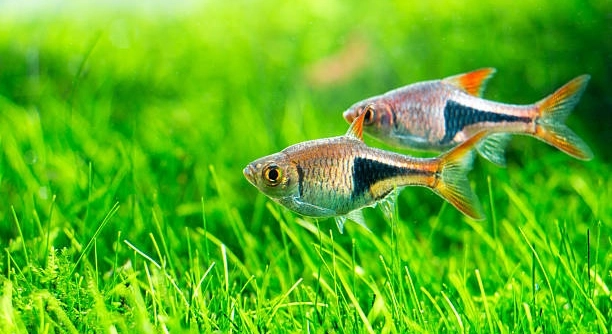
Keeping a group of rasboras small can feel manageable, but it often limits their natural behavior. These small fish thrive in social settings, and observing them interact can bring more life to your aquarium daily.
Increasing the size of a rasbora group improves their overall wellbeing, reduces stress, and encourages natural schooling behavior. Larger groups also create a visually appealing display, promote social interaction, and strengthen the fish’s immune response.
A healthy, lively group of rasboras can transform any tank, making their environment more dynamic and enjoyable for both the fish and the keeper.
Better Social Interaction
Rasboras are naturally schooling fish, and their social behavior becomes more apparent in larger groups. In a small group, they may appear timid or withdrawn, often hiding in corners or staying near decorations. By increasing the group size, each fish feels safer, and their interactions become more dynamic. You can see them swim together in synchrony, chase each other gently, and explore the tank more confidently. Social stress is reduced because they have companions to mimic and follow, which encourages natural behaviors. Observing these interactions is rewarding, as you notice subtle differences in movement, personality, and hierarchy within the group. Larger groups also tend to be more active throughout the day, which adds constant motion to the tank. This activity helps maintain a healthier environment by promoting water circulation. Overall, a bigger group of rasboras results in a happier, more natural display.
A larger group encourages schooling, reduces stress, and allows the fish to behave naturally, making the tank livelier and healthier.
Watching a bigger group interact provides insight into their personalities. Some rasboras lead, others follow, and a few playfully dart around. Their movement becomes synchronized, creating a fluid, almost hypnotic effect in the tank. You’ll notice patterns forming as they swim in circles, cluster around plants, or hover near the surface. The more fish there are, the richer the display and the more balanced their interactions become. This dynamic makes the aquarium feel alive and helps the fish feel secure, creating a natural rhythm that smaller groups rarely achieve.
Improved Stress Levels
Smaller groups can feel isolated and anxious, whereas larger groups provide a sense of safety and comfort.
Stress in rasboras affects health, appetite, and color vibrancy. In small groups, fish may hide constantly, skip meals, or show dull coloring due to fear or lack of social stimulation. A larger group spreads attention across more companions, reducing aggression and competition over space or food. Schooling together in numbers also triggers natural instincts that encourage movement, exploration, and confidence. Over time, these behaviors strengthen the immune system and reduce susceptibility to common diseases. For aquariums with plants and decorations, bigger groups utilize space more evenly, preventing any single fish from becoming territorial or stressed. Fishkeepers often notice that rasboras in larger schools display brighter colors and more energetic swimming patterns. Maintaining proper group size is a simple step toward ensuring long-term health and creating an environment that closely mimics their natural habitat. Consistent observation helps detect minor stress signs early, allowing adjustments to group size or tank conditions before problems arise.
Enhanced Tank Aesthetics
A larger group of rasboras creates movement and color, making the aquarium more visually appealing. Their synchronized swimming adds depth and rhythm, transforming even a simple tank into a lively, dynamic display that feels natural and engaging.
Watching the group in motion shows patterns and harmony that smaller numbers rarely achieve. They weave between plants, glide past rocks, and hover near the surface together. These movements make the tank feel balanced and full of life. The collective behavior of a school highlights their natural beauty, from subtle color variations to the way light reflects off their scales. A larger group creates continuous activity, keeping the tank interesting and dynamic at all times.
Even minor adjustments in tank layout become more noticeable with a larger school. Decorations, plants, and open spaces interact with the fish differently, emphasizing motion and depth. The more fish there are, the more their schooling enhances the aesthetic appeal, turning ordinary aquariums into captivating displays. Watching the group move together creates a sense of cohesion, making the tank feel complete and lively without requiring constant rearrangement.
Better Feeding Dynamics
Feeding becomes more balanced in larger groups, reducing competition and aggression.
In small groups, dominant rasboras may chase others away from food, leaving timid fish underfed. A larger school spreads attention across more fish, encouraging simultaneous feeding and reducing stress during mealtime. With more mouths, the distribution of food improves, preventing individual fish from becoming overly aggressive. Feeding in numbers also stimulates natural foraging behavior, as the group moves through plants and substrate while searching for flakes or pellets. Observing their synchronized approach to feeding is rewarding, as it reflects their social instincts and ensures all fish receive adequate nutrition.
Large groups encourage interaction during feeding, making the process more dynamic and lively. The fish coordinate movements, swimming together toward food and occasionally darting around before settling. This activity strengthens social bonds and promotes exercise while reducing boredom. A bigger school ensures food reaches all individuals, preventing weaker or shy fish from being excluded. Over time, feeding in larger groups helps maintain healthy growth rates and vibrant colors, as each fish benefits from reduced stress and more consistent nutrition. It also provides opportunities to notice differences in appetite or health among individuals, allowing timely intervention if needed.
Reduced Aggression
Larger groups help diffuse aggressive behavior among rasboras. No single fish dominates, and conflicts are minimized. The presence of more companions spreads attention, keeping interactions balanced and reducing territorial disputes.
When aggression occurs, it is brief and less harmful. Fish in bigger schools redirect energy toward swimming and social interaction rather than chasing or nipping, creating a calmer environment for everyone.
Healthier Immune System
A larger group promotes overall health. Social interaction and regular movement stimulate natural behavior, which strengthens the immune system. Stress reduction from companionship also lowers vulnerability to common diseases, making the fish more resilient. Healthy, active rasboras maintain brighter colors and grow more consistently in a supportive group environment.
Natural Behavior Expression
Increasing group size allows rasboras to display authentic schooling patterns. They swim in coordinated formations, explore the tank thoroughly, and respond to changes collectively, which mirrors their behavior in the wild. This expression of natural instincts contributes to a balanced and enriching aquarium environment.
How many rasboras should I keep together?
Rasboras are schooling fish and feel safest in groups of at least six. Smaller numbers can lead to stress, hiding, and less natural behavior. Ideally, keeping eight to twelve or more creates a lively school, improves social interaction, and allows their swimming patterns to look natural and fluid.
Will a larger group need a bigger tank?
Yes, as you increase the number of rasboras, more space is necessary to prevent overcrowding. Overcrowding can lead to stress, aggression, and poor water quality. A 20-gallon tank is a good minimum for small schools, but larger groups benefit from 30 gallons or more to maintain healthy water conditions and allow free swimming.
Do rasboras become less stressed in bigger groups?
Absolutely. Stress in fish is often caused by isolation or being the target of aggression. In larger groups, attention is spread among many individuals, creating a sense of security. This leads to calmer behavior, better appetite, brighter colors, and stronger immunity, helping the fish thrive over time.
How does group size affect feeding?
In smaller groups, dominant fish may chase away others, leaving timid individuals underfed. Larger groups distribute food more evenly. Fish forage together, and feeding becomes a coordinated, lively activity. Observing their synchronized movement toward flakes or pellets is satisfying and ensures every fish receives adequate nutrition.
Can rasboras display natural schooling behavior in small groups?
Not fully. Schooling requires numbers. In groups smaller than six, fish may struggle to maintain coordinated swimming or appear hesitant and shy. Larger schools show dynamic formations, synchronized turns, and collective movement, reflecting their instinctive patterns in nature and providing a visually appealing display.
Will larger groups improve tank aesthetics?
Yes. A bigger school creates constant motion, color variation, and depth. Watching coordinated swimming through plants and around decorations is captivating. Small groups often look sparse, and the tank may feel static. Larger groups fill the space naturally, making the aquarium feel alive and balanced without extra decorations.
How do larger groups influence water quality management?
More fish produce more waste, so regular maintenance is essential. Frequent water changes, monitoring ammonia and nitrate levels, and using proper filtration become critical with bigger groups. While larger schools improve social behavior, keeping water clean ensures health and prevents stress or disease caused by poor water conditions.
Do larger schools affect breeding behavior?
Yes. Rasboras breed more successfully in groups. The presence of multiple males and females stimulates natural courtship, reduces aggression, and encourages spawning. Larger schools create a comfortable, social environment that supports reproductive behavior, improving chances for successful egg-laying and healthy fry development.
Is it safe to mix rasboras with other fish in larger groups?
Generally, yes. Rasboras are peaceful and do well with other non-aggressive species. A larger group gives them confidence, making them less likely to hide or be stressed by tankmates. Avoid aggressive or very large fish that might see them as prey to maintain harmony and safety in the aquarium.
How often should I monitor behavior in large schools?
Daily observation is ideal. Look for changes in swimming patterns, color, or feeding response. Even in large groups, individual fish may become stressed or sick. Catching early signs ensures timely intervention. Monitoring helps maintain a balanced environment, promotes health, and allows the group to thrive naturally.
Can group size affect lifespan?
Yes, stress and social environment directly influence lifespan. Rasboras in small, isolated groups often live shorter, less healthy lives due to stress and lack of social stimulation. Larger groups encourage activity, natural behavior, and reduce stress, all of which contribute to longer, healthier lives in captivity.
What is the best way to add more rasboras to an existing group?
Introduce new fish gradually. Acclimate them slowly to tank conditions and monitor interactions. Adding one or two at a time reduces stress for both existing and new fish. Ensure the tank is large enough and provide hiding spots to minimize conflict and allow the school to integrate smoothly.
How does group size affect personality expression?
Individual personalities are more visible in larger schools. Some fish lead, some follow, and a few may explore independently. These dynamics emerge only in groups large enough to allow interactions. Watching these subtle differences adds enjoyment and insight into their social behavior.
Do larger groups require special decorations?
Not necessarily. Dense plants, open swimming space, and hiding spots are ideal, but the primary focus should be on enough room for the school to move freely. Decorations should enhance exploration, not restrict swimming. Large groups naturally use space efficiently, creating a balanced and engaging aquarium environment.
Can a larger group reduce disease outbreaks?
Indirectly, yes. Healthy social interaction reduces stress, which strengthens the immune system. Stress-free fish are less susceptible to illness. Proper maintenance is still essential, but a well-sized group with clean water and balanced feeding has lower risks of disease compared to small, stressed populations.
Increasing the group size of your rasboras can make a noticeable difference in both their behavior and the overall atmosphere of your aquarium. Small groups often struggle to display natural schooling patterns, leaving the fish shy, withdrawn, or inactive. When you add more individuals, they feel safer and more confident. The presence of multiple companions encourages them to swim together, explore the tank, and interact more actively. These social behaviors are important for their mental and physical health, helping reduce stress, aggression, and fear. Over time, larger groups create a lively environment that feels balanced and natural, reflecting how rasboras would behave in their native habitats. This isn’t just about aesthetics—the benefits extend to their well-being, feeding habits, and overall happiness in the aquarium.
A larger group also positively impacts feeding and nutrition. In smaller schools, dominant individuals can chase away others during mealtime, leaving timid fish underfed. When the group is larger, food distribution becomes more even, and every fish gets a chance to eat. Feeding together encourages natural foraging behavior and keeps the fish active and engaged. Observing a bigger group swim toward food in unison or dart around while exploring the tank creates a sense of rhythm and harmony. It also allows you to notice any irregularities in appetite or health quickly. Regular observation of a larger school makes it easier to identify fish that may need extra attention, which helps maintain a healthy tank environment and reduces the risk of illness.
Beyond feeding and behavior, a larger group of rasboras contributes to the long-term health and vibrancy of the fish. Stress is one of the main factors that can affect immune function, growth, and coloration. Fish in larger groups tend to be calmer, more active, and more colorful. Their natural behaviors, such as schooling and coordinated swimming, provide mental stimulation and physical exercise, strengthening their immune systems. The overall tank environment benefits as well, since active fish help maintain water movement and interact with plants and decorations in ways that create a dynamic and visually pleasing display. By increasing group size, you create an environment where the fish can thrive naturally, promoting longevity, happiness, and a sense of vitality throughout the aquarium.

Hello,
If you enjoy the content that we create, please consider saying a "Thank You!" by leaving a tip.
Every little bit helps us continue crafting quality advice that supports the health, happiness, and well-being of pets around the world, for pets of all shapes, sizes, and species.
We really appreciate the kindness and support that you show us!