
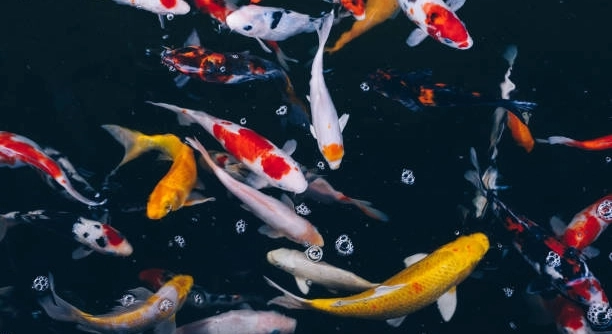
Koi fish owners often look for ways to improve their pets’ diet beyond standard commercial food. Traditional koi food may not always meet all nutritional needs or suit every pond environment. Exploring alternatives can enhance koi health and vitality.
Several good alternatives to traditional koi food include natural options such as fresh vegetables, fruits, live or frozen insects, and aquatic plants. These alternatives provide varied nutrients, support natural feeding behavior, and can improve water quality when used appropriately.
These options offer koi owners practical choices to diversify their fish’s diet while promoting overall well-being and a balanced aquatic environment.
Fresh Vegetables and Fruits for Koi
Fresh vegetables and fruits can be excellent supplements to traditional koi food. Vegetables like peas, lettuce, and spinach offer essential vitamins and fiber that support digestion. Fruits such as watermelon and oranges provide hydration and natural sugars for energy. These foods are easy to prepare—just chop them into small, manageable pieces before feeding. It is important to introduce them gradually to avoid upsetting your koi’s digestive system. Also, avoid overfeeding, as leftover food can pollute the pond water and harm your fish.
Adding fresh produce increases dietary variety, which can improve koi health and coloration. Seasonal availability may affect what you can offer, so choose options that are fresh and pesticide-free. Preparing these foods at home ensures quality and safety, helping maintain a clean and balanced pond environment.
Using fresh vegetables and fruits not only benefits your koi’s diet but also encourages natural foraging behaviors. This variety supports their immune system and reduces dependency on processed pellets, leading to healthier and more active fish overall.
Live and Frozen Insects
Live and frozen insects offer protein-rich nutrition that closely mimics what koi would find in natural habitats. Bloodworms, daphnia, and brine shrimp are popular choices. These provide essential amino acids and promote healthy growth.
Insects help maintain koi’s natural instincts while diversifying their diet. Including live or frozen insects can boost their energy and vitality.
Feeding live or frozen insects is a great way to enhance your koi’s diet with high-quality protein. These insects are rich in nutrients vital for muscle development and immune support. They also encourage koi to exhibit natural hunting behavior, which keeps them mentally and physically stimulated. Frozen options are convenient and safe, reducing the risk of introducing parasites compared to live feed. Regularly rotating insects into their diet balances protein intake without over-reliance on commercial food. Proper storage and handling are essential to preserve insect quality and avoid contamination. This approach can lead to more vibrant, energetic koi that show improved health markers over time.
Aquatic Plants as Food
Aquatic plants such as duckweed, water lettuce, and anacharis provide a natural source of fiber and nutrients for koi. These plants grow in the pond, offering a convenient and sustainable food option. Koi nibble on the soft leaves, which aids digestion and promotes gut health. Growing aquatic plants also helps improve water quality by absorbing excess nutrients and providing shelter for pond wildlife. Including plants in the diet reduces feeding costs and supports a balanced ecosystem.
Introducing aquatic plants encourages koi to graze naturally and enhances the pond’s environment. It also reduces reliance on processed foods, fostering better long-term health.
Aquatic plants serve a dual purpose as food and natural pond filters. Their presence reduces algae growth by competing for nutrients, improving water clarity. These plants are easy to cultivate and require minimal maintenance once established. Offering them as food adds variety while promoting a healthier habitat. Koi benefit from the fiber content, which supports their digestive system and prevents constipation. Additionally, plants provide shelter and shade, reducing stress and supporting breeding. Regularly trimming and replenishing aquatic plants ensures a steady food supply and maintains pond balance. This natural feeding method complements other dietary options and contributes to overall pond health.
Homemade Koi Food Mixes
Homemade koi food mixes allow control over ingredients and nutritional balance. Common recipes use grains, vegetables, and protein sources to meet dietary needs without additives.
Creating homemade mixes involves combining ingredients like cooked peas, spirulina, fish meal, and wheat germ. These components supply protein, fiber, and essential vitamins. Adjusting ratios can target koi growth or color enhancement. Preparing small batches helps maintain freshness and prevents spoilage. Store food properly in airtight containers to preserve nutrients. Regularly feeding homemade mixes reduces dependence on commercial pellets and supports a more natural diet, benefiting koi health over time.
Homemade mixes are customizable and cost-effective. They avoid artificial preservatives and fillers found in some commercial foods. This option suits koi owners who want to ensure quality and dietary variety. Properly balanced mixes provide essential nutrients while encouraging koi to consume a varied diet. It also allows the use of locally available ingredients, reducing costs and waste.
Commercial Alternatives with Natural Ingredients
Commercial alternatives with natural ingredients focus on organic and minimally processed components. These options often use fish meal, algae, and plant-based proteins instead of synthetic additives.
Natural ingredient pellets support koi health by providing balanced nutrition in an easy-to-feed form. They typically contain fewer artificial colors and preservatives, which benefits water quality and fish well-being. These foods are formulated to enhance koi coloration, immune function, and growth without compromising the pond environment.
Choosing natural commercial foods offers convenience and quality assurance. They can be a good middle ground for owners who want natural nutrition without making food at home. These products often come with tested nutrient profiles, helping maintain koi health reliably. Selecting reputable brands ensures ingredient transparency and safety, supporting koi vitality in a sustainable way.
Algae and Spirulina
Algae and spirulina are rich in protein, vitamins, and antioxidants. They support koi immune systems and enhance their natural colors. These can be offered as supplements or mixed into other foods.
Spirulina powder or algae sheets are easy to add to the diet. They promote overall health and vitality while being a natural and sustainable food source.
Bread as Occasional Treat
Bread can be given occasionally but should not replace balanced meals. It provides quick energy but lacks essential nutrients koi need for growth and health.
Overfeeding bread may lead to poor water quality and digestive issues, so it’s best used sparingly as a treat.
Avoiding Overfeeding
Overfeeding can cause water pollution and harm koi health. Feed small portions appropriate to their size and activity level to maintain a clean pond environment.
FAQ
What are the best natural foods for koi?
The best natural foods for koi include fresh vegetables like peas and spinach, fruits such as watermelon, live or frozen insects like bloodworms, and aquatic plants such as duckweed. These options provide essential vitamins, fiber, and protein that support koi health and mimic their natural diet more closely than some commercial foods.
Can koi eat human food like bread or fruits?
Koi can eat certain human foods like bread and fruits, but these should only be offered occasionally. Bread provides quick energy but lacks necessary nutrients, and overfeeding it can cause water quality issues. Fruits like watermelon can hydrate and offer vitamins but should be given in small, manageable amounts.
How often should I feed koi with alternatives to traditional food?
Feeding frequency depends on water temperature and koi activity. In warmer months, koi eat more and can be fed two to three times a day, with alternatives included gradually. During colder months, feeding should be reduced or stopped since koi metabolism slows. Always avoid overfeeding, as leftovers can pollute the pond.
Are homemade koi food mixes better than commercial pellets?
Homemade mixes offer control over ingredients and can be tailored for specific nutritional goals, such as boosting color or growth. They avoid preservatives and fillers found in some pellets. However, commercial pellets formulated with natural ingredients offer convenience and balanced nutrition. Combining both approaches can provide the best results.
How do I safely introduce new foods to my koi?
Introduce new foods slowly by mixing small amounts with their regular diet. Observe koi behavior and digestion for any issues. Sudden diet changes can upset their digestive system. Gradual introduction allows koi to adjust and helps maintain a stable pond environment.
Can aquatic plants really improve koi health?
Yes, aquatic plants provide fiber and nutrients that aid digestion. They also contribute to pond health by absorbing excess nutrients and reducing algae growth. Growing plants like duckweed or anacharis gives koi natural grazing opportunities and adds shelter, reducing stress.
Is spirulina necessary for koi?
Spirulina is not necessary but highly beneficial. It is a rich source of protein, vitamins, and antioxidants that improve koi coloration and immune function. Adding spirulina powder to their diet occasionally can enhance overall health and vitality.
What are the risks of overfeeding koi?
Overfeeding leads to uneaten food decomposing in the water, causing ammonia spikes and poor water quality. This stresses koi, increasing susceptibility to disease. Excessive feeding can also cause obesity and digestive problems. Feeding small, controlled portions helps avoid these issues.
How do live insects benefit koi compared to pellets?
Live insects provide natural protein and stimulate hunting instincts, promoting mental and physical activity. They tend to be more nutrient-dense than some pellets and can improve koi growth and coloration. Frozen insects offer similar benefits with easier storage and less risk of parasites.
Can koi thrive on a diet without commercial food?
Koi can thrive on a varied diet that includes natural foods like vegetables, insects, and aquatic plants, but complete exclusion of commercial pellets requires careful balancing. Pellets often contain formulated vitamins and minerals that can be harder to provide consistently through natural sources alone.
What precautions should be taken when feeding homemade koi food?
Ensure ingredients are fresh and free from pesticides or harmful substances. Prepare small batches to maintain freshness and avoid spoilage. Store food properly in airtight containers. Monitor koi health and water quality regularly to detect any negative effects early.
Are there specific foods to avoid feeding koi?
Avoid foods that are high in starch or salt, moldy or spoiled items, and anything treated with chemicals. Also, do not feed koi processed human junk food or anything that might pollute the water or disrupt their digestive system.
How important is dietary variety for koi?
Dietary variety is very important as it prevents nutritional deficiencies and supports immune function. Feeding a mix of vegetables, proteins, and natural supplements helps keep koi healthy and vibrant over time.
What is the best way to store koi food alternatives?
Store dry ingredients in cool, dry, airtight containers. Fresh vegetables and fruits should be refrigerated and used quickly. Frozen insects must be kept at proper freezing temperatures until use. Proper storage maintains nutrient quality and prevents contamination.
How can I tell if my koi is getting the right nutrition?
Healthy koi display vibrant colors, active swimming, good appetite, and normal growth rates. Their scales should be smooth, and they should not show signs of illness like lethargy or sores. Monitoring water quality also reflects feeding success, as poor nutrition can affect pond conditions.
Is it necessary to supplement koi food with vitamins?
In most cases, a varied diet including fresh and natural foods provides sufficient vitamins. However, supplementation can help during certain periods like breeding or stress. Always use koi-specific supplements and follow dosing instructions carefully.
Final Thoughts
Choosing good alternatives to traditional koi food can improve the overall health and well-being of your fish. Feeding a variety of foods, such as homemade mixes, natural commercial options, and fresh vegetables, ensures koi receive balanced nutrition. These alternatives often avoid unnecessary fillers and artificial additives found in some pellets. Including natural ingredients like algae or insects helps provide essential proteins and vitamins that support immune function and growth. By diversifying their diet, koi can benefit from more complete nourishment that encourages vibrant colors and better activity levels. This approach also aligns more closely with their natural feeding habits.
It is important to introduce new foods gradually to avoid upsetting koi digestion or water quality. Overfeeding, even with the best alternatives, can lead to poor pond conditions and health problems. Small, controlled portions given regularly are best. Homemade and natural commercial foods require proper storage and preparation to maintain freshness and nutrient value. Monitoring koi behavior, growth, and pond water parameters helps identify if the diet meets their needs. This careful balance between quality, variety, and feeding amount can lead to healthier koi and a cleaner pond environment.
While commercial pellets remain a convenient option, exploring alternatives offers many benefits. Homemade food mixes provide control over ingredients, and natural commercial foods minimize artificial components. Fresh vegetables, aquatic plants, and protein sources like insects add essential nutrients. Occasional treats such as bread or fruit should be given sparingly. Paying attention to koi responses and pond conditions is key to finding the best diet. A well-rounded feeding strategy supports koi longevity, vitality, and beauty throughout the seasons.

Hello,
If you enjoy the content that we create, please consider saying a "Thank You!" by leaving a tip.
Every little bit helps us continue crafting quality advice that supports the health, happiness, and well-being of pets around the world, for pets of all shapes, sizes, and species.
We really appreciate the kindness and support that you show us!